



The Ultimate Cave Exploration Guide for Adventure Seekers
Why Cave Exploration Captivates Travelers
Geological Marvels
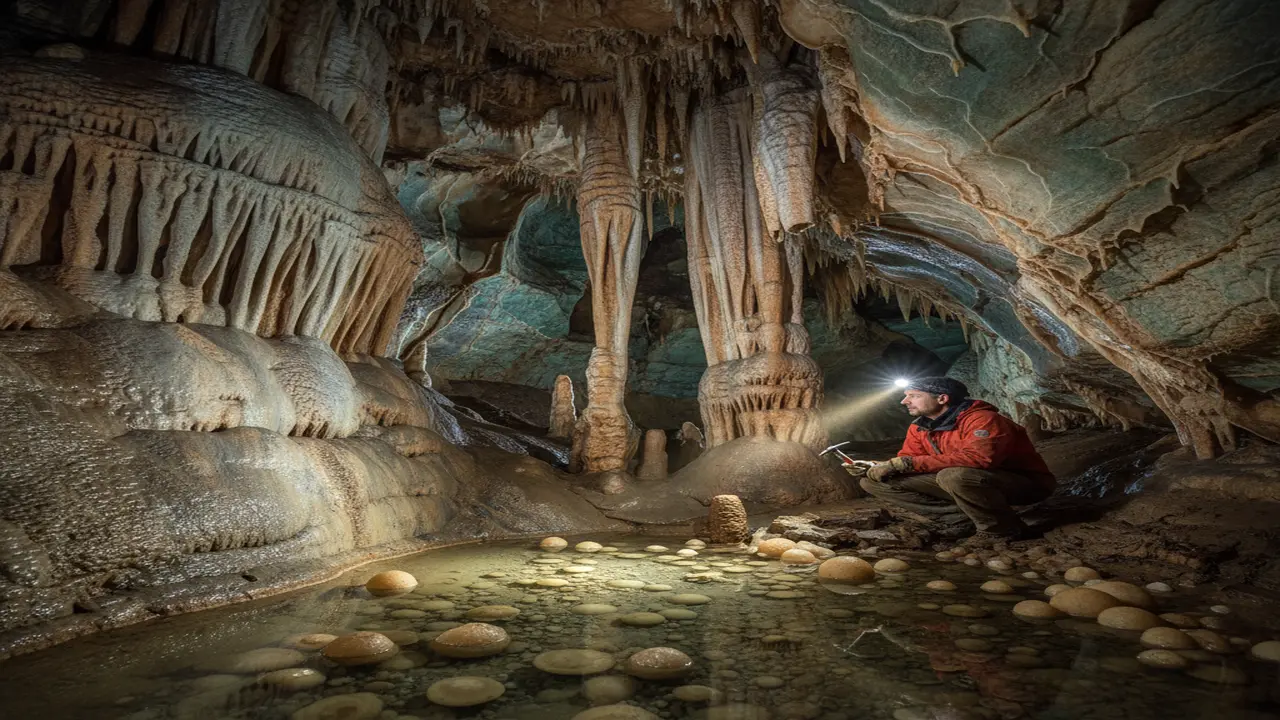
Caves act as natural archives, preserving mineral formations shaped over millions of years. Stalactites, stalagmites, flowstones, and cave pearls emerge through slow geological processes. By descending into these chambers, travelers witness rock formations that textbooks can only describe. Many caves feature dramatic columns formed when stalactites and stalagmites converge, creating awe-inspiring pillars that tower overhead. Exploring these hidden cathedrals connects you directly to Earth’s deep history.
Biodiversity Underground
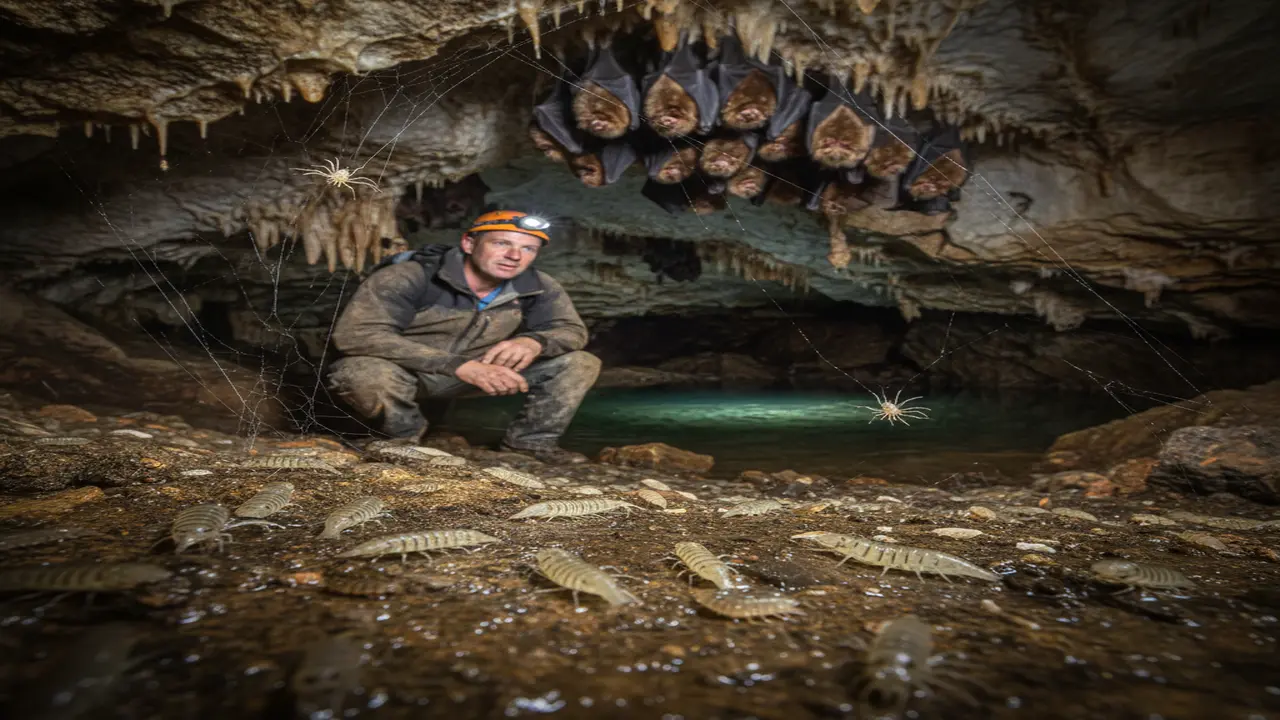
Beyond geology, caves host specialized wildlife adapted to perpetual darkness and limited resources. Troglobites—tiny creatures like blind shrimp, isopods, and unique spiders—thrive in caves. Bat colonies often roost in large chambers, playing critical roles in insect control and nutrient cycling. Observing these organisms in their natural habitat underscores the ecological importance of subterranean environments.
Essential Gear for Safe Cave Exploration
Protective Equipment
Safety begins with the right apparel. A sturdy helmet with a mountable headlamp (at least 500 lumens) shields your head from low ceilings and falling debris. Pair this with a backup light source—such as a handheld LED torch—to guard against power failures. Waterproof gloves, kneepads, and non-slip boots protect your hands, knees, and feet as you maneuver across slick rock and muddy surfaces.
Navigation and Lighting
Reliable lighting and navigation tools are vital in complex cave systems. Carry extra batteries, a spare headlamp, and chemical light sticks. Equip yourself with a compass, cave-rated map, and, if available, a handheld GPS (though signals may be weak underground). Mark your route with biodegradable flagging tape or glow sticks, ensuring you can retrace your steps in labyrinthine passages.
Top Caves Around the World for Exploration
Asia’s Hidden Wonders
Son Doong in Vietnam reigns as the world’s largest cave, complete with its own jungle and river ecosystem. Phong Nha Cave, also in Vietnam’s Phong Nha-Ke Bang National Park, offers riverboat tours beneath towering limestone walls. In New Zealand, the Waitomo Glowworm Caves glow with thousands of bioluminescent larvae, creating an otherworldly canopy of light.
Europe’s Subterranean Treasures
Italy’s Blue Grotto on Capri beckons with electric-blue waters illuminated by sunlight filtering through a sea cave entrance. Austria’s Eisriesenwelt stretches over 42 km of ice sculptures carved into limestone. In China, the Reed Flute Cave dazzles with illuminated formations that have inspired poets since the Tang Dynasty.
Americas: From Carlsbad to Cenotes
Carlsbad Caverns in New Mexico features vast limestone rooms adorned with stalactites and stalagmites. In Chile, the Marble Caves present swirling, polished walls accessible by kayak through azure waters. Mexico’s Cenote Dos Ojos allows snorkelers to explore flooded sinkholes in the Yucatán Peninsula, while Namibia’s Dragon’s Breath Cave harbors one of the world’s largest subterranean lakes.
Guided Tours vs. DIY Adventures
When to Choose Guided Tours
First-time visitors and those exploring restricted caves should opt for certified guides. Guided tours provide essential safety briefings, specialized equipment, and interpretive insights into geology and ecology. Many national parks and conservation organizations collaborate with experienced cave guides to ensure minimal environmental impact and visitor safety.
Preparing for Self-Guided Exploration
Experienced spelunkers may secure permits for unguided trips in designated areas. Self-guided explorers must carry topographic cave maps, reliable compasses, first aid kits tailored for remote rescues, and a clear communication plan. Never enter uncharted passages without thorough research and practice rope rescue techniques.
Safety Tips and Best Practices
Emergency Preparedness
Always travel in teams of at least three, and share your detailed itinerary with someone on the surface. Monitor weather forecasts vigilantly—sudden rain can transform dry shafts into deadly torrents within minutes. Familiarize yourself with CPR, hypothermia treatment, and rope rescue drills; these skills can be lifesaving in emergencies.
Conservation and Leave No Trace
Caves are fragile ecosystems. Follow Leave No Trace principles by staying on marked trails, avoiding contact with delicate formations, and packing out all waste. Sanitize gear before entering new caves to prevent the spread of white-nose syndrome among bat populations. Supporting organizations like the National Speleological Society promotes research and conservation.
Planning Your Cave Exploration Trip
Permits and Regulations
Many caves require permits or guided-tour reservations. Research local regulations through park services or government websites ahead of time. In the United States, check the US Geological Survey and National Park Service portals for updated access information and safety guidelines.
Seasonal Considerations
Dry seasons often offer safer conditions with lower flood risk, but cave temperatures remain cool year-round, averaging 10–15 °C in many regions. Dress in moisture-wicking layers and carry thermal base layers if exploring during winter months. Verify travel restrictions during rainy seasons in tropical areas, when flash flooding is common.
After the Trip: Gear Maintenance and Memories
Cleaning and Storage
Post-trip maintenance extends gear life and ensures safety. Rinse helmets, ropes, and neoprene suits with fresh water to remove mud and microbial spores. Allow equipment to air dry in a cool, ventilated area. Inspect ropes for fraying and replace batteries in headlamps before storing them.
Preserving Photographs and Data
Document your adventure through photography and notes, but avoid using bright flashes near wildlife. Store digital files and geotagged locations responsibly, ensuring confidentiality when sharing sensitive cave sites. Publishing trip logs in online forums can benefit the caving community and support future research.
Conclusion: Your Next Step in Cave Exploration
This cave exploration guide offers a roadmap to unveil Earth’s subterranean wonders, from essential equipment and safety protocols to top destinations and conservation practices. By following expert advice, respecting fragile ecosystems, and choosing the right approach—guided or self-led—you can embark on a memorable, life-changing spelunking journey. Pack your headlamp, secure your gear, and prepare to descend into the silent, shadowy world beneath our feet—adventure awaits in the dark.