





Ancestral Travel: A Comprehensive Guide
Introduction
Ancestral travel is more than a simple vacation—it’s a deeply personal journey that bridges generations, connects you to your heritage, and brings your family history to life. By tracing the footsteps of your forebears, ancestral travel empowers you to explore cultural traditions firsthand, meet distant relatives, and uncover archival evidence that transforms a static family tree into a living narrative. Whether you’re hoping to gain a stronger sense of identity or forge new bonds across continents, this comprehensive guide will help you plan, prepare, and execute a successful ancestral travel adventure.
Why Embark on Ancestral Travel?
Exploring ancestral roots through travel offers a multitude of benefits that extend beyond the typical tourist experience. From reinforcing personal identity to fostering intercultural respect, these guided genealogy journeys deliver profound rewards.
Strengthening Personal Identity
Visiting the regions where your ancestors lived can solidify feelings of belonging. Seeing the landscapes, tasting traditional foods, and hearing local dialects can turn genealogical data into vivid memories, helping you internalize your family’s legacy.
Cultural Immersion and Understanding
Ancestral travel invites practitioners to immerse themselves in local customs, festivals, and rituals still observed today. Engaging with community members and participating in ceremonies allows for genuine cultural exchange and enriches your appreciation for heritage.
Building New Family Connections
Meeting distant cousins or elders who guard oral histories often yields priceless stories, rare photographs, and unpublished documents. These personal encounters strengthen cross-generational relationships and broaden your family network internationally.
Preparing for Your Ancestral Travel Journey
A successful ancestral travel expedition hinges on meticulous preparation, including document gathering, in-depth research, and a clear itinerary. Follow these steps to lay a robust foundation for your trip.
Gathering Family Documents
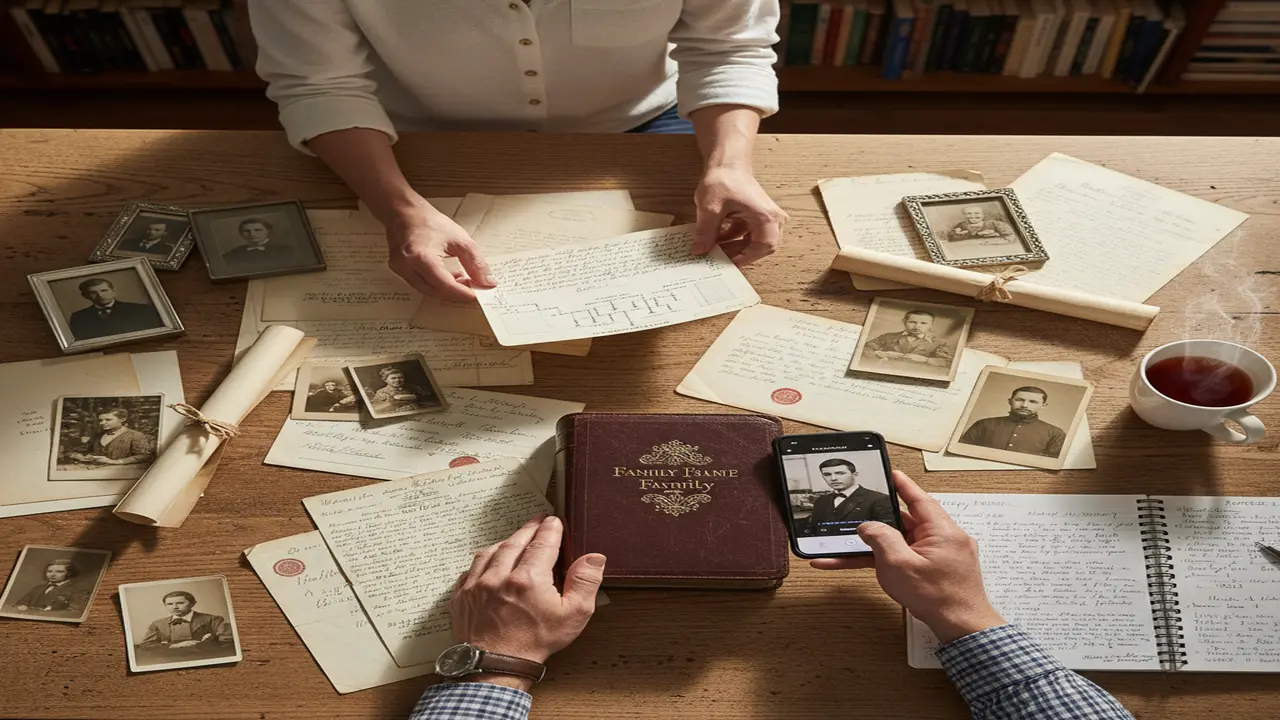
Begin by collecting all relevant records: birth, marriage, and death certificates; immigration and naturalization papers; old passports; family Bibles; letters; and photographs. Interview older relatives to capture oral histories, anecdotes, and local folklore. Transcribe interviews, note locations mentioned, and build a chronological timeline of events and migrations.
Conducting Preliminary Research
Leverage reputable genealogical databases such as FamilySearch and National Archives to trace census records, passenger lists, and civil registrations. Create detailed profiles for each ancestor, including variant spellings of names, alternate residences, and associated occupations. Note archival reference numbers and archive locations where documents are held.
Using DNA Testing for Genealogy
Modern DNA kits from major providers can estimate ethnic origins and identify genetic cousins. After receiving your results, upload raw data to open platforms to maximize matches. Interpret DNA evidence alongside documentary research to validate familial links. Keep in mind regional sample sizes, privacy policies, and the potential for unexpected revelations.
Selecting Destinations for Ancestral Travel
Once research is complete, narrow down key geographic areas most likely to yield new information. Account for factors such as language barriers, local archive accessibility, visa requirements, and seasonality.
Popular European Regions
- Ireland: Access parish registers, Griffith’s Valuation, and local genealogical centers across Dublin, Cork, and Kerry.
- Italy: Visit communal archives in Sicily, Calabria, and Veneto for 19th-century baptismal and marriage entries.
- Poland: Research records in the National Digital Archives and local parish books in historical Prussian and Austro-Hungarian areas.
- Germany: Consult church registers for the Rhineland, Bavaria, and Saxony.
Tracing African Heritage
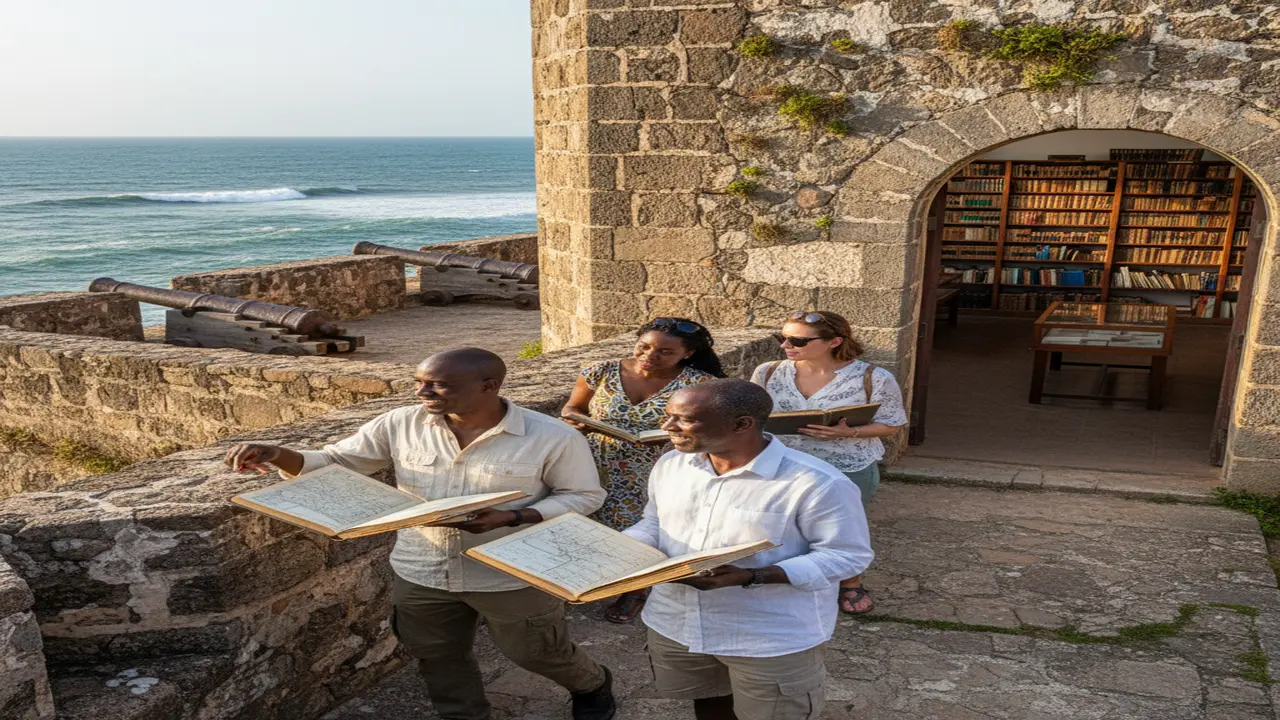
Travelers of African descent often explore sites in Ghana, Senegal, and Benin associated with the transatlantic slave trade. The Public Records and Archives Administration Department in Accra and local heritage groups provide archival materials and guided tours of coastal forts.
Tools and Resources for Ancestral Travel
Equipping yourself with the right tools streamlines the genealogy process and enhances your research efficiency on-site.
Online and Digital Archives
Websites like the Library of Congress and national archives in each country often host digitized records free of charge. Catalog these sources before departure to avoid wasted travel time.
Portable Research Equipment
A high-resolution smartphone scanning app will capture documents swiftly. Carry backup batteries, portable Wi-Fi hotspots, and extra memory cards. Use cloud-based note systems to store interview transcripts, research logs, and photographs.
Genealogy Software and Apps
Offline family tree apps allow you to access and update your genealogy database without an internet connection. GPS-enabled mapping apps can guide you to remote villages or historical cemeteries.
Working with Professional Genealogists
If you face language barriers or difficulty locating specific registers, partner with accredited genealogists. The Association of Professional Genealogists (APG) maintains a directory of experts skilled in local scripts and archival systems. While this service involves additional costs, professional guidance often accelerates breakthroughs and ensures accuracy.
Cultural Etiquette and Ethical Considerations
Respectful behavior toward local communities is paramount during ancestral travel. Observe dress codes at religious sites, request permission before photographing private property, and honor local customs. Avoid exploitative tours that sensationalize trauma and instead support heritage projects run by community members.
Budgeting and Planning Logistics
Estimate expenses for international flights, lodging, ground transportation, archive access fees, DNA kits, translator services, and professional genealogists. Allocate extra funds for unexpected discoveries—perhaps a family celebration or extended stay to examine newly discovered documents. Use flight-comparison tools and book centrally located accommodations to minimize daily travel time.
Documenting and Preserving Your Discoveries
Maintain meticulous records throughout your trip. Capture high-resolution images of documents (where permitted), record audio interviews with elders, and geotag ancestral sites. Regularly back up data to encrypted cloud storage. Once home, organize findings into a digital archive or create a printed family history book for future generations.
Leveraging Technology During the Trip
While traveling, rely on translation apps to decipher archival instructions and local signposts. Use collaborative platforms to share updates with family members in real time. Genealogy apps enable on-site editing of your family tree and seamless integration of new data.
Building Lifelong Family Connections
Establishing relationships with distant relatives often becomes the highlight of ancestral travel. Reach out in advance via social media genealogy groups or local community centers. Exchange cultural gifts, share stories, and maintain contact after your visit. These bonds can lead to future visits, shared celebrations, and a deeper understanding of your cultural heritage.
Conclusion
Ancestral travel transcends traditional tourism by weaving scholarly research with intimate cultural immersion. Armed with comprehensive planning, DNA insights, professional expertise, and ethical mindfulness, you can unearth forgotten chapters of your ancestry and forge meaningful connections spanning generations. Pack your curiosity, respect local traditions, and prepare for an unforgettable journey as you rediscover the places and people that shaped your family’s story.