
Ultimate Aurora Borealis Guide: Tips for Chasing the Northern Lights
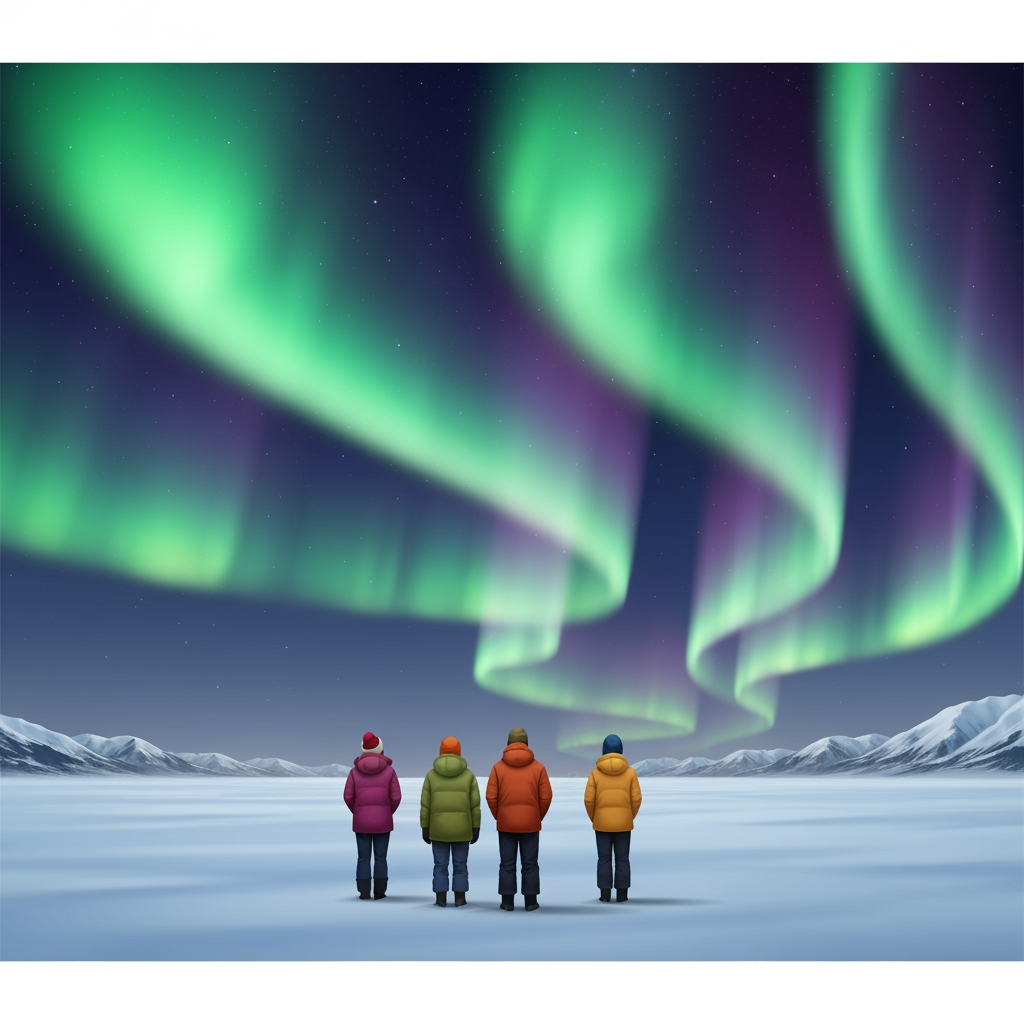
Few experiences rival the haunting beauty of the Aurora Borealis. From pale green veils drifting across the horizon to blazing columns of magenta and violet that ripple overhead, this cosmic ballet leaves a lasting impression. However, witnessing this phenomenon requires more than luck—it demands careful planning, the right equipment, and an understanding of atmospheric science. In this comprehensive Aurora Borealis travel guide, you’ll discover how to choose optimal locations, time your journey, prepare gear, and even master photography techniques so you can capture vivid memories of the Aurora.
1. Understanding the Aurora Borealis Phenomenon
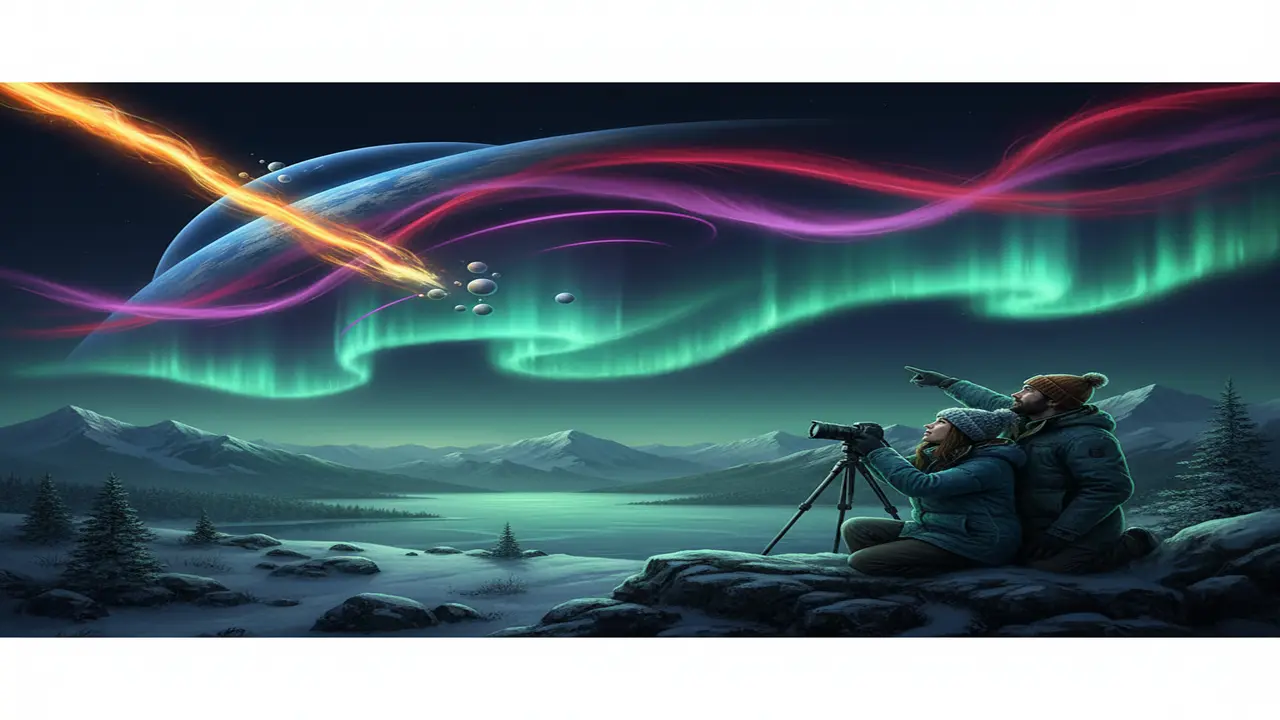
The Aurora Borealis, commonly called the Northern Lights, occurs when solar wind—charged particles emitted by the sun—interacts with Earth’s magnetosphere. These particles collide with oxygen or nitrogen atoms at altitudes between 80 and 500 kilometers, exciting them and releasing photons in the process. Green hues arise from oxygen emissions at lower altitudes, while purples and reds indicate higher-energy collisions. To learn more about the science behind auroras, consult NASA’s detailed overview (nasa.gov/spaceweather/aurora) and the NOAA Space Weather Prediction Center (swpc.noaa.gov).
2. Selecting the Perfect Aurora Viewing Destination
Not all aurora-watching locales are created equal. Ideally, you want to be under the auroral oval—the ring-shaped zone around the magnetic poles where activity is strongest. Here are some outstanding regions to consider:
- Tromsø, Norway: Located 350 km north of the Arctic Circle, Tromsø boasts mild coastal weather, extensive tour infrastructure, and high aurora frequency. The local Arctic Cathedral and fjord scenery add cultural context to your chase.
- Iceland Highlands: Accessible via four-wheel-drive tours from Reykjavik, the Highlands—such as Landmannalaugar and the Kerlingarfjöll range—offer pitch-black skies and geothermal hot springs. Check VisitIceland.com for route updates.
- Finnish and Swedish Lapland: From Lappish timber cabins with glass roofs to wilderness lodges near Kiruna and Inari, you’ll combine Sámi culture with frequent sky shows. Saariselkä’s remote location eliminates light pollution.
- Yellowknife, Northwest Territories, Canada: Sitting beneath the auroral oval, Yellowknife’s clear skies deliver an average 240 clear nights per year. Book at Aurora Village for teepees and hot tubs under the dancing lights.
- Fairbanks, Alaska, USA: The University of Alaska Fairbanks Geophysical Institute operates a public aurora forecast and magnetometer network. The Chena Hot Springs Resort complements viewing with geothermal pools.
3. Timing Your Expedition
Aurora season typically spans mid-September through mid-April. Peak darkness coincides with new-moon phases, minimizing interference from lunar glow. While December through February deliver the longest nights, cloud cover can be more prevalent. Shoulder months—late September to early October and March to mid-April—strike a balance between moderate temperatures, lower humidity, and extended darkness. For real-time KP-index forecasts (a global geomagnetic activity scale), consult NOAA SWPC’s KP predictions (Aurora Nowcast).
4. Detailed Trip Planning and Logistics
Mapping out accommodations, transportation, and contingencies can make or break your aurora quest. Here are strategic steps:
- Flexible Scheduling: Book flights and lodging with free cancellation. Weather can change rapidly; a one-night stay rarely guarantees viewings.
- Road Access: In remote zones, winter tires, snow chains, or guided transport are mandatory. Refer to local road-condition advisories—e.g., Environment Canada’s highway reports (canada.ca/weather-tools).
- Local Guides: Hiring experienced aurora guides increases success. They monitor dynamic forecasts, reposition vehicles to clear skies, and share insider knowledge of microclimates.
- Time Allocation: Plan for at least four to seven nights in your aurora zone. This window compensates for poor visibility due to overcast skies or geomagnetic lulls.
- Budgeting: Factor in heated gear rental, park fees, guided tours, and photography permits. Some parks and wilderness areas require advance reservation during peak season.
5. Essential Gear and Apparel
Subzero temperatures—often below –30 °C (–22 °F)—demand a layering system that traps warmth while wicking moisture. Recommended items:
- Base Layers: Merino wool or moisture-wicking synthetics.
- Insulation Layer: Fleece jackets or down vests with high-fill-power ratings.
- Outer Shell: Waterproof, windproof parka and pants with sealed seams.
- Accessories: Insulated gloves/mittens, neck gaiters, thermal hats, and face masks.
- Boots: Rated to –40 °C, with removable liners and traction soles.
- Hand/Foot Warmers: Single-use or rechargeable models for extended field sessions.
6. Mastering Aurora Photography
Capturing crisp aurora images requires stability, patience, and manual control. Follow these guidelines:
- Camera: Mirrorless or DSLR with full manual mode.
- Lens: Ultra-wide (14–24 mm) with aperture f/2.8 or faster.
- Tripod: Sturdy, low-center-of-gravity models prevent shake at low angles.
- Settings: Start at ISO 800–1600, aperture f/2.8, shutter 8–20 seconds; adjust per brightness.
- Focus: Use live view to zoom into a bright star or distant light, then switch to manual focus and lock.
- Battery Care: Keep spares in a warm inner pocket; cold reduces capacity drastically.
- Composition: Incorporate foreground interest—trees, cabins, mountain silhouettes—to convey scale.
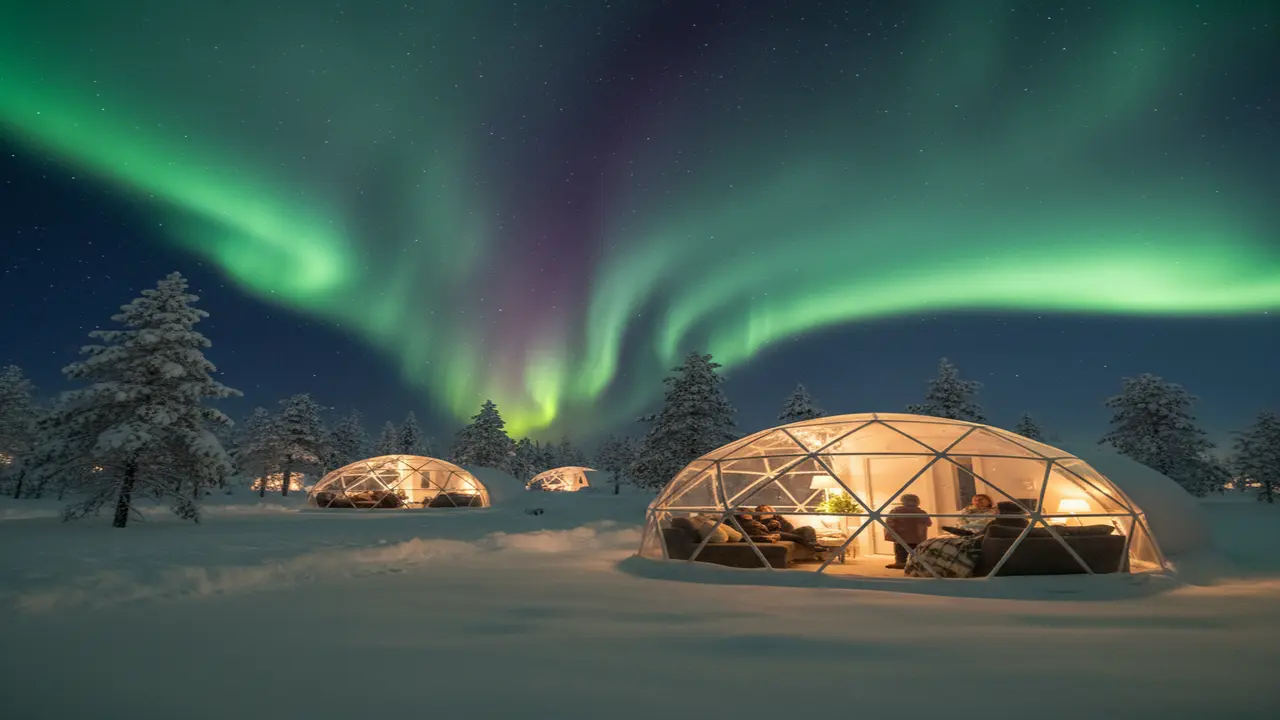
7. Local Tours, Accommodations & Unique Stays
Many regions now offer specialized lodging that maximizes aurora viewing without stepping into the cold. Consider these options:
- Glass-Igloo Resorts (Finland/Sweden): Infrared-coated domes reduce heat loss while providing panoramic ceilings.
- Arctic Ice Hotels (Scandinavia): Seasonal ice suites with guided night hunts and snowmobile transfers.
- Remote Wilderness Lodges (Canada, Alaska): Off-grid cabins stocked with provisions; ideal for multi-night self-guided hunts.
- Cultural Immersions: Stay in Sámi reindeer herder camps to learn indigenous traditions, handicrafts, and folk tales around the fire.
- Hot Springs Retreats: Combine aurora views with natural geothermal pools in Iceland’s Secret Lagoon or Alaska’s Chena Hot Springs.
8. Health, Safety, and Comfort
Extreme cold, ice, and remote terrain introduce hazards. Mitigate risk with these precautions:
- Buddy System: Always travel with a partner or guide to avoid whiteout disorientation.
- Navigation: Carry GPS devices and paper maps; magnetometers often fail near strong fields.
- Hydration & Nutrition: Dehydration accelerates in cold, dry air. Pack insulated bottles and high-calorie snacks.
- Emergency Kits: Include first-aid supplies, emergency blankets, satellite communicator (e.g., Garmin inReach).
- Local Regulations: Respect wildlife corridors, protected areas, and No-Fly zones for drones.
9. Maximizing Your Success Rate
Even in prime regions, auroras can be elusive. Increase your odds with these tactics:
- Continuous Forecast Monitoring: Use mobile apps (e.g., My Aurora Forecast, Aurora Alerts by Soft Serve) paired with official KP-index updates.
- Mobile Viewing: Rent a 4×4 or join mobile tours that chase clear patches, often moving 50–100 km in a single night.
- Weather Microclimates: Look for local wind patterns—lake-effect clouds or sea fog can open sky windows just miles away.
- Moon Phase Planning: If the moon is bright, focus on peripheral displays when the horizon is darker.
- Patience and Discipline: Auroras can be intermittent. Prepare for multiple nighttime stakeouts and intermittent napping schedules.
10. Conclusion
Chasing the Northern Lights transcends simple travel—it is a meeting of human curiosity with vast cosmic forces. By delving into the science, selecting optimal locations, packing purpose-built gear, and following expert tips, you can dramatically improve your chances of witnessing and photographing this celestial masterpiece. Bookmark this Aurora Borealis travel guide, leverage the provided links to NASA and NOAA resources, and start planning your journey. Whether you opt for a heated igloo in Finnish Lapland, a cozy cabin on the shores of a Canadian lake, or a seaside retreat in Iceland, the promise of dancing lights under a star-speckled sky awaits.
Ready to set off on an unforgettable aurora adventure? Pack smart, monitor KP forecasts, and get ready for nature’s most spectacular light show. Safe travels and clear skies!