



Introduction to Allergy-Friendly Travel
Why Allergy-Friendly Travel Matters
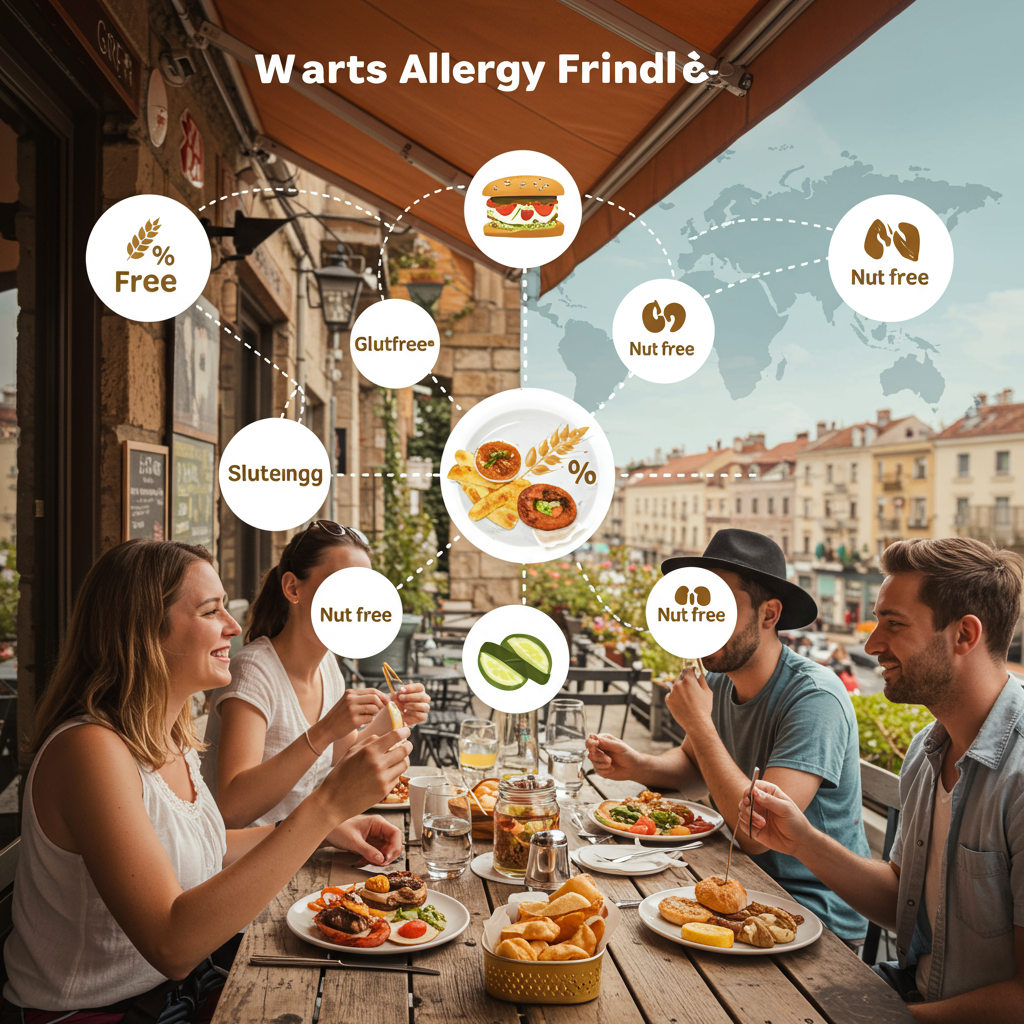
Travel offers a powerful opportunity to connect with new cultures, forge memories, and expand personal horizons. However, for travelers managing food allergies or specific dietary restrictions, every meal can introduce a layer of stress. Whether you are allergic to peanuts, shellfish, dairy, gluten, or simply adhere to a vegan or low-FODMAP regimen, smart planning and proactive communication can turn potential pitfalls into safe, delicious experiences. This guide dives into practical strategies for researching destinations, selecting the right lodging and transportation options, mastering restaurant interactions, and preparing for emergencies—all so you can focus on the wonders of travel instead of worrying about your next bite.
Why Allergy-Friendly Travel Matters
Studies estimate that roughly 10 percent of the global population lives with food allergies or intolerances (Centers for Disease Control and Prevention: https://www.cdc.gov/foodallergies). Unchecked exposure may trigger anything from mild nausea and hives to severe anaphylaxis. Beyond health risks, food-related anxiety can curtail spontaneous exploration and enjoyment. On the bright side, industry awareness has grown dramatically over recent years. Many hotels, airlines, and restaurants now publish allergen information online, offer dedicated menus, or participate in certification programs. By arming yourself with knowledge and resources, you unlock the freedom to taste local specialties safely and confidently.
Researching Your Destination
1. Identify Common Local Allergens
- What nuts, seeds, or legumes are staples in regional cuisine?
- Are dairy products present in most desserts and sauces?
- What grains or thickeners (wheat, barley, rye) might hide in soups or marinades?
2. Consult Authoritative Resources
- Visit the U.S. Food and Drug Administration site on food allergens: https://www.fda.gov/food/food-allergens.
- Explore Food Allergy Research & Education (FARE): https://www.foodallergy.org for up-to-date travel advice.
- Search forums and travel blogs by allergy-minded explorers in your chosen region.
3. Check Local Labeling Laws
- Some countries require clear allergen disclosure on prepackaged goods; others do not.
- Use government portals such as the European Commission’s food safety page: https://ec.europa.eu/food/safety to understand standards abroad.
Effective Communication Strategies

1. Create Translated Allergy Cards
- List your allergens in the local language(s) on a compact card.
- Use reliable translation tools or consult with native speakers rather than relying solely on online engines.
- Print multiple copies on waterproof cardstock.
2. Practice Clear Phrasing
- If you have a shellfish allergy, learn phrasing equivalent to “This dish must not contain shrimp, crab, lobster, or any crustacean.”
- Aim for brief, unambiguous sentences to reduce confusion.
3. Leverage Technology
- Apps such as “AllergyEats” and “Spokin” can store your allergy profile, translate it, and even recommend vetted restaurants.
- Keep screenshots or saved PDFs of your cards in your smartphone gallery.
4. Engage Staff Early
- Present your allergy card as soon as you arrive at an establishment.
- Politely ask to speak directly with a manager or head chef if the frontline staff seems unsure.
Booking Allergy-Conscious Accommodations & Transportation
1. Hotels and Vacation Rentals
- Filter for properties that advertise kitchenettes or full kitchens, so you can self-prepare meals.
- Reach out to property managers to inquire about cross-contact protocols, such as dedicated cookware and utensil sets.
- Check reviews for keywords like “allergy-friendly,” “gluten-free,” or “peanut safe.”
2. Guided Tours and Cruises
- Many group tour operators now offer specialized menus. Confirm dietary options at the time of booking and prepay any required supplements.
- On cruises, notify the cruise line at least 30 days in advance and twice more closer to departure.
3. Air Travel
- Contact your carrier 72 hours before the flight to request an allergen-free or special meal service.
- Note that some airlines maintain peanut-free or nut-free zones but policies vary by carrier. Always carry your own safe snacks to avoid reliance on inflight offerings.
- During layovers, do not assume airport lounges or terminals will have safe food. Plan ahead.
Dining Out with Confidence
1. Research and Selection
- Look for restaurants with clearly marked menus online. Chains may publish allergen matrices; independent eateries sometimes post their policies on social media.
- Seek out establishments certified by allergy organizations or that display signage of compliance with safety protocols.
2. In-Person Protocol
- Place your order in person rather than online to ensure staff awareness.
- Ask three key questions:
- Which dishes are free of my allergens?
- How do you prevent cross-contact in the kitchen?
- Can you advise on modifications to suit my needs?
3. Final Verification
- Before the dish arrives, repeat your allergies to the server.
- If possible, ask for separate plating and clean gloves from the kitchen.
Self-Catering: Independence and Safety
1. Supermarket and Market Research
- Identify local chains and specialty stores known for clear labeling.
- Use store locators or Google Maps with keywords such as “gluten-free” or “allergen-free.”
2. Learn Key Phrases
- Master basic queries: “Contains egg?”, “Prepared with wheat flour?”, “Packed in a facility that processes tree nuts?”
3. Stock Your Pantry
- Buy shelf-stable proteins like canned tuna or beans.
- Choose certified products when possible—look for symbols such as the Gluten-Free Certification Organization (GFCO).
- Keep a supply of safe snacks and backup meals in case of unexpected changes to your itinerary.
Emergency Planning and Medical Preparation
1. Carry Emergency Medication
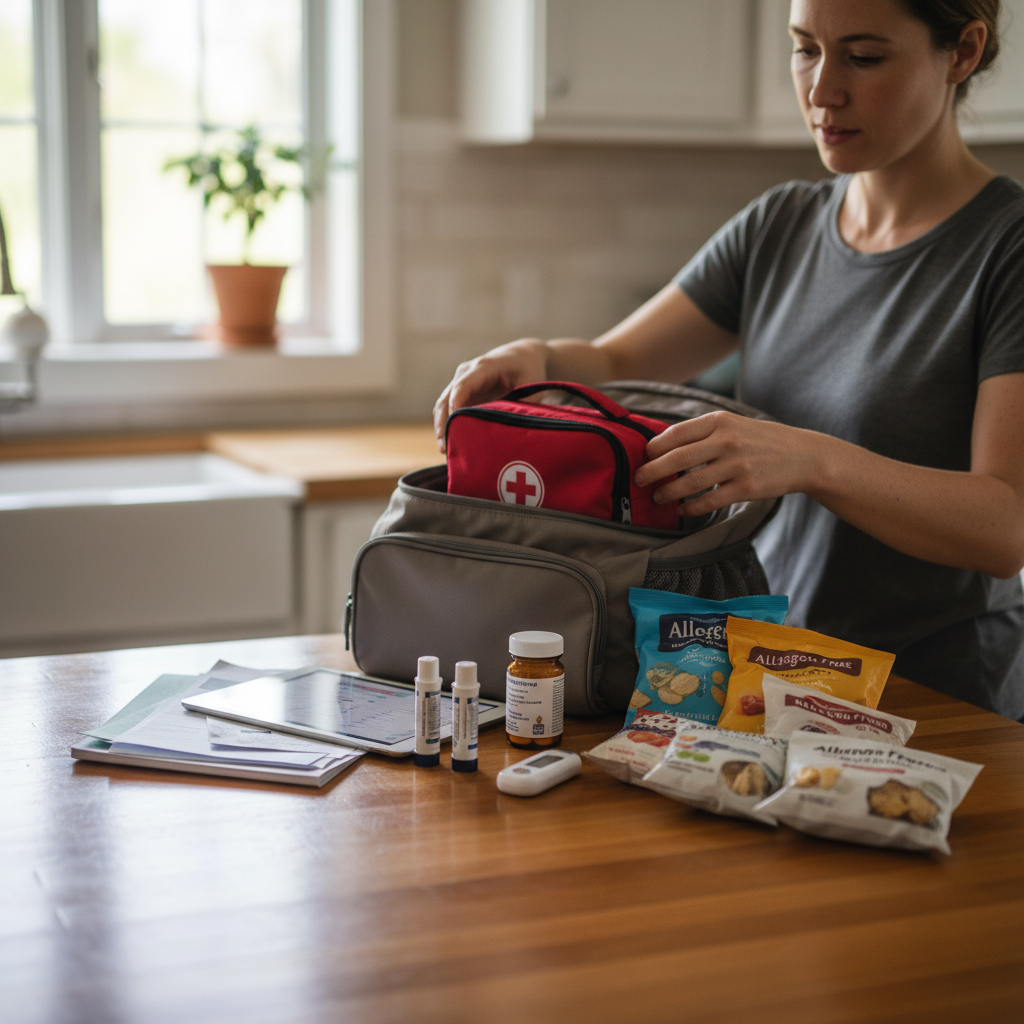
- Always have at least two epinephrine auto-injectors and antihistamines on hand.
- Store one set in your carry-on and another in accessible luggage.
2. Maintain Medical Documentation
- Digitalize your allergy list, blood type, insurance details, and emergency contacts.
- Keep a printed copy in your wallet or travel document holder.
3. Know Local Medical Resources
- Research hospitals and clinics near each destination using government health department websites.
- Identify 24-hour pharmacies and confirm whether they stock epinephrine (in some countries supplies can be limited).
4. Consider Travel Insurance
- Select policies that explicitly cover pre-existing conditions and allergic reactions.
- Review evacuation clauses if you plan remote or rugged travel.
Top Allergy-Friendly Destinations
1. Tokyo, Japan
- Japan enforces strict allergen labeling on packaged foods, highlighting eight major allergens including wheat, eggs, and shellfish (Ministry of Health, Labour and Welfare: https://www.mhlw.go.jp).
- English-language allergy cards are widely accepted, and many restaurants now offer gluten-free soy sauce and dairy-free desserts.
2. Barcelona, Spain
- Catalonian chefs emphasize fresh produce, olive oil, and simple preparations that reduce hidden allergens.
- Look for establishments participating in the FACE (Food Allergy and Celiac Europe) initiative.
3. Melbourne, Australia
- With a vibrant health-food culture, this city boasts numerous gluten-free bakeries, vegan cafes, and allergen-aware restaurants.
- Find specialty groceries via Food Allergy Aware Australia: https://foodallergyaware.com.au.
4. Vancouver, Canada
- Progressive labeling laws ensure that prepackaged products clearly list priority allergens (Canadian Food Inspection Agency: https://www.inspection.gc.ca).
- Allergy-friendly cooking classes and support groups are commonly available.
Packing the Essentials for Allergy-Friendly Travel
1. Medical Supplies
- Epinephrine auto-injectors, antihistamines, inhalers (if needed), and any prescription medications.
- An extra supply of medication separate from your main kit.
2. Documentation and Tools
- Translated allergy cards.
- Digital copies of medical records on a secure cloud drive.
- A compact food thermometer if you must verify internal temperatures for proteins.
3. Safe Snacks and Condiments
- Portable bars, rice cakes, or seed and fruit mixes that you know are safe.
- Small containers of alternative condiments—nut-free butter, gluten-free tamari, or dairy-free spreads.
4. Supportive Accessories
- Travel cooler bag or insulated lunch tote.
- Basic cooking utensils like a folding spoon, knife, or silicone spatula—especially useful if self-catering.
Conclusion
Allergy-friendly travel need not limit your ability to discover new cultures, flavors, or adventures. Meticulous preparation—from researching local cuisines and laws to mastering effective communication—can transform potential stress into seamless, joyful exploration. By staying informed through authoritative resources such as the CDC (https://www.cdc.gov/foodallergies) and FDA (https://www.fda.gov/food/allergens), carrying essential medical supplies, and choosing accommodations and destinations with robust allergen protocols, you empower yourself to focus on what truly matters: experiencing the world without compromise. Embark on your next journey with confidence, savor every safe bite, and let your dietary requirements become one detail among many in a life-changing adventure.