


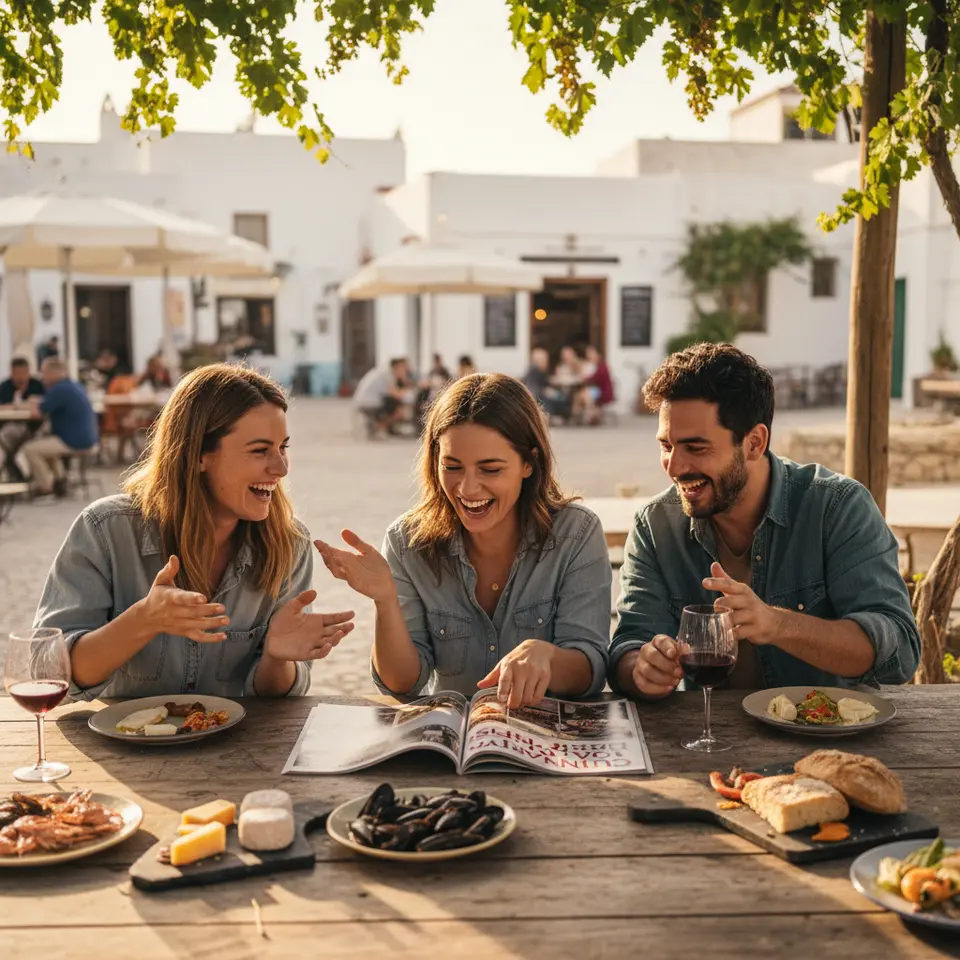
Culinary road trips have emerged as one of the most exhilarating ways to combine wanderlust with epicurean pursuits. In today’s digital landscape, more travelers are seeking immersive journeys that ignite the senses through flavorful discoveries rather than simply ticking off tourist attractions. This year (2026), the allure of sampling regional specialties while winding through dynamic terrains continues to grow, offering a blend of culture, history, and gastronomic artistry. Whether you dream of devouring freshly caught seafood along stunning coastlines, savoring aged cheeses nestled in rolling vineyards, or uncovering aromatic spice markets along centuries-old routes, this guide sets the stage for unforgettable adventures. By focusing on sustainable sourcing, local heritage, and mindful exploration, our selection of diverse coastal drives, mountain passes, and trade trails reflects the spirit of culinary road trips in its richest form. Get ready to plan your next epic voyage and discover why these journeys make each mile an opportunity to taste the world anew.
Embrace Coastal Delights: Pacific Coast Highway and Baja Peninsula
Pacific Coast Highway
The iconic Pacific Coast Highway stretches over 600 miles of dramatic cliffs, sandy beaches, and secluded harbors that frame some of the most picturesque dining experiences in North America. Embarking on this route today means you can start in southern California’s sun-kissed shores and journey northward, stopping at artisanal seafood shacks, quaint farmers’ markets, and family-run wineries. At Moss Landing, indulge in bay-caught clams served in warm sourdough bowls, while Morro Bay tempts visitors with its freshly harvested oysters. As you ascend through Big Sur’s rugged coastline, roadside stands invite you to sample locally grown organic vegetables paired with award-winning local olive oils. Along the way, vibrant seaside towns host lively culinary festivals, spotlighting fresh-caught halibut tacos and coastal-inspired chowders that celebrate the bounty beneath the waves.
Baja Peninsula
Just across the border, the Baja Peninsula has become a burgeoning hotspot for epicurean explorers seeking a blend of rustic authenticity and modern innovation. This year (2026), culinary road trips along this stretch introduce travelers to street-style tacos crafted with homemade corn tortillas, farm-to-table Baja Med cuisine in boutique restaurants, and artisanal cheeses produced in the valleys of Valle de Guadalupe. Ensenada’s coastal cantinas offer ceviche made from fish caught at dawn, while nearby vineyards open their cellars for tastings of Grenache, Chenin Blanc, and other varietals unique to the region. As the sun sets over the Pacific, beachfront gatherings come alive with live música and tasting events that highlight smoky grilled seafood paired with local craft beers and mezcal cocktails.
Both of these coastal routes prioritize sustainability and support local economies. For data on sustainable agriculture practices along seaside trails, consult the USDA official guidelines at USDA or review conservation efforts highlighted by leading marine habitat organizations.
Northern Flavors: Pacific Northwest and France’s Wine Route
Pacific Northwest
From the culinary meccas of Seattle and Portland to the tranquil shores of Vancouver Island, the Pacific Northwest captivates food lovers with its vibrant craft breweries, succulent salmon, and farm-fresh produce. Today’s food adventurers can plan stops at bustling food truck pods serving innovative takes on local seafood, families can pick berries and apples at roadside orchards, and connoisseurs can book tours of artisanal cheese producers preserving centuries-old cheesemaking traditions. The Okanagan Valley in British Columbia offers award-winning cherry orchards and vineyards that produce world-class Pinot Noir, while coastal oyster farms in Washington State invite visitors to sample shellfish harvested mere hours before reaching the plate. Ecotourism operators emphasize responsible foraging, highlighting the region’s commitment to conservation and community-supported agriculture. For additional ecological travel tips, the National Geographic publishes in-depth reports at National Geographic.
La Route des Vins (France’s Wine Route)
Crossing the fairytale villages of Alsace and the rolling vineyards of Burgundy, France’s famed wine route pairs world-class vintages with a tapestry of regional delicacies. Currently, travelers can embark on scenic drives past half-timbered houses, stopping at family-run domaines for tastings of Riesling, Gewürztraminer, and Pinot Gris. Quaint taverns along the way serve local dishes like tarte flambée topped with crème fraîche and lardons or coq au vin that has been simmered to perfection. As visitors explore medieval châteaus and historic cellars, they gain insight into centuries of viticultural heritage that has shaped the region’s identity. Each sip tells a story, inviting travelers to appreciate terroir-driven flavors and the artisanal craftsmanship behind every bottle.
Truffles to Trade: Italy’s Truffle Road and Central Asia’s Silk Road Traditions
Navigating Italy’s Truffle Road
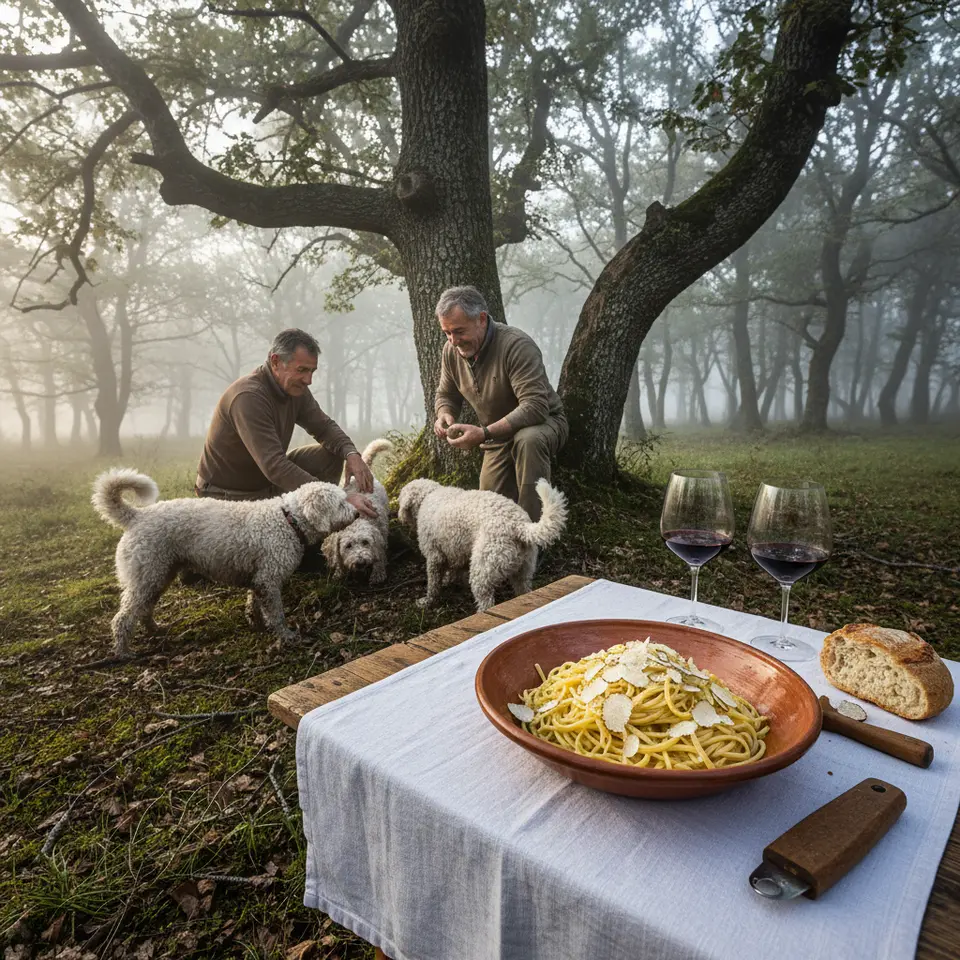
Winding through the misty hills of Piedmont and into the quaint villages of Alba and Asti, Italy’s Truffle Road offers an opulent sensory journey for serious gourmands. Today’s travelers can join expert truffle hunters and their trained dogs at dawn, traversing oak forests in search of prized white truffles known for their intense aroma. Local trattorias then showcase these fragrant gems in dishes such as delicate tagliolini tossed with butter and shaved truffle ribbons, creamy risottos paired with rich truffle-infused cheeses, and savory frittatas that highlight subtle earthy notes. Wine cellars in the region pour robust Barolo and Barbaresco vintages, creating harmonious pairings that elevate both food and wine. By embracing slow travel, visitors also gain insight into the craftsmanship behind artisanal cured meats and seasonal produce, forging connections with producers who have safeguarded these traditions for generations.
Discovering Silk Road Culinary Heritage
Stretching across Central Asia, the ancient Silk Road reveals a mosaic of culinary practices shaped by millennia of cultural exchange. Travelers today traverse the historic caravan routes from Uzbekistan’s bustling markets in Samarkand to the serene mountain bazaars of Kyrgyzstan. Along the way, plov—Central Asia’s signature rice pilaf—is served in communal settings, rich with tender lamb, fragrant onions, and hearty spices. Shashlik kebabs sizzle over open flames, while flaky samsa pastries are freshly baked in clay ovens. For the adventurous palate, sampling kumis—fermented mare’s milk—provides a genuine taste of nomadic traditions. Beyond the flavors, warm hospitality at yurts invites visitors to share stories and experience local handicrafts under vast, star-studded skies, blending culinary delights with cultural immersion.
Unique Journeys: Vietnam’s Route 61 and Maine’s Lobster Trail

Vietnam’s Route 61 – The Highway of Legends
In the heart of the Mekong Delta, Vietnam’s Route 61 weaves along canals teeming with life, connecting floating markets, rice paddies, and hidden riverbank eateries. Early risers can savor steaming bowls of pho or bun rieu at open-air stalls where vendors ladle fragrant broths rich with herbs, spices, and slices of tender meat. Floating vendors offer an abundance of tropical fruits—mangoes, rambutans, and dragon fruit—freshly plucked from local orchards. As the sun climbs, travelers sample caramelized catfish cooked in earthenware pots, featuring layers of sweet and savory flavor, and sip cool sugarcane juice harvested that morning. The route highlights how street-side kitchens and family-run restaurants preserve centuries-old Vietnamese cooking techniques, making it an ideal chapter in any culinary road trip adventure.
Maine’s Coastal Lobster Trail
Heading northeast in the United States, Maine’s rugged coastline is synonymous with lobster. Today’s epicureans wake up to the sight of fishing boats hauling in the day’s catch, then follow the Lobster Trail to iconic shacks where lobsters are steamed whole and served in buttery rolls. Inland villages host artisanal cheese makers crafting small-batch goat cheeses and farmstead cheddar, offering a delightful contrast to the coastal fare. Craft breweries and cider houses also dot the path, providing crisp, refreshing accompaniments to rich seafood dishes. Whether you dine al fresco overlooking rocky shores or enjoy a cozy fireside feast, the blend of fresh ocean harvests and local produce defines the essence of maritime gastronomy.
Spice and Vine: India’s Curry Trail and South Africa’s Wine & Food Route
India’s Curry Trail
From the bustling streets of Mumbai to the tropical backwaters of Kerala, India’s Curry Trail celebrates the nation’s mastery of spice and flavor layering. Currently, food enthusiasts embark on guided tours through vibrant spice markets where piles of turmeric, cardamom, and red chili powder entice the senses. Street stalls in Mumbai dish out fiery vada pavs and pav bhaji, while roadside dhabas along the Konkan Coast serve coconut-infused curries simmered in clay pots. In Kerala, seafood curries incorporate fresh coconut milk, curry leaves, and tamarind, creating delicate yet bold profiles. Cooking workshops allow travelers to learn traditional techniques like tempering whole spices in hot oil, ensuring every dish resonates with authenticity and warmth.
South Africa’s Wine & Food Route
Near Cape Town, the sprawling winelands of Stellenbosch, Franschhoek, and Paarl welcome epicureans with open arms and scenic vineyard vistas. This year (2026), visitors can partake in guided tasting sessions at award-winning estates producing Chenin Blanc, Sauvignon Blanc, and indigenous Pinotage. Local chefs reinterpret traditional dishes such as bobotie—a spiced meat casserole topped with egg custard—and boerewors sausage paired with bright chutneys. Artisanal biltong and craft charcuterie boards further showcase the region’s talent for preserving meats and celebrating umami flavors. Farm-to-table restaurants nestled between vine rows offer multi-course feasts that narrate stories of soil, sun, and the hands that shaped each harvest.
FAQ
What should I pack for a culinary road trip?
Pack reusable utensils, a small cooler for fresh finds, a refillable water bottle, and portable condiments to enjoy meals on the go. Don’t forget a cooler bag for perishables and insulating containers for hot dishes.
How can I ensure sustainable dining on the road?
Seek out eateries that prioritize local sourcing, look for certifications like organic or fair trade, and ask purveyors about their farming or fishing practices. Supporting community-run farms and eco-friendly producers helps preserve regional flavors for future travelers.
When is the best time to embark on a culinary road trip?
Plan around harvest seasons, local food festivals, and market days to maximize fresh flavors and cultural events. Research regional peak seasons for specialties like truffles, oysters, or grape harvest to experience each destination at its tastiest moment.
Conclusion
Culinary road trips offer more than just picturesque scenery—they invite travelers to engage deeply with cultures through the universal language of food. By taking to the highways, byways, and ancient trade routes, you experience a rich tapestry of landscapes where each stop tells a story of local heritage and craftsmanship. Whether you’re tracing the rocky cliffs of the Pacific Northwest, savoring the pungent aromas of a Central Asian market, or relishing a creamy lobster roll on a windswept Maine shore, every mile becomes an opportunity to connect with people, place, and palate. As you plan your next adventure, keep sustainability and mindfulness at the forefront—supporting family-run farms, eco-conscious fisheries, and producers who honor traditional methods ensures these routes remain vibrant for years to come. Today, as interest in authentic, locally sourced ingredients surges, culinary road trips stand out as a dynamic way to celebrate global gastronomy while traveling responsibly. So fuel up your vehicle, chart your course, and let the flavors guide you along an unforgettable journey this year (2026). Bon voyage and bon appétit!
Remember to pace your tastings, stay hydrated, and leave room for serendipitous discoveries—impromptu roadside stands can yield some of the most memorable dishes. Armed with a spirit of curiosity and respect for regional customs, you’ll uncover hidden gems that enrich your travel narrative. Embark on a culinary road trip and transform each journey into a feast for the senses.