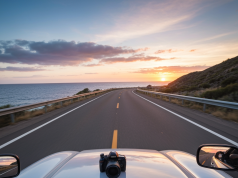



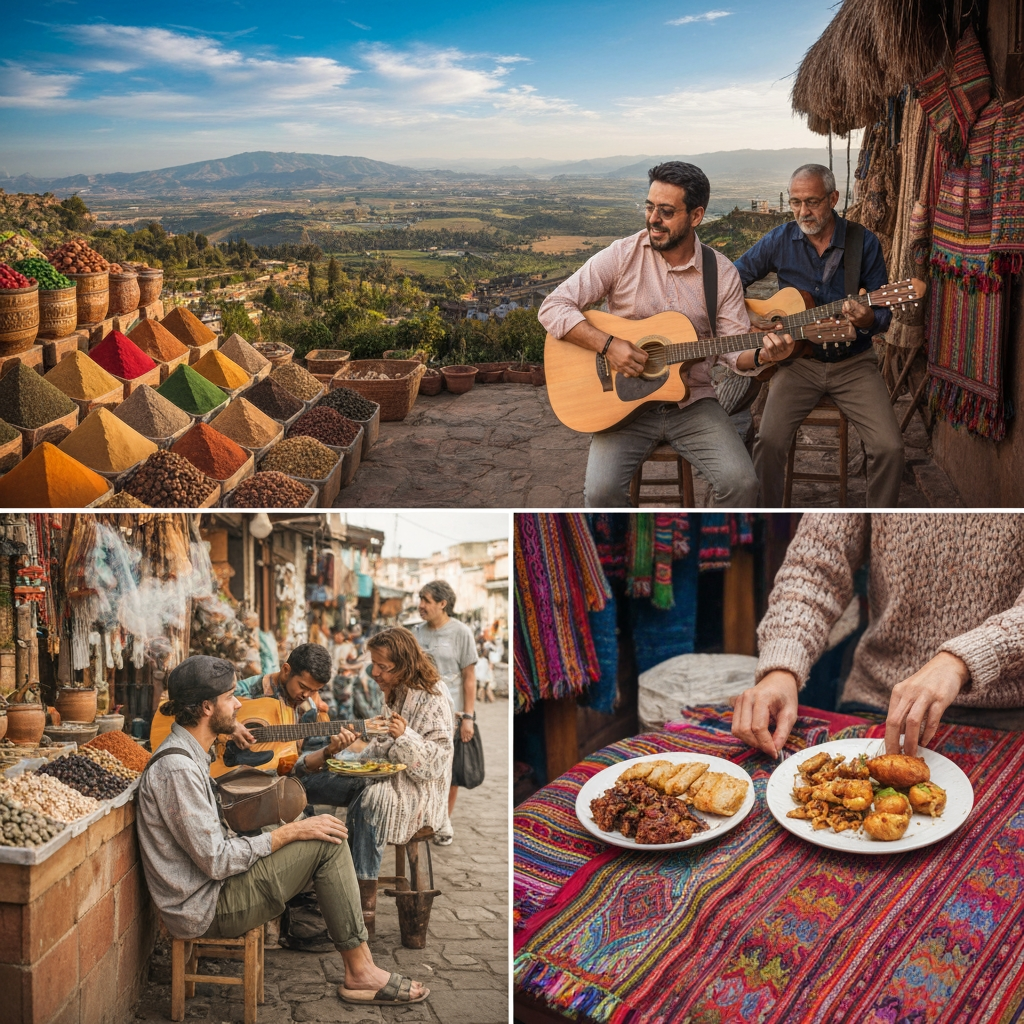
Sensory Travel: A Guide to Engaging All Five Senses
Introduction
Travel is often defined by the landmarks we check off our list or the perfect snapshot we share on social media. But true exploration awakens the full spectrum of human perception. Sensory travel asks you to go beyond the Instagram frame and immerse yourself in what you feel, hear, smell, taste, and touch. This approach deepens connections with places and people and creates durable memories long after you unpack your suitcase. Studies at the National Institutes of Health show that multisensory experiences strengthen memory encoding by up to 30% (https://www.ncbi.nlm.nih.gov/pmc/articles/PMC4749019/). This guide presents a structured way to plan, enjoy, and record sensory-rich journeys around the world.
1. Vision Redefined: Mindful Looking
Most itineraries emphasize famous vistas and iconic monuments, but sensory travel invites you to refine your visual focus.
- Detail Hunting: Search for textures, patterns, and micro-scenes. Notice the chipped paint on an old café door, the crosshatch of shadows under a sidewalk grill, or the sheen on a fisherman’s wooden boat.
- Light Choreography: Observe how sunlight moves over a marble façade at different times. The golden glow at dawn can reveal one set of details, while the cooler afternoon rays expose another.
- Framing Experiments: Sightlines change when you crouch low, tilt the camera skyward, or peer through narrow alleyways. The Architectural Association of London advises varying vantage points to uncover novel perspectives (https://www.aaschool.ac.uk/).
2. Auditory Immersion: Engaging Local Soundscapes
Silence and noise both have stories to tell. Tuning in to local acoustics enriches your sense of place.
- Urban Rhythms: In a city, listen for pedestrian chatter, distant sirens, footsteps on cobblestones, or the clink of dishes in a street-side restaurant. The American Speech-Language-Hearing Association notes that awareness of environmental noise helps you filter distractions and focus on meaningful signals (https://www.asha.org/).
- Rural Symphony: In quieter settings, pay attention to wind rustling through reeds, the call of a rooster at dawn, or the drip of water in a grotto. Close your eyes and let each note register without judgment.
- Human Voices: Strike up a conversation with a market vendor or a bus driver. The timbre and cadence of regional dialects tell stories of heritage and migration.
3. Olfactory Trails: Harnessing the Power of Scent
Smell is uniquely linked to memory and emotion. A single whiff can transport you back to a marketplace or a childhood street.
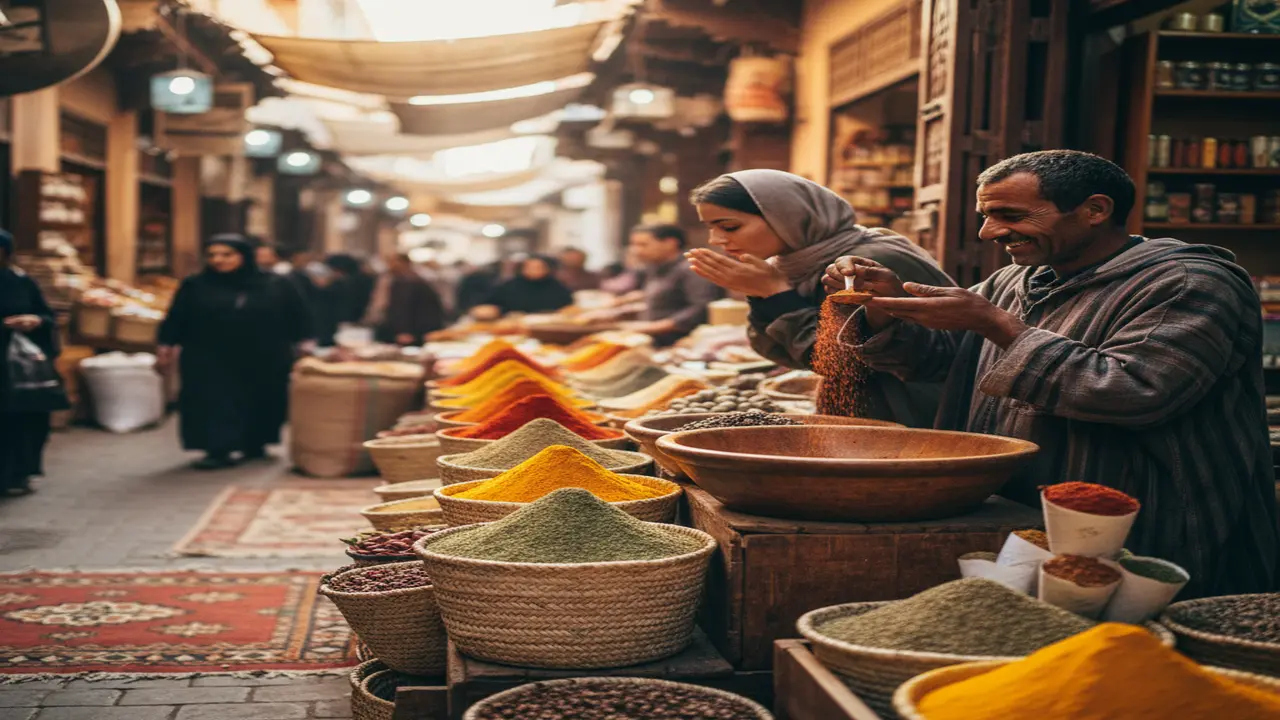
- Spice Souks and Markets: Dive nose-first into spice stalls in cities such as Marrakech or Istanbul. The layers of cumin, paprika, and coriander can guide you toward authentic recipes and new culinary classes.
- Floral Pathways: Visit botanical gardens or roadside wildflower patches. In Provence, rows of lavender fields near Sault release compounds that calm the mind, as documented by French agricultural research (https://www.inrae.fr/).
- Urban Air Profiles: Each metropolis has a distinct aroma. In Mexico City, the scent of roasted corn and fresh tortillas mixes with smoky volcanos in the distance. In New York, jet exhaust and roasted nuts compete for attention.
4. Culinary Exploration: A Taste Passport
Flavor is the final frontier in multisensory travel. It brings together culture, geography, and social ritual.
- Beyond the Signature Dish: Ask locals about their favorite snack trucks, neighborhood bakeries, or family-run restaurants. In Bangkok, for instance, you might sample grilled river prawns far from the tourist lanes.
- Participatory Cooking: Enroll in a regional cooking workshop. Stirring a paella in Valencia, pressing olive oil in Andalusia, or kneading rice dough in Tokyo gives you tactile insight into ingredients and traditions.
- Flavor Balancing: Train your palate by sampling four primary tastes—sweet, salty, sour, and bitter—and discovering how cultures combine them. The United States Food and Drug Administration provides guidance on safe food handling so you can indulge responsibly (https://www.fda.gov/food).
5. Tactile Journeys: Feeling Your Way Forward
Touch roots you in a moment and links you to your environment.
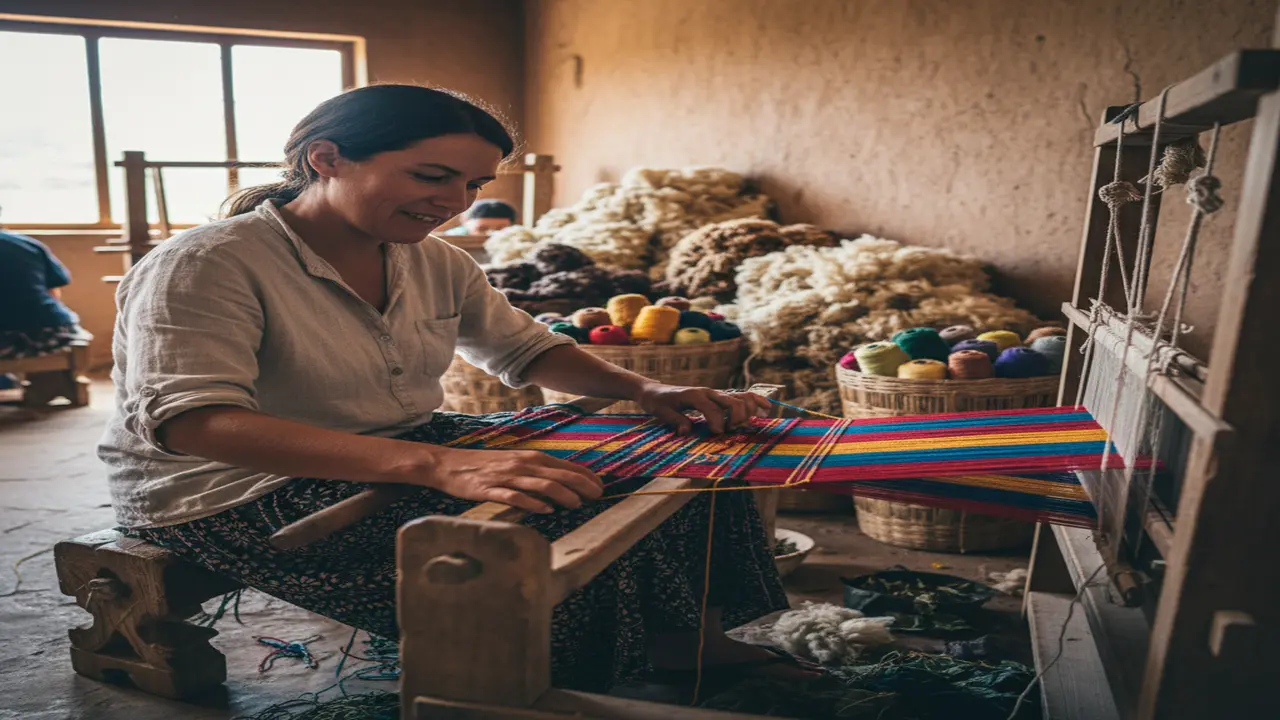
- Handcrafted Arts: Visit local artisans and try weaving in Oaxaca, wood carving in Bali, or glassblowing in Murano. The feel of raw materials under your fingers reveals centuries of craft heritage.
- Architectural Textures: Run your hand along ancient temple stones in Kyoto, burnished bronze gates in Prague, or the tiled mosaics of Fez. Notice the temperature, weight, and grain.
- Natural Immersion: Wade ankle-deep in an alpine stream, let sea spray mist your face, or sink into thermal springs. Physical sensations create stories you carry in your muscle memory.
6. Designing a Multi-Sensory Itinerary
Crafting a balanced journey ensures you don’t overload one sense at the expense of another.
- Research Sensory Landmarks: Compile a list of markets, gardens, performance venues, heritage sites, and artisan workshops. Sites like the United Nations World Tourism Organization (https://www.unwto.org/) can point you to hidden gems.
- Mix Settings: Alternate bustling cities with tranquil countrysides. Urban streets reveal sound and scent layers; rural retreats offer tactile calm and auditory clarity.
- Schedule Pauses: Allocate blocks for silent reflection or journaling. Over-booking can desensitize you—rest periods keep your senses receptive.
- Bring Tools: Pack a small audio recorder, a lightweight fabric swatch, a portable fragrance kit, and a travel journal. These items let you capture moments beyond photos.
7. Preserving Your Sensory Memories
Recording multisensory data turns fleeting impressions into lasting travel memoirs.
- Audio-Visual Logs: Film short clips with ambient noise, capturing both movement and sound.
- Scent Sampling: Use absorbent strips in a notebook or sealed vials for essential oils you encounter.
- Tactile Archives: Collect permission-based fabric scraps, pressed flowers, or postcards with raised finishes.
- Flavor Diary: Note taste profiles, textures, and aftertastes. Rate how each dish felt on your tongue and in your mood.
Conclusion
A journey that engages all five senses becomes more than sightseeing; it evolves into a personal odyssey. By intentionally seeking visual detail, auditory nuance, aromatic triggers, culinary depth, and tactile resonance, you craft experiences that linger in your mind and body. Next time you plan a trip, ask yourself not only where you will go, but how you will see, hear, smell, taste, and touch each moment. Embrace sensory travel, and turn every destination into an unforgettable tapestry of lived experience.