Discover the transformative power of Ancestral Travel. This comprehensive guide walks you through uncovering your family history, planning an itinerary based on your genealogy, and experiencing cultural immersion in the lands of your forebears. Learn how to turn historical records into the trip of a lifetime.
Have you ever wondered where your family truly comes from? Beyond the names and dates on a family tree lies a rich history waiting to be experienced firsthand. Ancestral Travel offers a unique way to bridge the gap between past and present. It is the process of visiting the places where your ancestors lived, worked, and died. This type of journey goes far beyond standard tourism. It allows you to walk the same streets, breathe the same air, and experience the culture that shaped your lineage.
Embarking on an Ancestral Travel journey provides a deeply personal connection to history. It turns abstract genealogical data into a tangible reality. When you stand in the village where your great-grandparents were born, history suddenly feels immediate and deeply relevant. This physical connection fosters a profound sense of belonging and identity.
Furthermore, Ancestral Travel facilitates meaningful cultural immersion. You are not just visiting a place to see the sights; you are there to understand a way of life. This leads to incredibly authentic travel experiences. You might find yourself sharing a meal with distant relatives or participating in a local festival that your ancestors celebrated centuries ago. These moments create lasting memories that standard vacations simply cannot match. If you are ready to trace your roots across the globe, this guide will show you exactly how to make your Ancestral Travel dreams a reality.
Phase 1: Unearthing Your Roots – The Research Stage
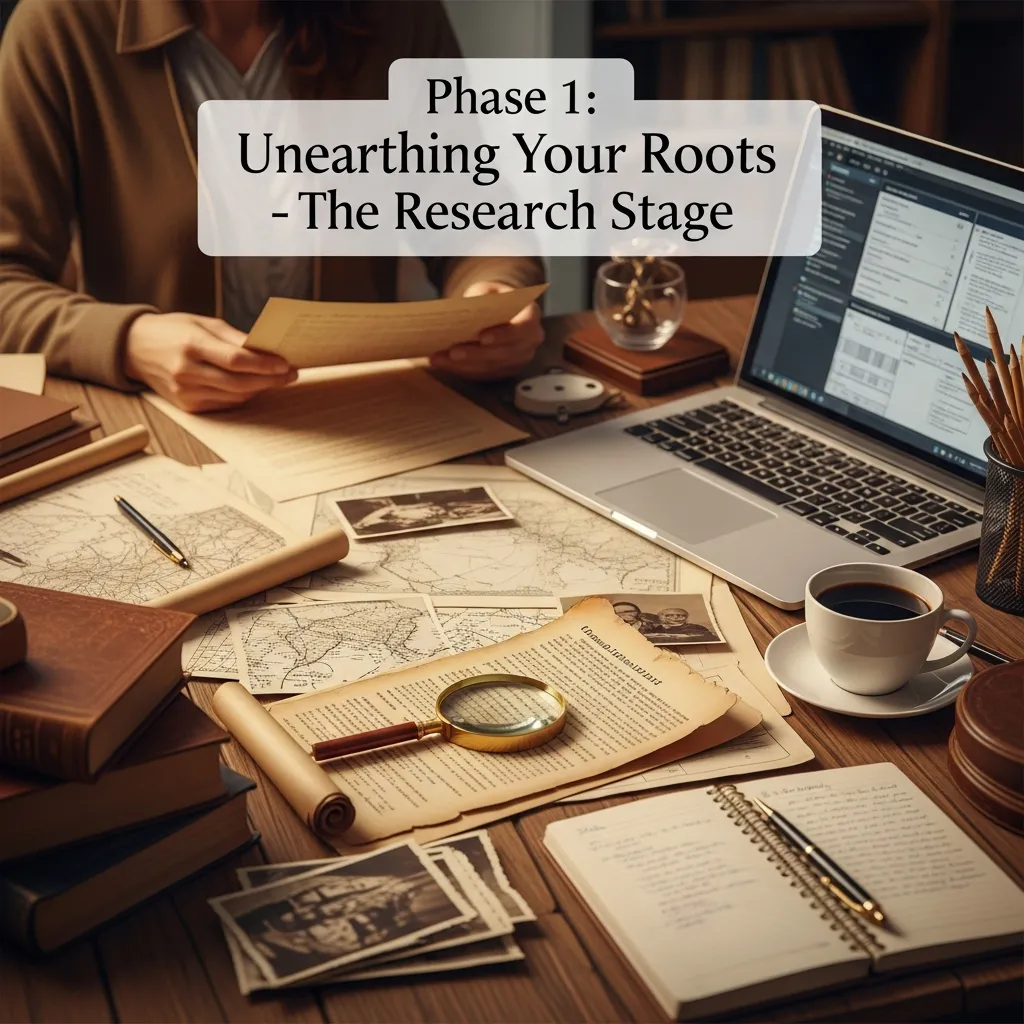
Before you pack your bags for your Ancestral Travel adventure, you need to know exactly where you are going. The research phase is the foundation of your journey.
Getting Started with Ancestry Research Websites and Tools
The internet has revolutionized genealogy. Today, ancestry research websites offer incredible access to historical records. Platforms like Ancestry.com provide vast databases of census records, vital records, and military documents. For instance, Ancestry offers billions of historical records and tools to build your family tree. You can even utilize a 14-day free trial to jumpstart your research. Other notable platforms include MyHeritage and FamilySearch.
Utilizing DNA testing services is another powerful tool. Kits from AncestryDNA or 23andMe combine genetic science with vast consumer databases. A simple saliva test can pinpoint specific regions in the world where your family originated. AncestryDNA, for example, offers insights across more than 3,600 global regions. This genetic data can guide your Ancestral Travel itinerary by revealing unexpected geographic connections.
For effective online research, start with what you know. Enter your parents and grandparents into a digital family tree. Look for overlapping data and verify documents carefully. Be patient, as spelling variations and missing records are common. Take advantage of webinars and tutorials offered by ancestry research websites to improve your investigative skills.
Diving Deeper: Offline Research Methods
While ancestry research websites are invaluable, offline methods are equally important for Ancestral Travel planning. Start by consulting family records and elders. Old photographs, letters, diaries, and family bibles often contain clues that digital databases miss. Interview older relatives to capture oral histories before they are lost.
Next, visit local archives, libraries, and historical societies. Many small towns keep detailed historical records that have not been digitized. These local repositories hold newspaper archives, land deeds, and old maps that can pinpoint exactly where an ancestor’s farm or business was located.
Finally, consider connecting with genealogical societies or hiring professional genealogists. If you hit a brick wall, local experts in your ancestral homeland can navigate foreign archives and translate historical documents. Their expertise can uncover the specific locations necessary for a successful Ancestral Travel experience.
Phase 2: Planning Your Ancestral Travel Itinerary
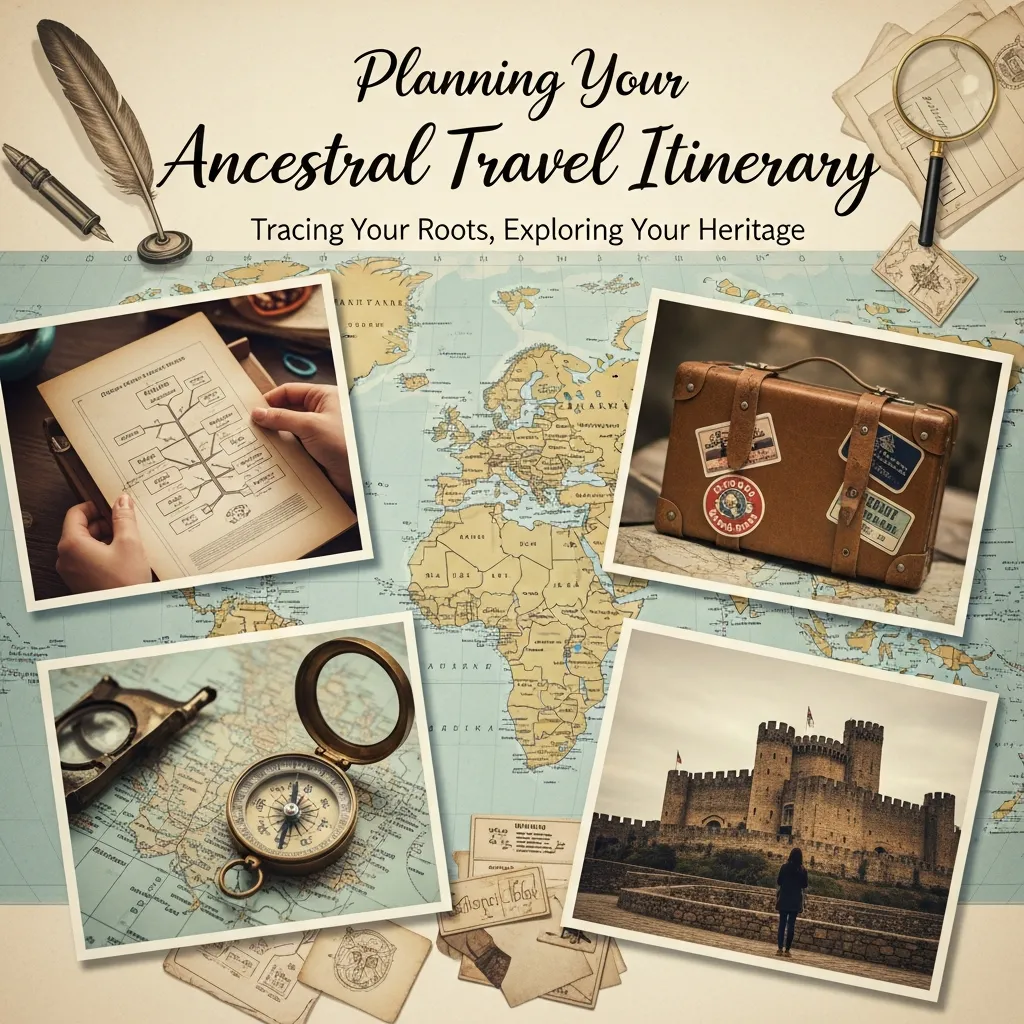
Once you have gathered your genealogical data, it is time to map out your Ancestral Travel route. Careful planning ensures your trip is both meaningful and manageable.
Pinpointing Key Locations: Where to Visit
The goal of Ancestral Travel is to visit highly specific locations tied to your lineage. Focus on birthplaces, ancestral homes, and historical landmarks relevant to your family’s story. Finding the exact address of an ancestral home or the church where your great-grandparents were married provides a powerful emotional anchor for your trip.
Cemeteries and religious institutions are also crucial stops. Gravestones often provide vital genealogical information, including birth dates, maiden names, and relationships. Local churches, synagogues, or temples frequently hold the oldest continuous records in a community. Visiting these sites offers a quiet space to reflect on the lives of those who came before you.
Logistical Considerations for Ancestral Travel
Ancestral Travel requires practical logistical planning. First, research visa and travel requirements for your destination. Ensure your passport is valid for at least six months beyond your travel dates. Some rural or obscure ancestral towns may require special permits or complicated border crossings.
Accommodation and transportation need careful thought. Ancestral villages are often located off the beaten path, far from major tourist hubs. You may need to rent a car to navigate rural roads. Look for local guesthouses or bed-and-breakfasts rather than large hotel chains. Staying locally supports the community and enhances your overall experience.
Budgeting for your journey is essential. Ancestral Travel can involve hiring local guides, translators, and researchers. Factor these specialized services into your travel budget. Additionally, allocate funds for obtaining official copies of historical documents or making donations to local archives and churches that assist your research.
Crafting an Authentic Travel Experience
To maximize the impact of your Ancestral Travel, prioritize authentic travel experiences. Connecting with local communities is the best way to understand your heritage. Visit local markets, frequent neighborhood cafes, and strike up conversations with residents.
Engaging with historical re-enactments or cultural festivals brings history to life. If your ancestors left during a specific historical event, find out if the local town commemorates it. Participating in traditional celebrations allows you to experience the sights, sounds, and flavors that your ancestors knew.
Learning basic phrases of the local language is highly recommended. Even a simple greeting in the native tongue shows respect and opens doors. It demonstrates that you are not just a passing tourist, but someone deeply invested in the local culture. This small effort greatly enhances Cultural Immersion Travel.
Phase 3: The Journey – Experiencing Your Ancestral Past
The planning is complete, and you have finally arrived. This phase of Ancestral Travel is all about discovery and emotional connection.
On-the-Ground Research and Discovery
Your Ancestral Travel journey is an active research expedition. Interviewing distant relatives or local historians is a highlight for many travelers. Local historians can provide context about what life was like when your family lived there. If you are lucky enough to locate living relatives, these reunions can be incredibly moving. Approach these meetings with respect and an open mind.
Documenting your findings is vital. Use journaling, photography, and videography to capture the details of your trip. Photograph the landscape, the architecture, and the documents you uncover. Record audio of church bells ringing or local musicians playing traditional songs. Write down your feelings and reactions in a journal while the experience is fresh.
Cultural Immersion Travel: Beyond the Genealogy
Genealogy gives you the locations, but Cultural Immersion Travel gives you the context. Experiencing local cuisine and traditions is a delicious way to connect with your roots. Eat the traditional dishes that your ancestors likely prepared. Learn about the agricultural history of the region and how it shaped the local diet.
Participating in community events integrates you into the current fabric of the town. Whether it is a Sunday church service, a local sports match, or a town hall meeting, being present in the community bridges the gap between the past and the present.
Above all, spend time reflecting on your personal connection to the past. Find a quiet spot in your ancestral village and simply observe. Ancestral Travel is an emotional undertaking. Allow yourself the space to process what it means to walk in the footsteps of your forebears.
Phase 4: Preserving and Sharing Your Ancestral Story
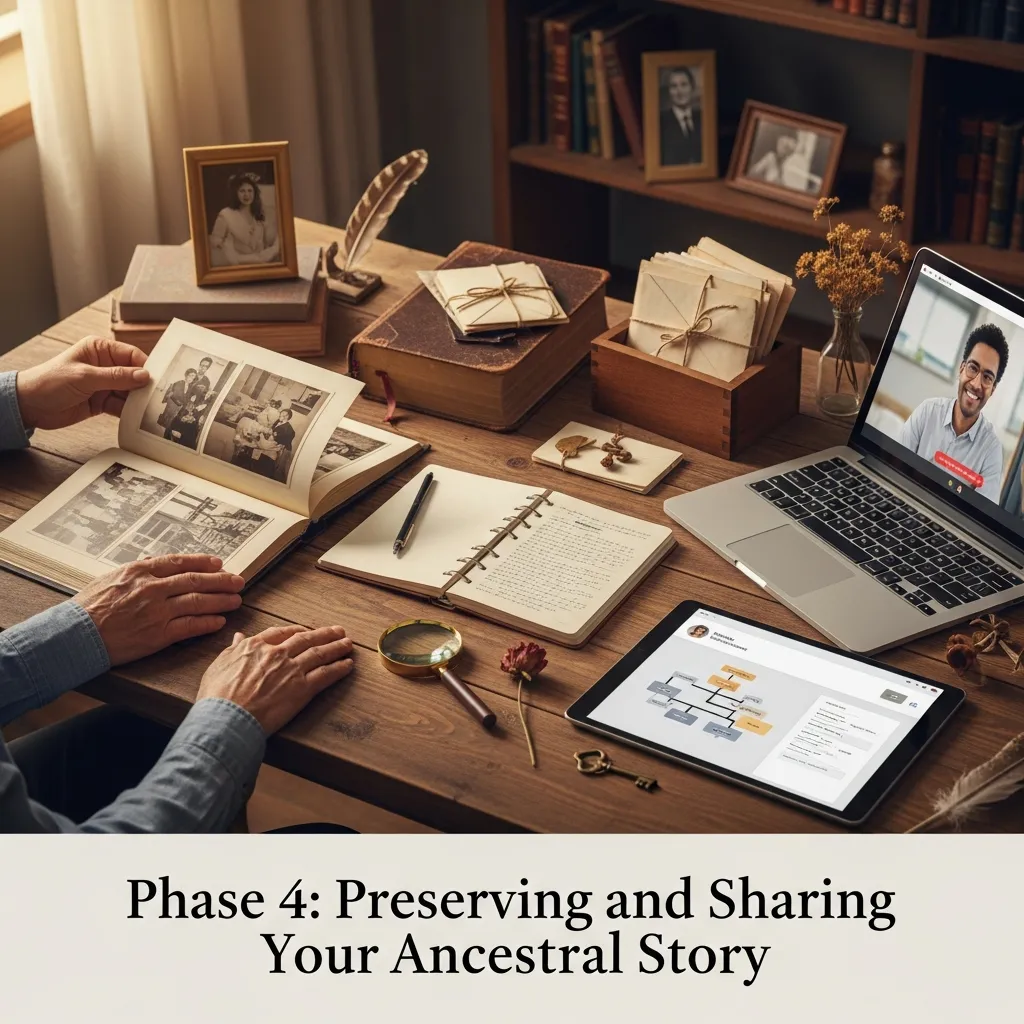
Your Ancestral Travel journey does not end when you return home. Preserving what you learned ensures your family’s history survives for future generations.
Documenting Your Journey for Future Generations
Creating a family history book or website is a wonderful way to consolidate your research and travel experiences. Combine your genealogical data, historical documents, and travel photographs into a cohesive narrative. A digital website allows easily sharing updates as you uncover new information.
Sharing your experiences with family and friends brings the journey full circle. Host a gathering to present your findings. Share the stories, show the videos, and perhaps even cook a traditional meal from your ancestral homeland. Your Ancestral Travel can inspire others in your family to take an interest in their heritage.
The Lasting Impact of Ancestral Travel
The impact of Ancestral Travel resonates long after the trip concludes. It sparks profound personal growth and understanding. By learning about the struggles and triumphs of your ancestors, you gain a deeper appreciation for your own life and the opportunities you have.
Furthermore, this journey plays a significant role in strengthening family bonds. Collaborating on research, sharing discoveries, and traveling together creates shared memories. Ancestral Travel unites generations through a common history, proving that exploring the past is a powerful way to enrich the present.
Conclusion: The Enduring Legacy of Ancestral Travel
Ancestral Travel is an investment in your personal identity. It transforms dry historical facts into vibrant, living experiences. By utilizing ancestry research websites, planning carefully, and embracing Cultural Immersion Travel, you open the door to highly authentic travel experiences. You are preserving the stories of those who came before you and ensuring their legacy continues. As you trace your family roots across the globe, you might just discover that the most important thing you find on your Ancestral Travel journey is a deeper understanding of yourself.
Frequently Asked Questions (FAQ) about Ancestral Travel
1. What is Ancestral Travel?
Ancestral Travel is the practice of traveling to destinations specifically connected to your family history and genealogy. It involves visiting the towns, homes, and regions where your ancestors lived to gain a deeper understanding of your heritage.
2. How do I start tracing my family roots?
Begin by talking to your oldest living relatives and gathering family documents. Next, use ancestry research websites to build a digital family tree and search for census, birth, and marriage records to trace your lineage backward.
3. What are the best ancestry research websites?
Some of the most popular and comprehensive ancestry research websites include Ancestry.com, FamilySearch.org, and MyHeritage. These platforms offer massive databases of historical records to aid your Ancestral Travel planning.
4. Is DNA testing accurate for ancestral research?
Yes, DNA testing provides highly accurate estimates of your ethnic origins and geographic background. Services like AncestryDNA compare your genetic markers against global populations, which can guide your Ancestral Travel destinations.
5. How do I plan an Ancestral Travel itinerary?
Start by identifying specific towns or addresses from your genealogical research. Map out these locations, research local transportation and accommodations, and contact local historical societies or guides to help you once you arrive.
6. What are some tips for cultural immersion travel?
To achieve genuine Cultural Immersion Travel, stay in local accommodations, eat regional foods, attend community events, and interact with the residents. Step away from tourist hotspots to experience everyday life in your ancestral homeland.
7. How can I connect with relatives in my ancestral homeland?
Use ancestry research websites to find DNA matches in the region. You can also reach out to local genealogical societies, use local social media groups, or place inquiries in local newspapers before your trip.
8. What should I do if I hit a roadblock in my research?
If you hit a brick wall, try looking for alternative records like land deeds or tax rolls. Consider hiring a professional genealogist who specializes in the specific region you are researching for your Ancestral Travel.
9. How important is it to learn the local language for Ancestral Travel?
While you do not need to be fluent, learning basic phrases is incredibly important. It shows respect for the culture, helps you navigate rural areas, and facilitates authentic travel experiences with locals.
10. How can I document my ancestral journey effectively?
Keep a daily travel journal, take extensive photographs of locations and historical documents, record videos, and organize all your findings in a digital folder or a physical scrapbook upon returning home.
11. What are the benefits of authentic travel experiences through Ancestral Travel?
Authentic travel experiences provide a deeper emotional connection to your destination. They allow you to understand the context of your ancestors’ lives, fostering a profound sense of identity and personal growth.
12. How can I ensure my Ancestral Travel is respectful of local customs?
Research the cultural norms and etiquette of your destination before arriving. Dress appropriately, ask permission before photographing people or private property, and approach local history and living relatives with sensitivity and gratitude.