


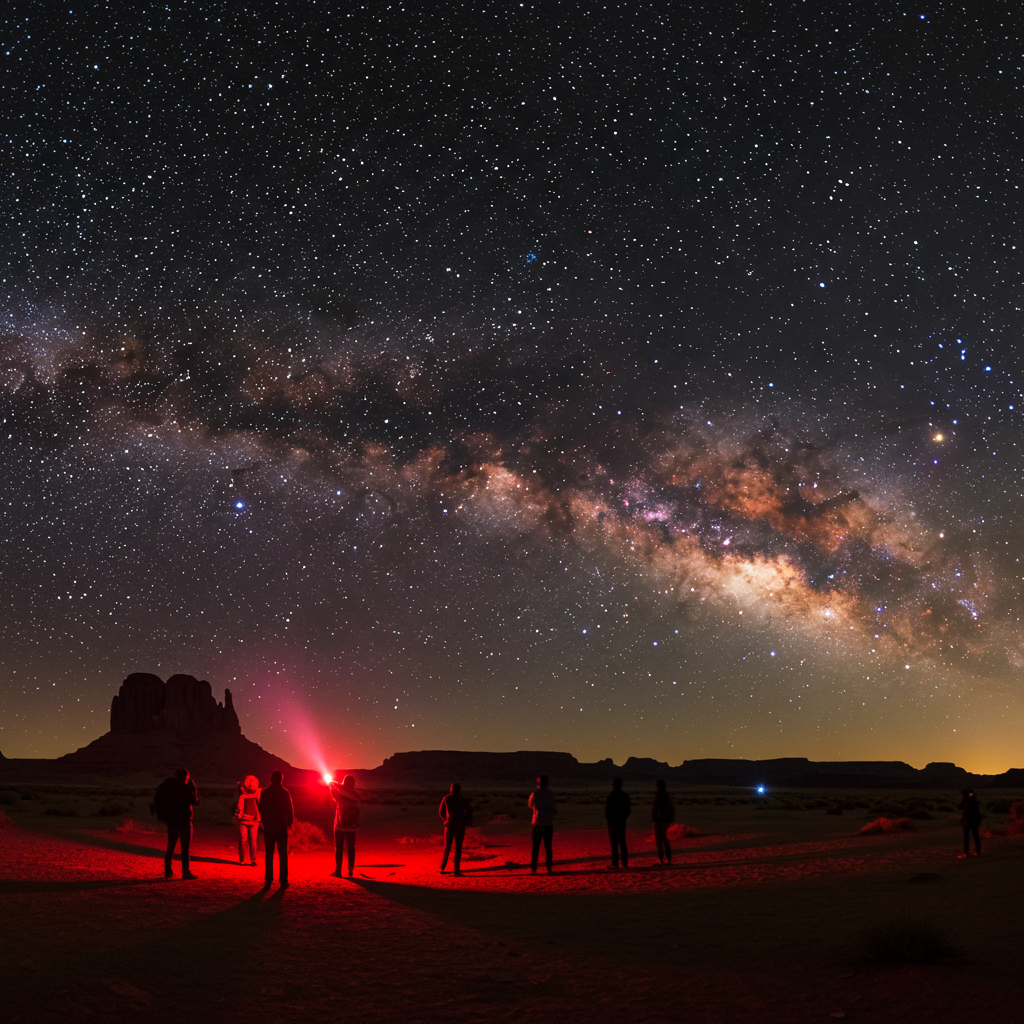
Dark sky travel is more than a vacation—it’s a pilgrimage to some of the world’s most pristine nocturnal landscapes. With modern light pollution washing out the Milky Way in most urban centers, dedicated travelers journey to remote parks, desert plains, mountain overlooks, and secluded islands where the stars can reclaim their brilliance. Beyond a mere sightseeing tour, dark sky travel rekindles our ancestral bond with the cosmos, reminding us of the vast tapestry in which our planet hangs.
In this comprehensive guide, you’ll learn how to identify and select destinations certified by the International Dark-Sky Association (IDA), plan your trip around optimal moon phases and seasonal weather patterns, pack essential gear for comfort and safety, and practice responsible travel techniques that protect these fragile environments. Whether you’re an amateur astronomer, photography enthusiast, or simply someone longing to witness the Milky Way arc overhead, this resource will equip you with everything you need for an unforgettable celestial adventure.
Why Dark Sky Travel Matters
The night sky has inspired humanity for millennia—guiding navigators, inspiring mythologies, and grounding scientific breakthroughs. Yet today, artificial light pollution obscures over 80 percent of the world’s population from a truly star-filled sky light-pollution. By seeking out dark sky destinations, travelers not only restore a deep connection to the cosmos but also support nocturnal ecosystems and advocate for more sustainable lighting practices.
Dark sky regions serve as natural living laboratories for researchers studying wildlife behavior, human circadian rhythms, and the ecological effects of artificial light at night. These areas are not only scientifically valuable but also culturally and environmentally significant. The UNESCO recognizes dark skies as part of an important heritage that deserves global protection and awareness. You can learn more about their efforts on light pollution and environmental preservation through their official resource page: .
Protecting dark skies also supports local conservation initiatives, encourages responsible community lighting policies, and strengthens global campaigns aimed at reducing energy waste while preserving biodiversity for future generations.
Choosing the Right Destination
Not all remote locales qualify as true dark sky havens. Certified dark sky places meet stringent criteria set by the International Dark-Sky Association:
- Minimal artificial light emissions within and around the site
- Clear atmospheric conditions with low humidity and minimal haze
- Community support for lighting ordinances and nighttime conservation
- Public access and educational programs for stargazers
Look for the following designations when researching:
- International Dark Sky Parks and Reserves (IDA)
- UNESCO Global Geoparks with low-light certification
- National and state parks offering astronomy outreach programs
Top Dark Sky Destinations by Region
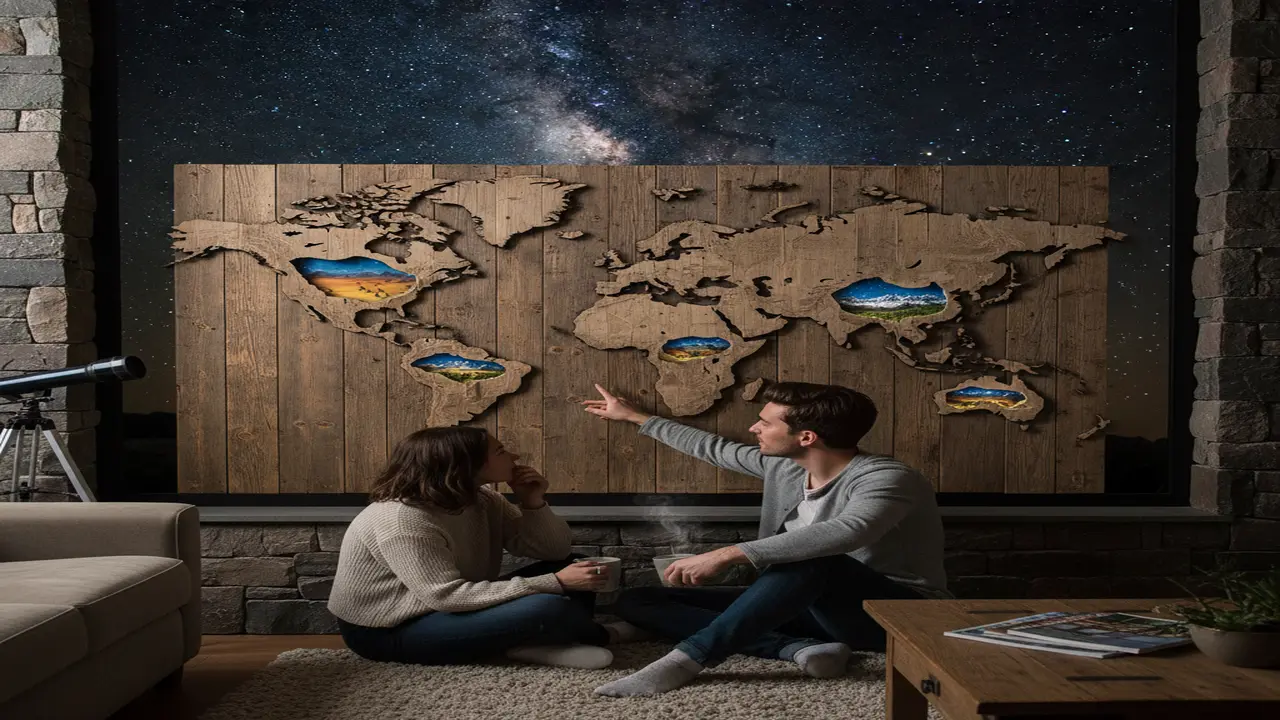
From desert expanses to alpine plateaus, these must-visit spots promise some of the darkest skies on Earth. Each location offers unique terrain, specialized facilities, and seasonal highlights.
North America
- Big Bend National Park, Texas (USA): Encompassing over 120,000 acres of Chihuahuan Desert, Big Bend boasts minimal light domes, clear skies nearly 300 nights per year, and astronomy programs hosted by the McDonald Observatory. Camp under the stars at Rio Grande Village Campground or join ranger-led talks at the Panther Junction Visitor Center.
- Cherry Springs State Park, Pennsylvania (USA): One of the darkest sites east of the Mississippi, Cherry Springs offers 360-degree sky views, annual star parties attracting hundreds of telescopes, and nearby rustic cabins. Fall and spring equinox events are especially popular for Milky Way photography.
Europe
- Galloway Forest Park, Scotland: Europe’s first Dark Sky Park, with dedicated Dark Sky Discovery Sites and visitor centers offering guided stargazing sessions. Late autumn and winter bring extended nights and a chance to glimpse the aurora borealis further north.
- Mont-Mégantic, Québec (Canada): Home to the ASTROLab community science center and a research-grade observatory. Though technically in North America, its proximity to New England highways makes it a favorite for cross-border travelers seeking educational workshops and high-precision imaging facilities observatoire mont megantic.
Asia Pacific
- Aoraki Mackenzie, New Zealand: An International Dark Sky Reserve nestled in the Southern Alps. The region’s clear alpine air and lack of coastal haze yield exceptionally high transparency. Stargazing lodges in Lake Tekapo offer beds equipped with skylights for uninterrupted night sky views.
- NamibRand Nature Reserve, Namibia: Wide desert plains with humidity often below 20 percent, minimal dust, and professional observatories open to the public. Special night drives reveal active nocturnal wildlife under a canopy of stars.
Africa
- Sossusvlei Desert Camps, Namibia: Luxury tented camps offering private observatories and infrared Red Dot telescopes. Combine with dune hikes at sunrise and guided geology tours of the Sesriem Canyon.
- Lake Manyara, Tanzania: Pair your safari by day with lakeside stargazing at night. The park’s volcanic ash plains reflect starlight, creating a luminous foreground for astrophotography.
South America
- Atacama Desert, Chile: Some of the clearest skies on the planet, home to the ALMA Observatory and numerous commercial stargazing lodges. Visit during the dry winter months (June–August) for peak visibility and lower tourist traffic.
- Elqui Valley, Chile: Famous for boutique astronomy hotels and pisco distilleries. Warm summer nights (December–February) are ideal for combining cultural tours with late-night telescope sessions.
Planning Your Trip
Effective planning transforms a good dark sky excursion into a seamless, memorable journey. Consider these critical factors:
Moon Phase and Timing
For the darkest skies, plan around the new moon or the two-week window before and after. Even a slim crescent can wash out faint nebulae. Use NASA’s moon phase calendar or smartphone apps to pinpoint optimal dates.
Weather, Season, and Climate
Dry, stable air with low humidity and minimal dust or smoke offers the best transparency. Desert sites shine in winter when temperatures plummet overnight, reducing moisture. Alpine reserves benefit from high elevation year-round but can be inaccessible during snowstorms. Always check local forecasts on Weather Underground, Meteoblue, or the national meteorological service.
Permits, Reservations, and Access
Many parks limit the number of overnight campers or require guided access. Reserve campsites, cabins, or eco-lodges months in advance—especially around major star parties. Investigate permit fees, park rules on campfires and drones, and vehicle requirements for unpaved backcountry roads.
Guided Tours and Community Programs
Local astronomy societies often host telescope nights, lectures, and citizen science projects. Booking a guided star tour not only enhances your understanding of the night sky but also provides critical funding to support park conservation and educational outreach. Read for more details : Culinary Road Trips
Essential Gear and Apps
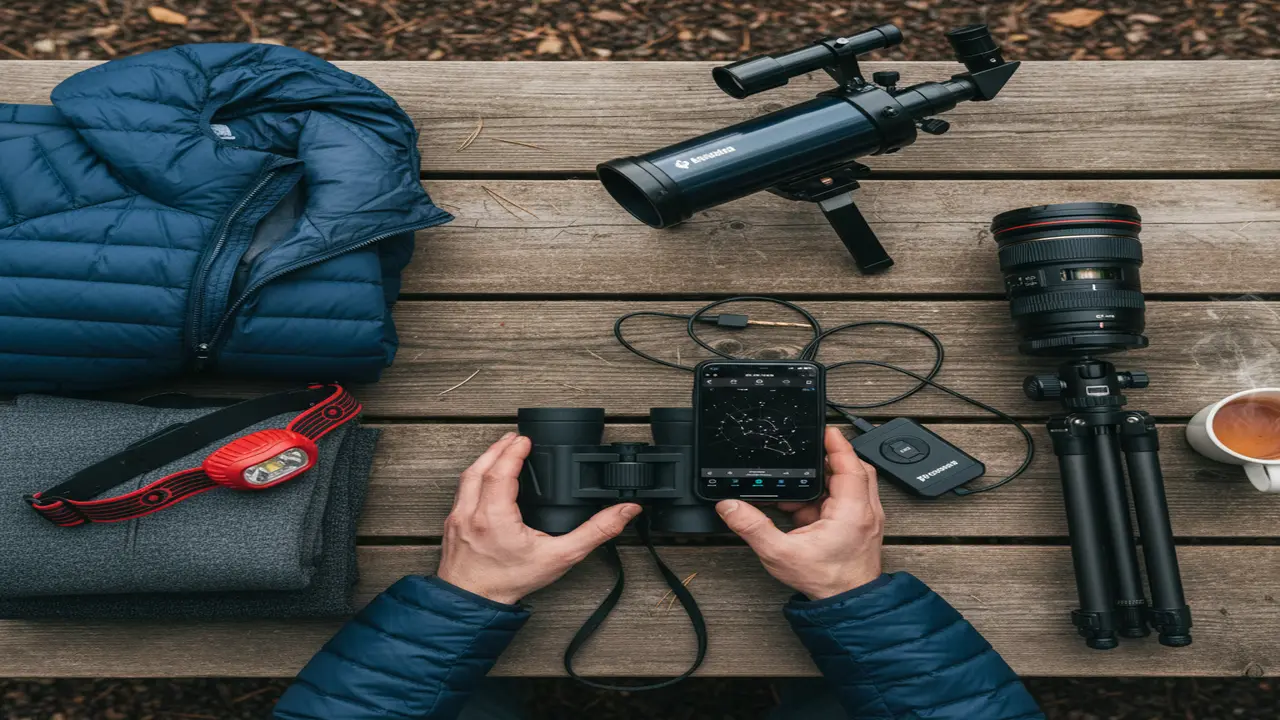
Packing the right equipment ensures comfort, safety, and the best viewing or photography experience:
- Lighting: Red-light headlamp or flashlight to preserve night vision. Pack spare red LED wine glasses or clip-on filters for regular torches.
- Clothing: Insulated jackets, base layers, windproof shells, gloves, and warm hats. Desert nighttime temperatures can drop below freezing—layering is essential.
- Optics: Portable telescope (e.g., 90–120 mm refractor), quality binoculars (10×50 or 15×70), and star diagonal for comfortable viewing. A Dobsonian mount provides stability for larger apertures.
- Camera Equipment: DSLR or mirrorless body with full-frame or APS-C sensor, wide-angle lens (14–24 mm, f/2.8 or faster), sturdy tripod, remote shutter release or intervalometer, extra batteries, and memory cards. Consider a portable power bank or solar charger for multi-night shoots.
- Apps and Software: Stellarium , SkySafari, and Star Walk for real-time sky mapping. Use Heavens-Above or Night Skies for satellite and ISS pass predictions. Windy.com and Clear Outside provide cloud cover overlays.
- Navigation and Safety: Offline maps, GPS device or smartphone with offline topo maps, first-aid kit, multitool, and emergency beacon (SPOT, Garmin inReach).
Responsible Travel and Conservation
Protecting dark skies requires thoughtful, low-impact practices. As a visitor, you can:
- Use only red-filtered lights—avoid white or blue LED sources that scatter widely and disrupt local wildlife.
- Respect lighting ordinances—turn off any unnecessary lights, and keep flashlights pointed down when hiking or setting up camp.
- Stay on designated trails and campsites to minimize habitat disturbance and erosion.
- Pay conservation fees, join volunteer clean-up efforts, or participate in nocturnal wildlife surveys to give back to the host communities.
- Educate fellow travelers about the impacts of light pollution and encourage responsible behavior at every opportunity.
Astrophotography Tips
Capturing the night sky blends technical skill with creative vision. Follow these best practices:
- Aperture: Shoot wide open (f/2.8 or faster) to maximize light intake. Keep edge softness in mind—some lenses perform better stopped down slightly to f/4.
- ISO: Start around ISO 1600–3200. Higher ISO yields brighter images but increases noise—use test shots to find your camera’s sweet spot.
- Shutter Speed: Apply the 500 rule (500 divided by focal length) to avoid star trails. For example, at 20 mm, 500/20 = 25 seconds. Use longer exposures on a tracking mount if you wish to freeze individual stars.
- Composition: Incorporate foreground elements—silhouetted trees, rock formations, or buildings—to provide scale and narrative depth. Scout your location at dusk to plan framing.
- Focus: Manually focus using live view and maximum zoom on a bright star or distant light. Use a Bahtinov mask if available to achieve critical sharpness.
- Post-Processing: Shoot in RAW for maximum dynamic range. In Lightroom or Photoshop, enhance contrast, adjust white balance to a neutral tone, apply noise reduction, and use layer masks to balance sky and foreground exposures. Consider stacking multiple frames with software like Sequator or DeepSkyStacker to improve signal-to-noise ratio and bring out faint details in nebulae and star clusters.
Enhancing Your Celestial Experience
Beyond staring upward, there are countless ways to deepen your connection to the night sky:
- Daytime Excursions: Pair stargazing with sunrise hikes, cultural site visits, birdwatching, or wildlife safaris. A well-rounded itinerary keeps energy levels balanced for late-night sessions.
- Astronomy Festivals & Star Parties: Join events like Astronomy on Tap, local star parties, or annual gatherings at major dark sky parks. These festivals often feature guest lectures, equipment exhibitions, and group observing sessions.
- Constellation Study: Learn major star patterns—Big Dipper, Orion’s Belt, Cassiopeia—before your trip. Download printable star charts or use mobile apps in demo mode to practice at home.
- Citizen Science: Participate in projects like Globe at Night or Audubon’s bird migration tracking by submitting observations directly from the field.
- Observation Journal: Keep notes of sky conditions, object visibility, personal reflections, and sketches. Over time, you’ll chart seasonal changes and witness celestial events with increasing familiarity.
Conclusion
Dark sky travel offers an unparalleled union of adventure, science, and conservation. By selecting certified sites, planning around celestial cycles and weather patterns, packing thoughtfully, and practicing responsible low-impact travel, you can immerse yourself in the universe’s grandeur while supporting local ecosystems and communities. Whether you’re an amateur astronomer mapping deep-sky objects, a photographer chasing the perfect Milky Way panorama, or a curious explorer seeking wonder, the night skies await.
Start planning your dark sky adventure today—reserve your campsite, download your star charts, and prepare to witness the cosmos in its most authentic, unfiltered form. The stars have stories to tell; all you have to do is look up.
FAQ
1. What are Dark Sky Destinations?
Dark Sky Destinations are protected areas with minimal light pollution where the night sky remains highly visible. These locations are often certified by the International Dark-Sky Association. They are ideal for astronomy, photography, and romantic getaways inspired by a Couples Travel Guide experience under natural starlight.
2. Why should I visit Dark Sky Destinations?
Visiting Dark Sky Destinations helps you reconnect with nature, see the Milky Way clearly, and support environmental conservation. It also adds a magical touch for couples looking to follow a Couples Travel Guide focused on unique and romantic experiences.
3. What is the best time to visit Dark Sky Destinations?
The best time is during the new moon phase when the sky is darkest. Tools like NASA moon phase calendars help plan trips. Many travelers using a Couples Travel Guide prefer winter or dry seasons for clearer skies.
4. Are Dark Sky Destinations good for couples?
Yes, they are perfect for couples. Stargazing together creates a peaceful and emotional experience, making Dark Sky Destinations a top choice in modern Couples Travel Guide itineraries.
5. Which are the most popular Dark Sky Destinations in the world?
Some famous sites include:
- Atacama Desert
- Aoraki Mackenzie International Dark Sky Reserve
- Cherry Springs State Park
These are globally recognized Dark Sky Destinations often featured in astronomy and Couples Travel Guide plans.
6. What should I pack for Dark Sky Destinations travel?
Bring warm clothes, red-light flashlights, binoculars, and a camera. Many Couples Travel Guide travelers also pack blankets and snacks for romantic stargazing at Dark Sky Destinations.
7. Can I take photos at Dark Sky Destinations?
Yes, these locations are ideal for astrophotography. A tripod, DSLR camera, and wide-angle lens are recommended. Dark Sky Destinations are often used in Couples Travel Guide photography tours.
8. Are Dark Sky Destinations safe for tourists?
Yes, most are located in national parks or protected reserves with visitor facilities and guided programs. Always follow park rules while enjoying Dark Sky Destinations as part of a Couples Travel Guide adventure.
9. How do Dark Sky Destinations help the environment?
They reduce light pollution, protect nocturnal wildlife, and promote energy efficiency. Organizations like the UNESCO support awareness of preserving natural night skies, which is important for sustainable Dark Sky Destinations tourism.
10. Do I need special permits to visit Dark Sky Destinations?
Some Dark Sky Destinations require camping or photography permits, especially during star parties or peak seasons. Many Couples Travel Guide itineraries include pre-booked stays to avoid restrictions.
11. What activities can couples do at Dark Sky Destinations?
Couples can enjoy stargazing, astrophotography, night walks, and guided astronomy tours. This makes Dark Sky Destinations one of the most romantic experiences in any Couples Travel Guide.
12. How can I find Dark Sky Destinations near me?
You can use maps from the International Dark-Sky Association or astronomy apps like Stellarium. These tools help travelers discover nearby Dark Sky Destinations, especially useful when planning a Couples Travel Guide trip.