



Dark Sky Destinations: The Ultimate Stargazing Travel Guide
Introduction
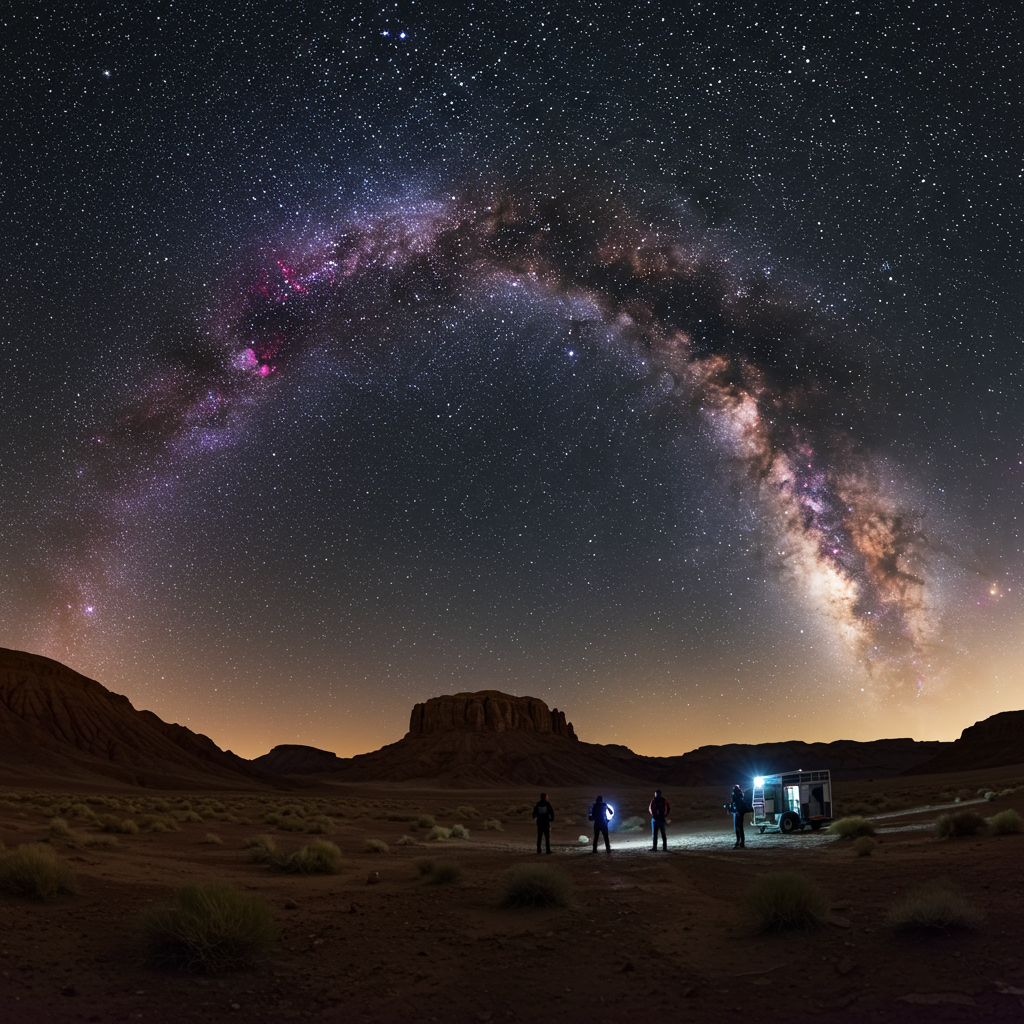
Astronomy enthusiasts and casual night-sky admirers alike are rediscovering the magic of unpolluted darkness. Modern cities emit so much stray light that more than 80 percent of the world’s population lives under skies obscured by glow, according to the International Dark-Sky Association (IDA). By traveling to remote areas certified for low light pollution, visitors can once again behold the Milky Way’s river of stars, watch satellites glide across the firmament, and even glimpse faint nebulae with the naked eye. This guide will help you plan an unforgettable stargazing holiday, from choosing top-rated dark sky reserves and timing your trip to selecting the right gear and practicing eco-friendly observing habits.
What Is Dark Sky Travel?
Dark sky travel, sometimes called astro-tourism, revolves around visiting places where night-time lighting is strictly managed or naturally minimal. The IDA, UNESCO, and certain national park systems certify or designate areas based on measured sky brightness and community commitment to preserving darkness. Visitors to these sites enjoy:
- Superb naked-eye viewing of the Milky Way, star clusters, and meteor showers
- Access to guided astronomy programs led by experts
- Opportunities for astrophotography without urban glare
- Educational experiences on light pollution and conservation
Whether you’re peering through a backyard telescope or simply lying on a blanket under a constellation-filled sky, dark sky destinations offer immersive celestial experiences.
Top Dark Sky Destinations Around the World
Below are eight of the most celebrated dark sky sites, each offering unique landscapes, facilities, and seasonal highlights. All have received official dark sky status from the IDA, UNESCO, or national agencies.
1. Aoraki Mackenzie International Dark Sky Reserve, New Zealand
Situated in the South Island’s Mackenzie Basin, this 4,300 km² reserve boasts some of the darkest skies in either hemisphere. Clear, dry air and minimal summer rainfall create outstanding Milky Way views from September through April. At Mount John Observatory, you can join guided star tours or try your hand at astrophotography. Nearby luxury lodges often include starlit dining experiences. Learn more at the IDA: https://www.darksky.org/our-work/conservation/idsp/reserves/aoraki-mackenzie/
2. Jasper National Park Dark Sky Preserve, Canada
Canada’s first designated dark sky preserve spans 10,878 km² of the Rocky Mountains. Jasper hosts an annual Dark Sky Festival each October, complete with telescope stations, moonlit hikes, and lectures by professional astronomers. The park’s elevation and cool, clear autumn nights make it ideal for observing meteor showers like the Orionids in late October. For visitor details, see Parks Canada: https://www.pc.gc.ca/en/pn-np/ab/jasper/activ/astronomie-astronomy
3. Atacama Desert, Chile
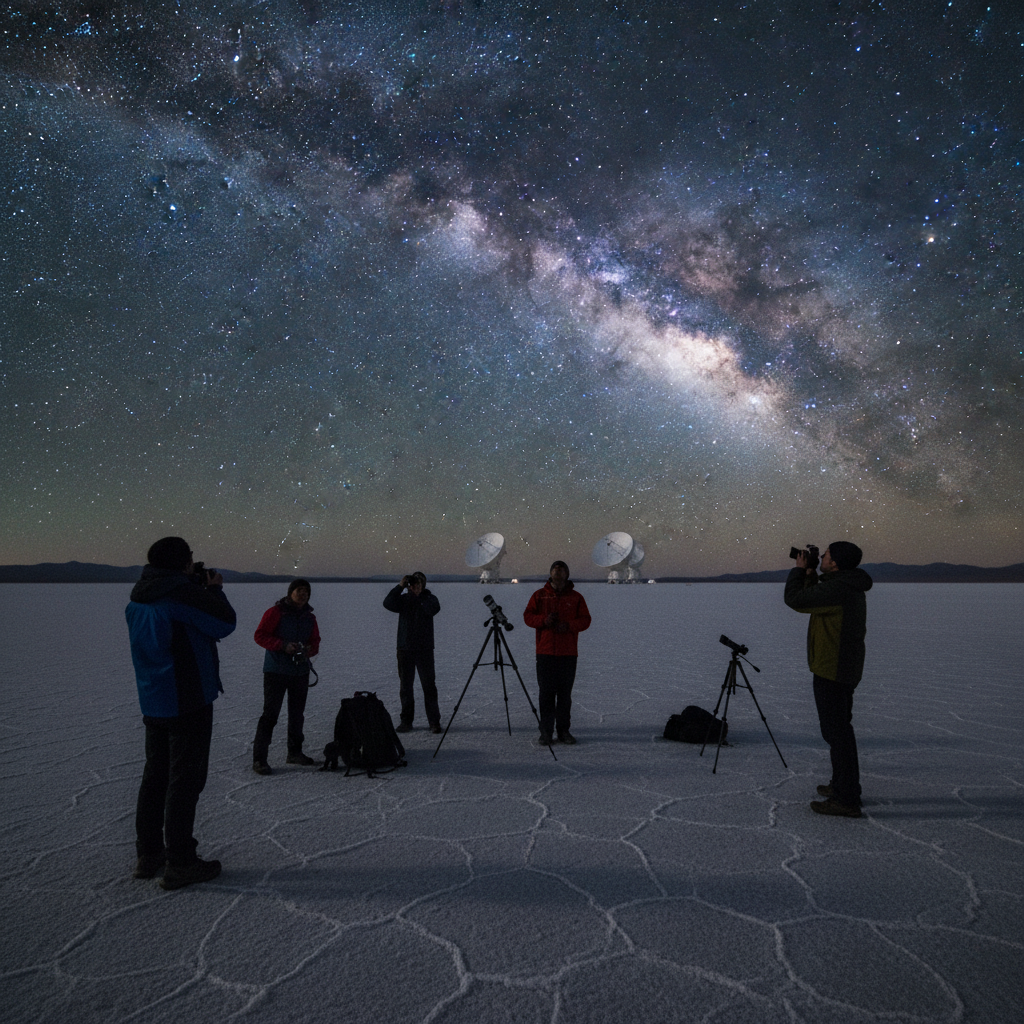
One of the driest places on Earth, the Atacama Desert offers unrivaled clarity and altitude above 2,400 meters. Home to world-class observatories such as ALMA and Cerro Paranal, it’s also welcoming to amateur stargazers. Tour operators arrange sunset drives into the salt flats, evening sessions with high-power binoculars, and talks by professional astronomers. For general visitor info, consult the Chilean National Tourism Service: https://chile.travel/en/where-to-go/northern-chile/atacama-desert
4. Death Valley National Park, USA
As the largest national park in the contiguous United States, Death Valley’s remote location and stringent lighting rules allow deep-dark conditions throughout the year. Summer and early autumn are best for Milky Way galactic core viewing, while cooler months are ideal for constellations and meteor showers. The National Park Service offers ranger-led night programs. Details: https://www.nps.gov/deva/planyourvisit/stargazing.htm
5. NamibRand Nature Reserve, Namibia
Africa’s first International Dark Sky Reserve covers over 2,000 km² of desert and dunes. The reserve’s volunteer guides lead guests on 4×4 excursions, dune-top sundowners, and late-night biometric talks on nocturnal wildlife. With zero urban centers nearby, you’ll experience stunning southern hemisphere sights such as the Small and Large Magellanic Clouds. Reserve info: https://namibrand.org/
6. Exmoor National Park, United Kingdom
Protected since 2011 as the UK’s first International Dark Sky Reserve, Exmoor features ancient moorland and rugged coastline. Community groups host summer dark sky festivals, and local B&Bs provide red-filtered porch lights to help preserve after-dark darkness. On clear nights, you can easily spot the Andromeda Galaxy and the Pleiades cluster with the naked eye. Park details: https://www.exmoor-nationalpark.gov.uk/enjoying/stargazing
7. Teide National Park, Tenerife, Spain
At 2,400 meters above sea level, Teide’s volcanic summit rises above low-lying clouds, providing impeccable sky clarity. Tenerife’s UNESCO Biosphere Reserve status extends to excellent stargazing programs run by both local guides and the Instituto de Astrofísica de Canarias. When planning, remember that high-altitude conditions may require acclimatization. Visitor info: https://www.webtenerife.co.uk/explore-what-to-do/nature-parks/teide-national-park/
8. Sagarmatha National Park, Nepal
Best known for Mount Everest, this UNESCO World Heritage site also protects vast stretches of unpolluted Himalayan skies. High-altitude lodges at Namche Bazaar and Everest Base Camp offer evenings dedicated to star talks, traditional Sherpa storytelling, and views of winter Milky Way stars. Trekking operators often include portable telescopes for guest use. Park info: https://whc.unesco.org/en/list/120
When to Go: Seasonal and Celestial Highlights
• Milky Way Season: In the Northern Hemisphere, late April through early October is prime time for observing the bright galactic core, peaking between June and August. In the Southern Hemisphere, February to October yields spectacular Milky Way vistas.
• Meteor Showers: Plan around major annual showers such as:
- Perseids (mid-August)
- Geminids (mid-December)
- Quadrantids (early January)
- Eta Aquariids (early May)
Check the Royal Astronomical Society calendars: https://ras.ac.uk/ and moon phase charts to schedule around new-moon periods for darker skies.
• Lunar Cycles: Avoid full moons, which can wash out fainter stars and nebulae. Target nights within one week of the new moon for ideal darkness.
Essential Stargazing Gear and Apps
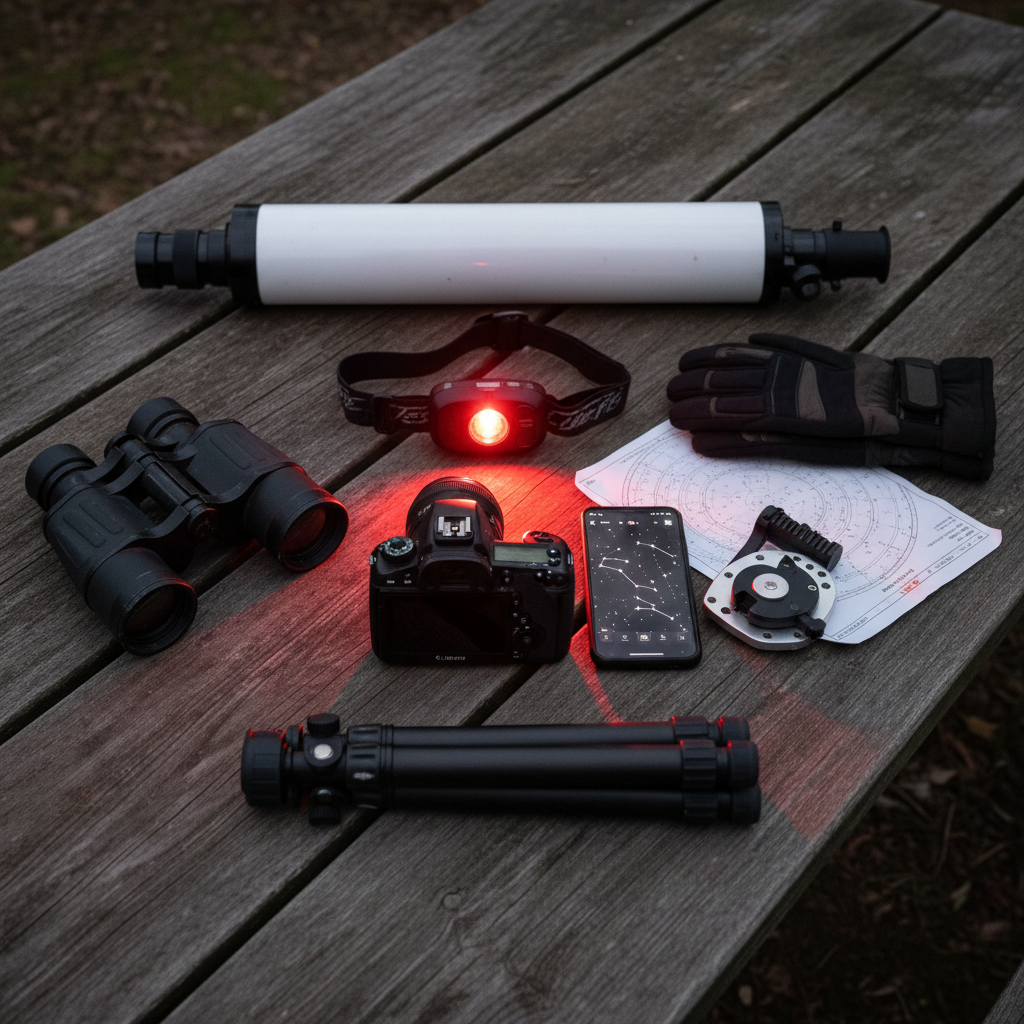
Even a minimalist setup can enhance your astronomical adventure. Recommended items include:
- Red-light headlamp or flashlight – preserves night vision (see IDA lighting tips: https://www.darksky.org/light-pollution/)
- Smartphone astronomy apps – Stellarium Mobile, SkySafari, or Star Walk for real-time sky maps and object identification
- Binoculars or portable telescope – 7×50 binoculars are lightweight yet powerful; entry-level Newtonian or Maksutov telescopes suit beginners
- DSLR or mirrorless camera with tripod – wide-angle lenses (14–24 mm) and manual settings for long-exposure astrophotography
- Star tracker mount (optional) – compensates for Earth’s rotation in long exposures
- Layered clothing and insulated gear – nights can be surprisingly cold, especially at high altitudes
- Physical star chart – as a backup when devices lose power
Eco-Friendly and Responsible Stargazing
Dark sky reserves rely on both visitor cooperation and community policies. Follow these best practices:
- Use low-glare, shielded lights with red or amber filters
- Keep noise to a minimum to protect nocturnal wildlife (biologists warn that artificial noise can disrupt animal navigation: https://www.nationalgeographic.com/)
- Remain on marked paths and camping areas to avoid trampling fragile habitats
- Dispose of waste properly—pack out what you pack in
- Support local dark sky initiatives through donations or volunteer events
Planning Your Dark Sky Adventure
1. Choose Your Experience
– Guided tours with astronomers vs. independent camping
– Luxury eco-lodges offering night-time programs vs. basic backcountry sites
2. Book Early
Premium dates—especially around meteor showers and festivals—sell out quickly.
3. Check Health and Safety
– For high-altitude sites (Teide, Sagarmatha), allow 1–2 days for acclimatization
– Carry altitude sickness medication if recommended by your doctor
4. Consider Local Culture and Regulations
– Respect indigenous or rural community rules regarding light and noise
– Obtain necessary permits for national parks or protected areas
5. Combine Day and Night Activities
– Pair stargazing with hiking, wildlife photography, or cultural tours to maximize value
Conclusion
Traveling to certified dark sky destinations reconnects us with a fundamental human experience: gazing into the cosmic expanse above. By selecting a protected area, timing your visit for peak celestial events, arming yourself with the right gear, and practicing responsible light-use habits, you’ll enjoy breathtaking night skies while helping preserve these unique environments for future generations. Whether you’re standing beneath the Southern Cross in Namibia or tracking the Perseids over Canada’s Rockies, a dark sky adventure promises unforgettable moments under a tapestry of stars.