



Dark Tourism Demystified: A Responsible Traveler’s Guide to Haunting Historical Destinations
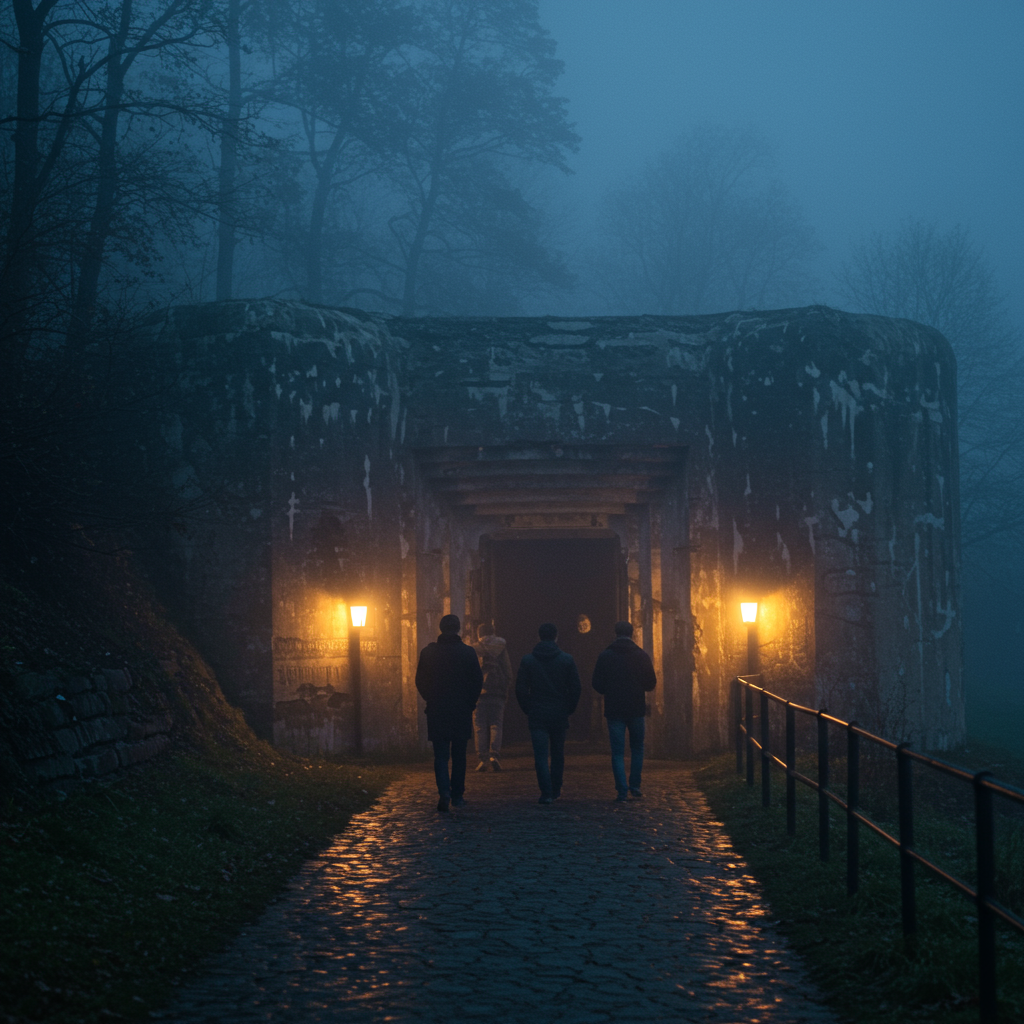
Dark tourism—sometimes called tragic tourism or grief tourism—invites travelers to step into the physical spaces where history’s most harrowing chapters unfolded. From World War II bunkers and battlefields to sites scarred by natural disasters or human rights abuses, these destinations carry the weight of collective memory. While sensational headlines often portray dark tourism as morbid curiosity, a more nuanced approach reveals opportunities for education, empathy, and cultural preservation. This guide will equip you with ethical frameworks, careful planning tips, and suggested itineraries to help you explore responsibly.
Origins and Academic Perspectives
The term “dark tourism” was popularized by cultural geographers John Lennon and Malcolm Foley in their 2000 book Dark Tourism: The Attraction of Death and Disaster. They classified sites along a spectrum ranging from “dark camps” (former execution grounds, concentration camps) to “dark fun factories” (horror-themed amusement parks). Since then, scholars have developed more nuanced typologies: Stephen J. Page describes a spectrum of motives including education, remembrance, thrill-seeking, and pilgrimage (Routledge, 2005).
Academic research from institutions like the United Nations World Tourism Organization (UNWTO) highlights the role of dark tourism in sustainable cultural heritage management. According to the UNWTO Tourism for Development framework, responsible dark tourism can support local economies, foster global dialogue on human rights, and fund preservation efforts.
Ethical Framework for Dark Tourism
Visiting sites of tragedy requires a conscientious mindset. Here are four guiding principles to ensure your journey honors victims and educates future generations:
- Respect Over Curiosity: Approach every location with solemnity. Avoid loud behavior or selfie-seeking that detracts from an atmosphere of remembrance.
- Contextual Learning: Read historical accounts, memoirs, and scholarly articles before your trip. For instance, survivors’ testimonies archived at the U.S. Holocaust Memorial Museum provide invaluable personal context for Holocaust sites.
- Community Engagement: Whenever possible, hire local guides, purchase tickets through official channels, and donate to on-site preservation trusts. These contributions sustain preservation and empower descendant communities.
- Privacy and Dignity: Refrain from photographing individuals without permission and avoid graphic imagery. If signage prohibits cameras, respect the rule.
Planning Your Responsible Journey
Detailed preparation mitigates ethical and safety risks. Follow these steps to craft an informed itinerary:
- Historical Research: Utilize trusted sources such as government archives (e.g., National Archives Catalog) and peer-reviewed journals (e.g., Journal of Heritage Tourism).
- Permits & Regulations: Check visa requirements, local permissions, and UNESCO guidelines for protected sites (World Heritage Centre).
- Health & Safety Assessment: Some destinations—like former war zones or nuclear exclusion areas—carry physical hazards. Review up-to-date advisories from the Centers for Disease Control and Prevention (CDC) or local health ministries.
- Local Contacts: Secure the phone numbers of regional embassies, guide services, and emergency responders. Keep a paper copy in a waterproof folder.
Top 10 Dark Tourism Experiences Around the World
Below are select destinations that exemplify the breadth of dark tourism—from industrial tragedy and genocide to sites of epidemic and environmental disaster.
Auschwitz-Birkenau Memorial and Museum, Poland
Once the largest Nazi death camp, this preserved complex serves as a powerful memorial and educational center. Official site: auschwitz.org.
Chernobyl Exclusion Zone, Ukraine

Venture into Pripyat and witness the haunting remains of the 1986 nuclear accident. Book guided tours that comply with Ukrainian regulations: chernobylwel.com.
Ground Zero / National 9/11 Memorial & Museum, USA
A site of collective mourning and reflection, the twin reflecting pools and museum chronicle the events and personal stories of September 11, 2001. Details: 911memorial.org.
Robben Island Prison, South Africa
Famous for imprisoning Nelson Mandela and anti-apartheid activists, the island offers guided tours led by former inmates. Reserve via robben-island.org.za.
Pompeii Archaeological Park, Italy
Buried by Mount Vesuvius in A.D. 79, Pompeii’s preserved ruins reveal tragic human stories frozen in ash. Visit the official site: pompeiisites.org.
Tuol Sleng Genocide Museum, Cambodia
The former S-21 prison of the Khmer Rouge, now a stark museum honoring victims of 1975–79. Learn more: tuolsleng-genocidemuseum.org.
Sedlec Ossuary (Bone Church), Czech Republic

Artists used over 40,000 human skeletons to create decorative fixtures. This macabre chapel outside Prague challenges visitors to reflect on mortality. Info: sedlec-ossuary.com.
Hiroshima Peace Memorial Park, Japan
Honoring the victims of the world’s first atomic bomb attack on August 6, 1945. Official UNESCO listing: whc.unesco.org/en/list/775.
Eastern State Penitentiary, USA
Once the world’s most famous prison, now an eerie ruin highlighting early penal reform. See details at easternstate.org.
Slave Castle Forts, Ghana
Forts like Cape Coast and Elmina anchor the narrative of the trans-Atlantic slave trade. Support local heritage efforts: whc.unesco.org/en/list/34.
Health, Safety, and Environmental Precautions
Certain dark tourism sites pose risks ranging from radiation exposure to structural instability. Follow these guidelines:
- Radiation & Chemical Hazards: In exclusion zones like Chernobyl, always stay with accredited guides, wear dosimeters, and avoid off-trail excursions. Consult the International Atomic Energy Agency safety protocols.
- Structural Dangers: Abandoned mines, old prisons, and ruined battlefields may feature unstable floors or hidden wells. Wear sturdy boots, carry a helmet, and verify restricted areas.
- Health Risks: For remote sites, pack a comprehensive travel health kit. Check recommended vaccinations via the World Health Organization.
- Environmental Impact: Adhere to Leave No Trace principles. Avoid littering, respect wildlife, and follow official trails to prevent site degradation.
Responsible Photography and Digital Sharing
While photographs can document history and raise awareness, they also carry ethical responsibilities. Keep these rules in mind:
- Observe posted signage—if photography is prohibited, do not override the rule.
- Avoid graphic close-ups of human remains or personal artifacts.
- If sharing on social media, include educational captions and link to authoritative sources to prevent misinformation.
- Seek permission before photographing staff, surviving witnesses, or fellow visitors.
Reflective Practices and Advocacy
A truly meaningful dark tourism experience does not end when you leave the site. Consider these steps to extend its impact:
- Journaling & Creative Expression: Write down emotional reactions, research new questions that arose, or sketch site layouts in a travel journal.
- Educational Outreach: Share your experiences with community groups, schools, or through a blog, always centering respect and accuracy.
- Support Memorial Initiatives: Donate to local foundations maintaining museums or monuments. You might also volunteer for digital archiving projects.
- Policy Engagement: Advocate for heritage protection and human rights by contacting relevant governmental or international bodies (e.g., UNESCO, human rights NGOs).
Sample 7-Day Dark Tourism Itinerary
For those seeking a structured route, here is a sample week-long itinerary spanning Europe’s profound memorials and ruins. Adjust travel pace and rest days to suit your comfort.
- Day 1–2: Poland
Morning at Auschwitz-Birkenau; afternoon visit to the Polish Museum of the Auschwitz Camp Memorial.
Evening reflection at the Auschwitz Jewish Center (ajcf.org). - Day 3: Czech Republic & Germany
Morning at Sedlec Ossuary; drive to Dresden for a survey of WWII bombing ruins.
Evening talk with local heritage preservationists. - Day 4: Czech Republic & Poland border
Explore Gross-Rosen concentration camp site (gross-rosen.eu), then cross into Poland’s war cemeteries in Lower Silesia. - Day 5: Germany
Guided tour of Buchenwald Memorial near Weimar; attend survivor testimony session. - Day 6: Italy
Day trip to Pompeii Archaeological Park; interact with archaeologists at on-site study centers. - Day 7: France
Visit the Normandy landing beaches and Caen Memorial Museum (museedeconflits.fr) to close the week with WWII reflections.
Conclusion
Dark tourism can transform passive sightseeing into active remembrance. By embracing rigorous research, ethical guidelines, and environmental stewardship, you become more than a visitor—you are a steward of collective memory and a catalyst for education. Whether you find yourself standing before silent bunkers or wandering through solemn memorials, your mindset and actions shape how these places are preserved and understood. Travel with responsibility, travel with respect, and carry forward the lessons of history for generations to come.
For more resources on dark tourism best practices, explore the UNWTO’s official website, consult the ICOMOS charters on heritage conservation, or review recent studies in the Journal of Heritage Tourism.