


The Ultimate Guide to Hidden Hot Springs

Introduction
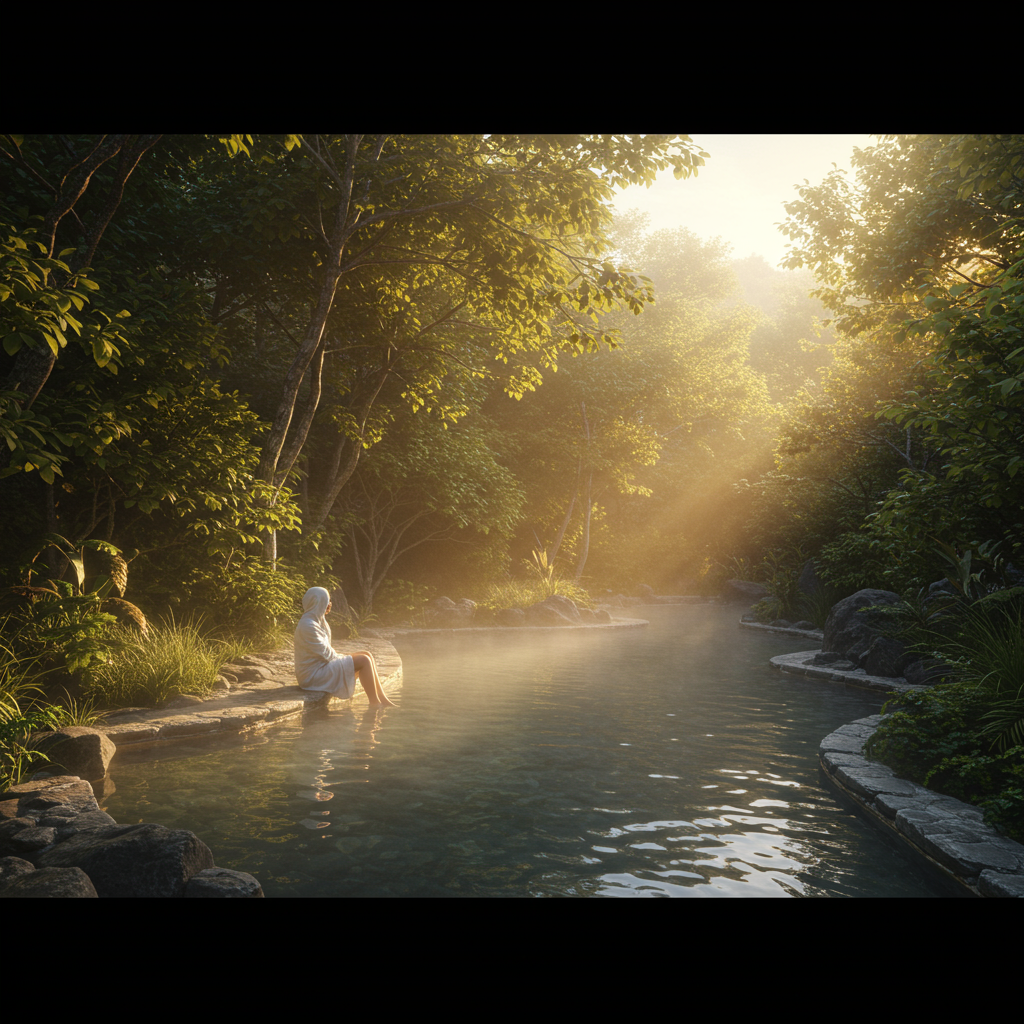
Imagine immersing yourself in water heated by the Earth’s inner workings, surrounded by misty valleys, jagged peaks, or lush forests. Natural hot springs captivate travelers with a unique blend of relaxation and exploration that no resort pool can match. The steamy vapors rising from mineral-rich water create an otherworldly ambiance—a meditative haze that softens muscle tension and clears the mind. These geothermal wonders—water warmed deep underground by magma chambers—offer therapeutic benefits backed by science, spectacular scenery, and a chance to unplug from digital life. Whether you’re soaking at sunrise as mist drifts over a crystalline pond or stargazing in a secluded mountain basin under a velvet sky, hot springs deliver moments of pure serenity and sensory delight.
This comprehensive guide provides everything you need to plan an unforgettable hot springs adventure: insider tips for uncovering little-known pools, a curated list of secret thermal spots worldwide, health advantages supported by research, practical planning advice, safety guidelines, and eco-conscious travel strategies. From seasoned onsen aficionados seeking Japan’s hidden ryokans to first-time thermal travelers craving a desert oasis, prepare to dive into Earth’s warm embrace with confidence, curiosity, and respect for these fragile ecosystems. So pack your swimsuit, lace up your hiking boots, and let’s embark on a journey through nature’s most inviting spa.
Understanding Geothermal Hot Springs
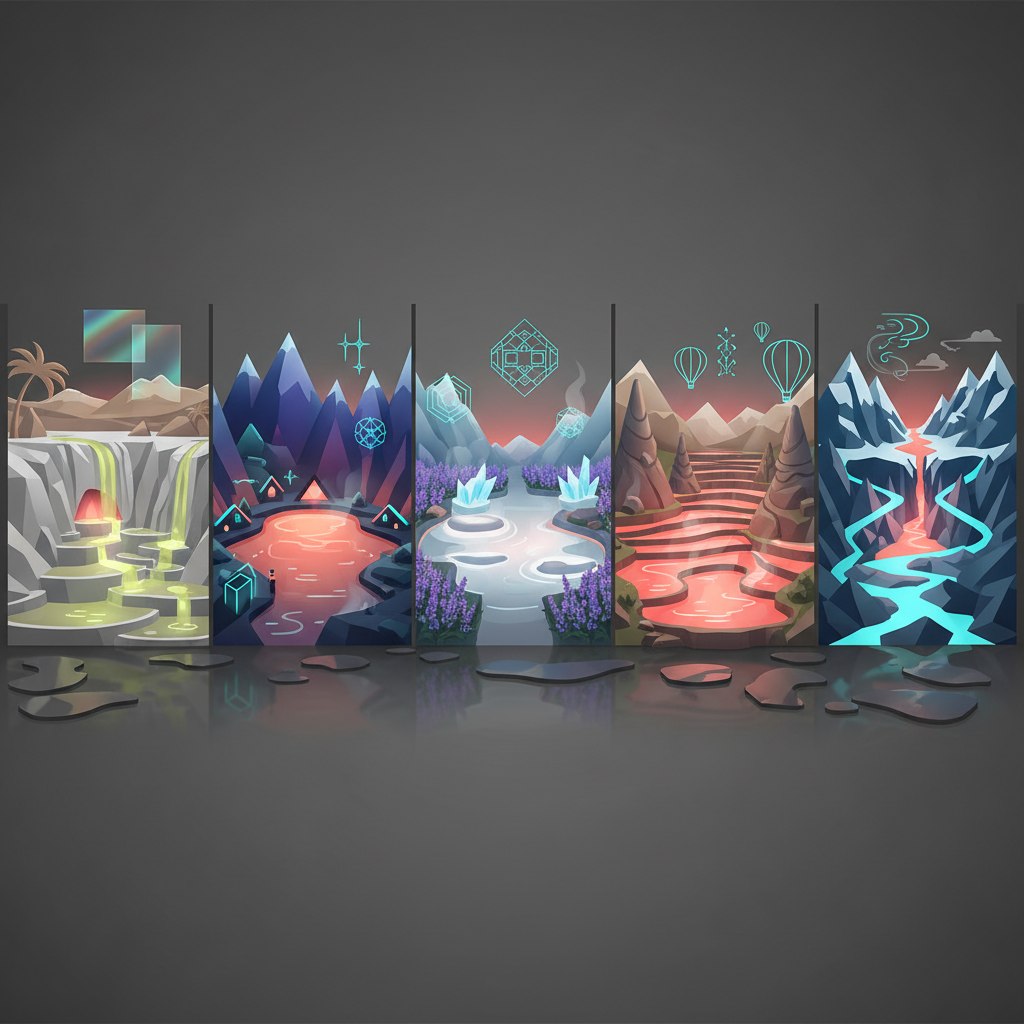
Geothermal springs emerge where groundwater seeps deep into the Earth’s crust, becomes superheated near magma chambers, and resurfaces carrying a cocktail of dissolved minerals—silica, sulfur, magnesium, iron, and more. According to the U.S. Geological Survey (https://www.usgs.gov/), over 500 documented hot springs dot the U.S. alone, but thousands more exist worldwide, from the volcanic fields of Iceland to the thermal valleys of Japan and the Andes. Each spring is unique: some glow sapphire-blue from high silica content, while iron-rich waters produce red or amber hues. Temperature ranges span from a gentle 90°F (32°C) up to scalding geysers exceeding 200°F (93°C).
Mineral composition and heat levels influence both the sensory experience and therapeutic effects. Silica-rich pools often feel silky on skin and can help smooth fine lines, while sulfur springs may relieve eczema or psoriasis by regulating skin flora and reducing inflammation. Warmth provides hydrotherapy benefits—buoyancy eases joint pressure, heat soothes muscle spasms, and vasodilation boosts circulation. A 2017 World Health Organization report (https://www.who.int/) indicates regular soaking can decrease stress hormone levels, alleviate chronic pain, and support cardiovascular health. Understanding these geological and physiological dynamics equips you to choose the perfect spring for relaxation, healing, or simple awe at Earth’s geothermal power.
How to Discover Hidden Hot Springs
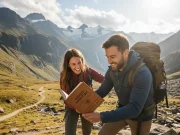
Popular thermal parks fill up fast, especially during peak seasons. To uncover secluded springs where you might have the water to yourself, arm yourself with a combination of digital tools, local knowledge, and adventurous spirit:
- Topographic & Geological Maps: Use USGS topo maps or geological surveys to pinpoint fault lines, volcanic vents, and ancient lava flows. Google Earth’s 3D terrain view can reveal hidden basins.
- Online Communities: Browse adventure forums like Reddit’s r/HotSprings, regional Facebook hiking groups, or specialized blogs for firsthand tips. Many enthusiasts share GPS waypoints and updated access conditions.
- Trail & GPS Apps: AllTrails, Gaia GPS, and OpenStreetMap often list unofficial spur trails leading to remote pools. Download offline maps before heading into areas with limited service.
- Official Park Resources: National Park Service (https://www.nps.gov/), provincial parks, and forest service websites provide permit requirements, trail closures, and seasonal water flows. Always confirm before you go.
- Local Guides & Outfitters: Certified guides can grant access to unmarked springs and share cultural context, ensuring safe passage through private lands or sensitive habitats.
Combining these resources helps you piece together a dependable route to springs off the beaten path. Remember to respect landowners’ rules, obtain necessary permits, and share minimal digital footprints to protect these natural wonders.
Top 12 Off-the-Radar Thermal Gems
From desert canyons to alpine meadows, these lesser-known springs reward intrepid travelers with solitude, scenic grandeur, and unique mineral profiles.
- Sulphur Creek Pools, California, USA
Hidden beneath white shale cliffs in Death Valley National Park, these cascading tubs range from 98°F–105°F (37°C–41°C). The 3-mile hike follows a narrow desert wash, offering stark rock formations and panoramic views at golden hour. - Secret Lagoon (Galtür), Austria
A family-run oasis in the Tyrolean Alps. Reserve an evening slot to soak as lanterns illuminate steaming water against snow-capped peaks. Nearby spa facilities include massage pavilions and alpine herbal treatments (https://www.lechzuers.com/). - Cerro Prieto, Baja California, Mexico
Perched above the saline Sea of Cortez, this spring releases hot steam into desert air, creating eerie fog banks. Access requires a 4×4 excursion from Puerto Peñasco—camp under the stars to avoid daytime crowds. - Mahuilpué Springs, Chile
In the Andean foothills near Lake Rupanco, these terraced ponds offer thermal relief amid lenga forests. Water temps hover around 100°F (38°C). Check conservation rules with Chile’s National Forest Corporation (https://www.conaf.cl/). - Sirocco Pools, Iceland
A serene alternative to the Blue Lagoon. Off-road tracks from Route 42 lead to blue-green waters fringed by native lupine fields. Best visited at sunset for pastel-drenched skies. - Cālatasu Hot Pools, Turkey
Sandstone terraces near Cappadocia hold iron-rich springs at 102°F (39°C). Pair your soak with a sunrise hot-air balloon flight over fairy-chimney landscapes (https://whc.unesco.org/en/list/357). - Crestone Hotsprings, Colorado, USA
Three primitive tubs in the Sangre de Cristo Wilderness. Hikers must carry in all supplies and secure permits via the Rio Grande National Forest (https://www.fs.usda.gov/). Water flows are strongest after afternoon thaws. - Jwala Devi Springs, India
High in the Himalayas, bubbles of warm water emerge from fissures revered by pilgrims. Cultural protocols require modest swimwear and respectful silence. Nearby temples host seasonal ceremonies. - Javari River Warmpools, Brazil
In Amazon tributaries near Manaus, seasonal floods carve out warm eddies along sandy banks. Paddle upstream at low water for secluded natural jacuzzis amid rainforest calls. - Geysir Valley Ponds, New Zealand
Beyond Rotorua’s main attractions, a rugged 4WD track leads to isolated geotherms near Waiotapu Thermal Wonderland (https://www.doc.govt.nz/). Expect vivid mineral crusts in yellow and orange hues. - Waihola Hot Pools, New Zealand
Southern Alps foothills feature mud-coated springs beside native bush. Access requires a moderate 2-hour hike and booking a basic campsite in advance to preserve solitude. - Guelman-Kishlak, Kyrgyzstan
High-altitude turquoise rivulets feed into mountain crevices at 8,000 ft. Trekking routes include overnight yurt stays and nomadic hospitality—ideal for adventurers craving rustic authenticity.
Health Benefits Backed by Science
Hydrothermal therapy combines heat, buoyancy, and minerals to deliver a host of wellness benefits:
- Muscle Relaxation: Warm water reduces muscle spasm, improves elasticity, and accelerates recovery after intense workouts (Journal of Physiotherapy, 2018).
- Improved Circulation: Heat-induced vasodilation enhances blood flow and oxygen delivery to tissues, supporting cardiovascular health (American Journal of Physiology, 2016).
- Pain Relief: Minerals like magnesium, sulfate, and calcium can ease arthritic and rheumatic discomfort by modulating inflammation (Clinical Rheumatology, 2019).
- Stress Reduction: A 20-minute soak can lower cortisol levels, boost endorphins, and promote mental calm—effects noted in WHO hydrotherapy guidelines (2017).
- Skin Therapy: Sulfur springs help regulate microbial flora, reduce eczema flare-ups, and clear acne by soothing inflamed skin (Dermatology Reports, 2020).
- Respiratory Support: Inhaling steam rich in sulfur compounds may alleviate chronic sinusitis and bronchial congestion when practiced regularly.
Integrating periodic geothermal soaks into your wellness routine can complement physical therapy, meditation practices, and spa treatments. Always consult a healthcare provider if you have cardiovascular issues or uncontrolled hypertension before embarking on regular hot spring visits.
Practical Planning Tips
Seasonal Timing
High-altitude springs often close under heavy snow from November through April, while desert geothermal zones can exceed 115°F (46°C) on summer afternoons. Contact local ranger stations or park officials for current trail and access reports.
Permits & Regulations
Many natural springs lie within protected wilderness or cultural heritage sites. Secure day-use or overnight permits (e.g., U.S. Forest Service: https://www.fs.usda.gov/permits), and note gender-specific or clothing-optional rules at traditional bathing sites.
Gear Checklist
- Quick-dry microfiber towel and compact travel robe.
- Thermal footwear or neoprene socks for rocky shorelines.
- Refillable water bottle with electrolytes to prevent dehydration.
- Headlamp, pocket stove, and lightweight cookware for backcountry camping.
- Waterproof phone pouch and dry bag for electronics.
Accommodation Options
Choose from backcountry campsites (book permits in advance), eco-lodges powered by solar and using organic bedding, or traditional Japanese ryokans offering kaiseki dinners and gender-separated onsen (https://www.japan.travel/).
Safety & Respectful Etiquette
- Pre-Soak Shower: Rinse off lotions, sunscreen, and detergents to safeguard microbial communities.
- No Soap In Pools: Avoid soaps, shampoos, or bath oils that disrupt water chemistry and harm wildlife.
- Temperature Check: Use your hand or foot to test shallow edges—ideal soak temps range from 97°F–104°F (36°C–40°C).
- Hydration: Drink water before and after bathing; prolonged exposure to heat can cause dehydration or dizziness.
- Slippery Surfaces: Algae and biofilms create slick rocks—wear grip-soled footwear and use trekking poles for stability.
- Cultural Protocol: Respect local customs—some springs require modest attire, others permit nude bathing. Observe silence in sacred sites and follow posted signage.
- Leave No Trace: Pack out all trash, including biodegradable scraps, to keep springs pristine for future visitors.
Sustainable Hot Springs Travel
Preserving these geothermal gems requires mindful travel:
- Follow Leave No Trace principles (https://lnt.org/)—stay on trails, camp in established sites, and respect wildlife.
- Use reef-safe sunscreens and eco-friendly insect repellents to prevent chemical runoff.
- Support local conservation efforts—volunteer with NGOs, donate to watershed restoration projects, or participate in guided clean-ups.
- Choose eco-conscious accommodations that employ renewable energy, source local food, and minimize plastic waste.
- Share responsibly—if you publish GPS data or photos online, avoid revealing precise locations of sensitive springs under threat of overuse.
Sample 7-Day Itinerary
Day 1: Arrive in Reykjavik, Iceland. Unwind at an off-peak spa drawing from the same aquifer as the Blue Lagoon. Sample local fare in geothermal-heated greenhouses.
Day 2: Rent a 4×4 and follow the Ring Road’s south coast. Detour to Sirocco Pools at sunset for pastel skies and lupine blooms. Camp beside black-sand beaches near Vík.
Day 3: Venture inland to Landmannalaugar. Hike rhyolite hills, bathe in a hidden river tub, and stargaze in clear high-altitude air. Prepare for rapidly changing weather.
Day 4: Fly to Fairbanks, Alaska. Book an aurora-viewing evening at Chena Hot Springs Resort, where outdoor tubs blend into snow-capped vistas.
Day 5: Drive the Richardson Highway to Tolovana Hot Springs. Pack a tent and headlamp for primitive camping near natural roadside pools.
Day 6: Return to Fairbanks. Explore the ice museum, then revisit Chena’s mineral baths for a sunrise soak followed by a gourmet breakfast.
Day 7: Reflect on your thermal journey en route home—journal insights, sort photographs, and plan your next spring-seeking odyssey.
Conclusion
Exploring the world’s hidden hot springs is more than a travel hobby—it’s a sensory pilgrimage that reconnects you with Earth’s fiery heart. From secluded desert oases to alpine cradles and rain-forest river bends, each spring offers a unique blend of geology, culture, and therapeutic allure. Armed with mapping techniques, a handpicked list of thermal gems, science-backed health benefits, savvy planning tips, and sustainable travel practices, you’re ready to embark on your own secret soak expedition. Respect local traditions, tread lightly, and savor every steamy moment as nature’s warmth envelops you. Happy soaking and may your journeys lead you to steam-rising pools hidden in the world’s most breathtaking landscapes!