Imagine stepping onto a beach where the only footprints belong to you, where the roar of the city vanishes, and each sunrise is a private spectacle over crystal-clear waters. In today’s digital landscape, travelers increasingly seek authentic escapes that reconnect them with nature and offer a respite from crowded resorts. Secluded island escapes deliver just that: remote shores hugged by lush forests, hidden coves waiting to be discovered, and limited visitor numbers that preserve the untouched beauty of the landscape. Whether you dream of snorkeling above vibrant coral gardens, kayaking through secluded lagoons, or simply losing yourself in the serenity of white-sand beaches, these remote destinations promise unforgettable moments.
This article will guide you through the allure of secluded island escapes, showcasing top paradises around the globe, offering practical tips for planning and packing, and outlining sustainable practices to protect these fragile environments. You’ll learn how to choose accommodations that blend comfort with environmental responsibility, explore off-the-beaten-path activities, and stay safe while traveling far from mainstream facilities. Drawing on insights from NOAA and the UNESCO World Heritage Centre, we’ll also explore how conservation efforts shape visitor experiences. By the end, you’ll be ready to craft your own secluded island itinerary and make the most of your off-the-grid adventure this year (2026).
From the sapphire hues of the Caribbean to volcanic cliffs of the mid-Atlantic, each secluded island escape reveals unique landscapes and rich cultural traditions. Embracing this kind of travel means trading crowded boardwalks for private beach picnics and shared open-air meals with local hosts instead of tourist buffets. As you prepare to disconnect from the ordinary, remember that true adventure lies in the unexpected delights of remote locales. Join us as we uncover the hidden gems and essential strategies that will transform your off-the-grid getaway into a journey of a lifetime.
Why Opt for Secluded Island Escapes?
In a world saturated by overcrowded resorts and predictable itineraries, choosing a secluded island escape offers a chance to rediscover the joy of unhurried exploration and genuine solitude. When you venture to a remote shoreline, you step into an environment where nature remains largely unspoiled, wildlife thrives without interference, and cultural traditions continue unaltered by mass tourism. The appeal of secluded island escapes lies not only in their pristine beaches and hidden reefs but also in the freedom to craft your own rhythm—whether that involves sunrise yoga on a deserted sandbank, long hikes through untouched jungles, or nights spent stargazing under a canopy of infinitesimal phosphorescent dots.
Unlike popular beach resorts that can feel like theme parks, remote islands often enforce strict visitor limits and sustainable zoning rules to protect ecosystems. This approach ensures that every visitor contributes to conservation rather than degradation, and it means you are more likely to find entire stretches of coastline all to yourself. Imagine paddling through clear mangrove channels without the drone of motorboats or snorkeling above coral gardens teeming with biodiversity, free from the swirl of large tour groups. Such experiences foster a deeper appreciation for marine and terrestrial habitats and highlight the importance of responsible travel habits in the era of environmental awareness championed by institutions such as the National Oceanic and Atmospheric Administration.
Secluded island escapes also open doors to meaningful cultural exchanges. Many of these destinations feature small, tight-knit communities where hospitality feels personal and unhurried. You might share freshly caught seafood prepared by local families or learn traditional crafts passed down through generations. Because visitor numbers are limited, hosts can dedicate more attention to each guest, resulting in immersive experiences like private island tours guided by elder residents or intimate cooking classes using foraged ingredients. Supporting community-run lodges and artisan cooperatives ensures that tourism dollars stay in the local economy, preserving heritage and promoting sustainable livelihoods.
For wildlife enthusiasts and adventure seekers alike, secluded islands represent a living laboratory of natural wonder. You can track rare bird species in dense woodlands, observe sea turtles nesting on moonlit beaches, or spot pods of dolphins gliding alongside your boat at dawn. Each island’s geological history—from volcanic formations to coral atolls—adds a distinct layer of discovery, whether you are exploring hidden lava tubes or marveling at underwater caves illuminated by shafts of sunlight. Ultimately, the combination of privacy, conservation ethos, and cultural authenticity makes secluded island escapes a compelling choice for travelers seeking more than just a vacation this year (2026).
Beyond physical activities and cultural immersion, secluded island escapes can have a profound impact on mental well-being. The absence of crowds and the soothing rhythm of ocean waves create an ideal setting for reflection, mindfulness, and creative inspiration. Many travelers report that unplugging from devices and embracing the simplicity of island life leads to reduced stress, improved focus, and a renewed sense of purpose. Some destinations even offer wellness retreats that combine yoga, meditation, and spa treatments using local natural ingredients such as coconut oil, volcanic clay, and aromatic herbs.
In today’s digital landscape, where notifications and deadlines dominate, taking time to disconnect amidst nature’s grandeur is more essential than ever. Remote island escapes encourage us to slow down, listen to the unbroken chorus of birdsong, and feel the gentle sway of a hammock under rustling palm leaves. Whether your goal is to spark creativity, strengthen bonds with loved ones, or simply find peace, these hidden gems provide a canvas for custom-tailored experiences that redefine what it means to truly get away. By privileging sustainability and low-impact exploration, you contribute to the preservation of these magical enclaves, ensuring they remain as enchanting for future travelers as they are today.
Exploring the World’s Most Remote Island Paradises
Each of these hidden gems exemplifies the allure of secluded island escapes, where authentic beauty and unspoiled wilderness converge.
Caribbean’s Hidden Gems: The Exumas, Bahamas
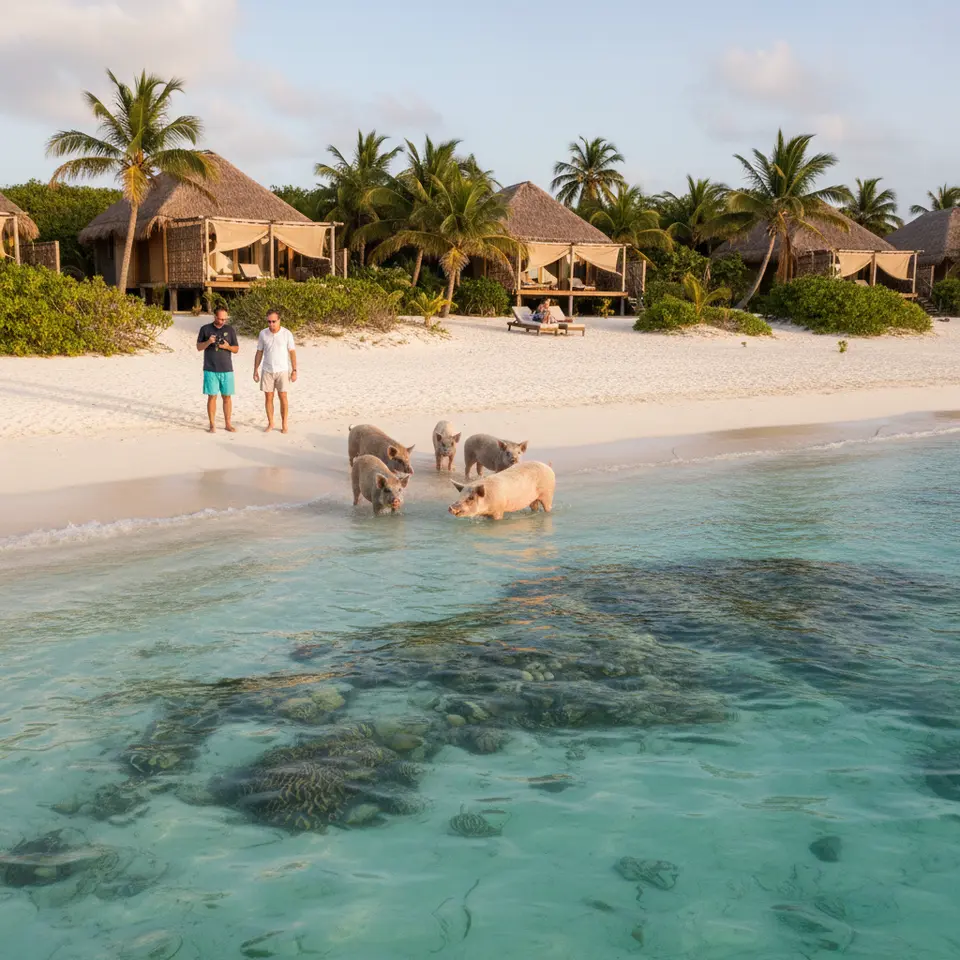
In the turquoise sweep of the Bahamas lies the Exumas archipelago, an assembly of over 365 cays that exemplify the allure of secluded island escapes. Here, powdery white sands merge seamlessly with clear shallows, allowing you to stroll for miles without encountering crowds. Unique inhabitants like the famous swimming pigs of Big Major Cay create playful surprises, while underwater realms teem with vibrant coral gardens ideal for small-group snorkeling. Access is granted via a short flight from Nassau to Great Exuma, followed by boat transfers to private cay resorts and villa enclaves designed to minimize ecological impact.
Pacific Treasures: Marquesas Islands, French Polynesia
The Marquesas Islands, far-flung within French Polynesia, offer a rugged and culturally rich alternative to more touristed archipelagos. Steep volcanic peaks, emerald valleys, and sheer cliffs define this territory of remote beauty. Visitors arrive via inter-island flights from Tahiti, landing on islands such as Nuku Hiva or Hiva Oa, then immerse themselves in ancestral traditions like tiki sculpture and ceremonial dance. Guided treks lead to secret waterfalls hidden in dense courtyards, and eco-lodges perched on hilltops provide sweeping Pacific panoramas. The Marquesas’ seclusion ensures limited services but unparalleled solitude for intrepid explorers.
Indian Ocean Secrets: The Andaman Archipelago, India
India’s Andaman Archipelago, nestled between the Bay of Bengal and Andaman Sea, features a mosaic of secluded beaches, lush jungles, and protected tribal reserves. Little Andaman Island, with its nearly deserted shoreline and verdant rainforest interior, stands out for wildlife watching and serene waterfalls. Marine enthusiasts flock to Havelock Island’s remote dive sites, where vivid reefs support rich biodiversity. Travelers reach Port Blair by air from mainland hubs before hopping on ferries or seaplanes to outer isles. Sustainable guesthouses and eco-resorts often implement eco-fees that fund conservation efforts and respect local customs protecting indigenous communities.
Atlantic Oases: The Azores, Portugal
In the mid-Atlantic, Portugal’s Azores archipelago comprises nine volcanic islands, each cloaked in misty mountains and dotted with crater lakes. While São Miguel draws day-trippers, islands like Corvo and Flores remain blissfully quiet. On Flores, cascading waterfalls pour into secluded natural pools amid verdant greenery, and birdwatchers delight in endemic species such as the azorina bullfinch. Rustic farm stays welcome guests with homemade cheese and honey, immersing visitors in rural island life. The Azores benefit from sustainable tourism policies that enforce building restrictions and promote community-based initiatives, preserving the archipelago’s ecological integrity.
Mediterranean Hideaways: The Maddalena Archipelago, Italy
Off Sardinia’s northern coast, Italy’s Maddalena Archipelago features a national park encompassing seven main islands and numerous islets. Turquoise bays border pink granite cliffs, creating painterly vistas reserved for those willing to explore beyond ferry routes. Quaint fishing villages, pastel-colored homes, and cobbled lanes add cultural charm, while private boat charters enable you to slip into hidden coves and deserted shores. Summer brings warm seas ideal for snorkeling, and shoulder seasons yield cooler temperatures with fewer visitors. Agriturismos and family-run B&Bs specialize in farm-to-table menus, highlighting freshly caught seafood and homemade limoncello.
Preparing for Your Off-the-Grid Journey
In today’s digital landscape, research is the cornerstone of any successful plan for secluded island escapes. Begin by charting transportation routes, which often combine international flights with regional hops or maritime transfers. Major carriers fly to hub airports, but reaching remote cays may require booking small propeller planes or private boat charters months in advance. Check official schedules with local operators, and verify any seasonal changes that could affect availability. Because many secluded islands enforce visitor caps to preserve fragile ecosystems, securing permits and ferry seats early is crucial. Embrace flexible arrangements and build in extra buffer days to accommodate weather-related delays or sudden schedule adjustments.
Optimal timing can transform a journey from challenging to blissful. Although peak travel windows often promise ideal sunshine, they can also coincide with higher prices and fuller accommodations. Conversely, shoulder seasons yield quieter beaches and reduced rates but may include occasional rain showers or choppy seas. Consult regional climate data—such as reports from NOAA—to pinpoint dry spells and wind conditions, and align your trip to avoid monsoon patterns or hurricane alerts. Currently, many remote islands recommend visits during calmer months to minimize transport cancellations and maximize daylight hours for exploration.
Budgeting for a secluded island escape demands a realistic assessment of transportation, lodging, meals, and activities. Airfares to smaller airstrips and sea transfers tend to carry premium price tags since supplies are delivered by boat or plane. To economize, consider package deals offered by eco-resorts that combine accommodation, meals, and guided excursions. Self-catering options or homestays can also lower costs, particularly if you enjoy sourcing fresh produce from local markets. Remember to include visa fees, environmental levies, and unexpected expenses such as gear rentals or medical supplies. Planning with a margin of 20 percent above estimated costs will shield you from financial stress.
Packing efficiently enhances comfort on remote islands where storage can be limited. Focus on lightweight, quick-drying garments, reef-safe sunscreen, and a sturdy pair of water shoes. A reliable daypack with waterproof compartments will protect electronics and essentials, while reusable water bottles and eco-friendly toiletries reduce plastic waste. If you plan to snorkel, bringing your own mask and fins ensures a personalized fit and hygiene. Portable solar chargers, universal adapters, and biodegradable insect repellent are also invaluable when access to power and supplies is limited. By packing mindfully, you uphold sustainability goals and travel light.
Health and safety preparations are essential for truly off-the-grid experiences. Always carry comprehensive travel insurance that covers medical emergencies and evacuation from remote locations. Prepare a first-aid kit stocked with wound care supplies, prescription medications, and remedies for common travel ailments. Research required vaccinations and consult official advisories from government health agencies. Stay informed about local wildlife risks—such as jellyfish or mosquitoes—by engaging with community guides upon arrival. With careful planning and proactive measures, your secluded island escapes this year (2026) will be memorable for their beauty, not unexpected setbacks.
Selecting the Perfect Accommodation and Activities
Choosing Eco-Friendly Lodgings
When planning your secluded island escapes, the choice of accommodation profoundly shapes your overall experience. Eco-friendly resorts and boutique lodges that prioritize renewable energy, water conservation, and minimal-impact architecture are ideal for travelers seeking luxury without compromising environmental integrity. Many properties now offer solar-powered bungalows built from reclaimed materials, composting toilets, and organic gardens that supply farm-to-table meals. Local homestays and community-run guesthouses provide immersive cultural insights while ensuring tourism revenue directly benefits nearby villages. Be sure to review environmental certifications such as Green Globe or EarthCheck, which verify adherence to responsible practices. Opting for low-impact lodgings not only enriches your stay but also safeguards fragile ecosystems that make these retreats so special.
Must-Do Island Experiences
One of the joys of secluded island escapes is the freedom to tailor your itinerary around authentic, small-group activities. Start your mornings with a guided snorkeling excursion to discover vibrant coral reefs and curious marine life, perhaps under the guidance of a marine biologist who can share insights from recent studies. Kayaking through hidden mangrove inlets and birdwatching along tranquil shores reveal landscapes inaccessible by larger vessels. Onshore adventures might include hiking volcanic trails to panoramic viewpoints, exploring ancient petroglyphs, or joining a local fishing expedition that practices catch-and-release methods. Culinary experiences—such as beachside barbecues of freshly grilled fish or hands-on classes teaching traditional recipes—offer a taste of regional flavors and techniques. For wellness-minded travelers, sunrise yoga on a private deck and spa treatments using indigenous ingredients like coconut oil and volcanic clay provide restorative balance between adventure and relaxation.
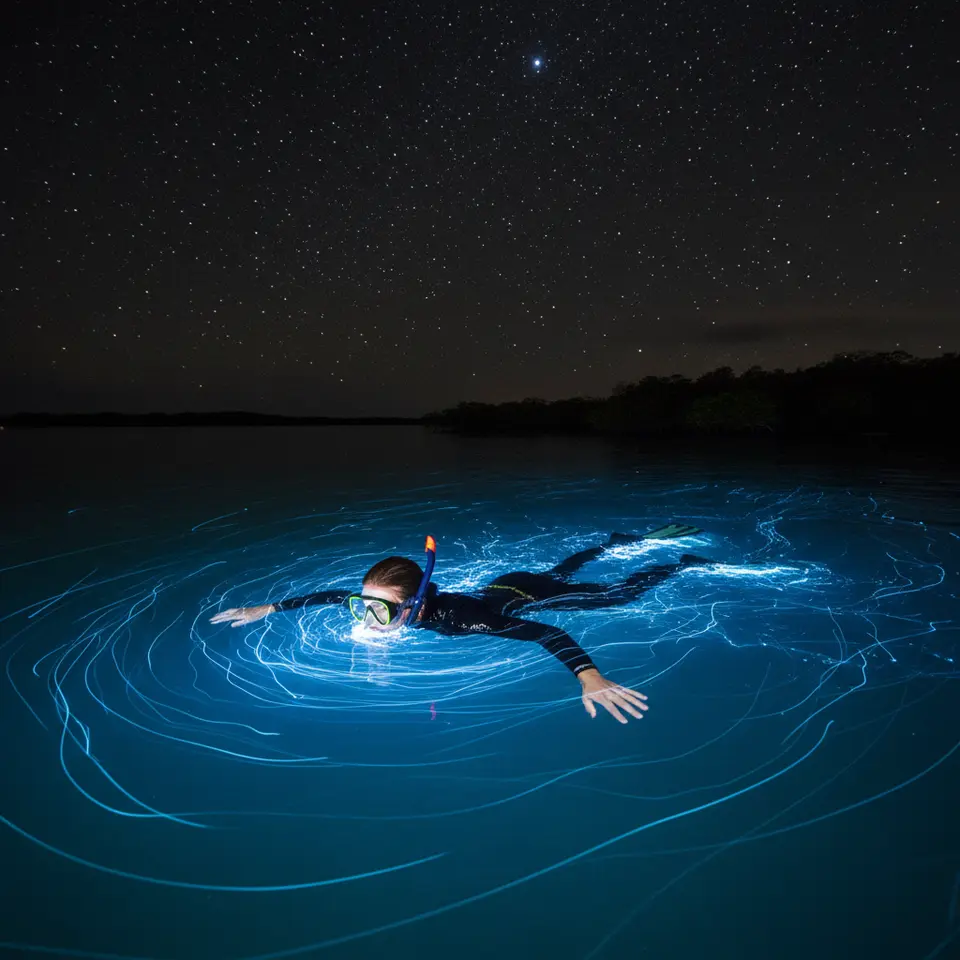
For those drawn to nocturnal wonders, night snorkeling in bioluminescent bays provides a surreal spectacle as plankton glow beneath your paddle strokes. Lucid waters transform into living light shows, revealing patterns that vanish at dawn. Adrenaline seekers can also try stand-up paddleboarding in calm dawn currents or join small-group deep-sea fishing charters targeting species such as grouper, always respecting local catch limits. Many islands host seasonal festivals where music and dance communicate ancestral narratives; attending these gatherings fosters connections and insight into community values. By selecting experiences led by local experts, you ensure your presence enhances rather than disrupts the delicate milieu of these remote paradises.
Finally, photography enthusiasts will find endless inspiration in these untouched settings. From sunrise over jagged coastlines to intimate portraits of island flora and fauna, the low light pollution on remote shores creates optimal conditions for astrophotography. Capture the Milky Way arcing above deserted beaches or time-lapse sunsets that paint the skies in hues of violet and gold. Prioritize workshops with resident photographers who understand the best vantage points and can guide you on sustainable practices to avoid disturbing nesting sites or fragile vegetation. These curated excursions ensure every frame tells the story of your secluded island escape.
Embracing Sustainable Travel and Safety Measures
To preserve the allure of secluded island escapes, travelers must adopt responsible practices that honor both natural habitats and local cultures. The principle of “leave no trace” serves as a foundational guideline: carry out all trash, minimize noise pollution, and resist feeding or approaching wildlife. Using reef-safe sunscreen, avoiding single-use plastics, and packing reusable containers are small actions that reduce environmental footprints. By embodying sustainability, visitors ensure that pristine beaches, coral reefs, and endemic species thrive for generations to come.
Supporting local economies fosters cultural resilience and deepens travel satisfaction. Opt for guides, homestays, and dining options operated by indigenous or island-born residents to guarantee that tourism dollars circulate within the community. Purchase handicrafts directly from artisans instead of souvenir shops, and consider donating to community-led conservation projects that protect critical habitats. This direct engagement not only empowers residents but also enriches your understanding of regional history, traditions, and aspirations.
Respecting cultural norms is essential when exploring secluded shores. Research local customs in advance—such as appropriate attire for sacred sites, photography protocols, and greetings—and follow guidance from community leaders. Many island societies are steeped in ceremony, and adhering to traditional etiquette at festivals or during temple visits demonstrates genuine appreciation. In today’s digital landscape, practicing mindfulness about sharing images on social media and crediting local contributors helps sustain respectful cultural exchange and counters the pitfalls of overexposure.
Third-party certifications help travelers identify operators that prioritize environmental stewardship. Look for eco-labels like Green Globe, EarthCheck, or Rainforest Alliance when booking tours and accommodations. These certifications indicate adherence to rigorous sustainability standards covering energy consumption, water use, waste management, and community benefits. Partnering with accredited providers enhances the credibility of your own travel choices and signals support for industry-wide best practices in sustainable tourism.
Health preparations are crucial for remote island voyages where medical facilities can be limited. Consult a qualified healthcare professional before departure to review recommended vaccinations and obtain supplies such as antimalarial medication or prophylactic antibiotics if needed. Assemble a personal first-aid kit with essentials for wound care, dehydration, and allergic reactions, and include desalination tablets or a portable water purifier to guard against waterborne illnesses. Comprehensive travel insurance that covers emergency evacuation is non-negotiable, ensuring peace of mind amid unpredictable circumstances.
Navigating remote waters and wild terrains demands vigilance. Always check weather forecasts and heed local advisories regarding sea conditions, currents, and rip tides. Wear appropriate life jackets during water activities, and choose guides with proven expertise in navigating local routes. On land, follow marked trails to avoid damaging vegetation and encountering dangerous wildlife. By combining proactive safety measures with respectful environmental and cultural practices, you transform your secluded island escape into an inspiring adventure that endures in memory without harming its surroundings.
FAQ
- When is the best time to visit a secluded island escape?
- Timing depends on the region—shoulder seasons often offer fewer crowds and lower rates, while peak windows promise sunnier weather. Consult regional climate data, such as NOAA reports, to avoid monsoon patterns or hurricane seasons.
- How can I ensure my trip supports local communities?
- Choose homestays, community-run lodges, and locally guided tours. Purchase handicrafts directly from artisans and contribute to conservation levies that fund community projects.
- What should I pack for an off-the-grid island adventure?
- Focus on lightweight, quick-drying clothing, reef-safe sunscreen, water shoes, a waterproof daypack, reusable water bottles, eco-friendly toiletries, and a personal first-aid kit. Consider solar chargers and universal adapters.
- Are eco-resorts truly environmentally sustainable?
- Look for certifications like Green Globe, EarthCheck, or Rainforest Alliance. These verify a resort’s commitment to renewable energy, water conservation, waste management, and community benefits.
Conclusion
Secluded island escapes invite contemporary travelers to step off the beaten path and immerse themselves in landscapes where nature’s rhythms set the pace. From powdery sands that stretch beyond the horizon to coral gardens teeming with marine wonder, these remote retreats offer unmatched serenity and authentic cultural connections. By prioritizing sustainability, choosing locally operated accommodations, and adhering to responsible practices, you not only enrich your personal journey but also contribute to the preservation of these precious environments. Whether seeking solitude, wildlife encounters, or transformative wellness experiences, a remote island adventure fosters profound appreciation for our planet’s diversity.
As you plan your next getaway this year (2026), remember that every decision—from the timing of your visit to the tours you select—shapes the future of these fragile ecosystems and vibrant communities. Embrace the rewards of careful preparation, from securing necessary permits to packing eco-friendly essentials, and prepare to discover sunrise vistas that remain undisturbed by mass tourism. Your secluded island escape awaits, promising moments of pure wonder, deep connection, and the kind of rejuvenation that only genuine solitude can provide.
Pack your sense of curiosity, leave urban distractions behind, and set sail for an adventure where the true luxury is untouched beauty and unhurried discovery.