


Journey to the Fiery Peaks: An Insider’s Roadmap to the World’s Most Spectacular Volcanoes
Introduction
Few natural phenomena evoke as much awe and respectful caution as volcanoes. These towering geological formations remind us of the Earth’s inner dynamism, offering travelers a front-row seat to landscapes sculpted by molten rock, ash plumes, and centuries of eruptions. Whether you seek the ethereal glow of lava lakes, the misty beauty of crater lakes, or the cultural tapestry woven around volcanic peaks, this guide delivers a fresh perspective on eight must-visit volcanoes worldwide. We’ll also cover crucial safety protocols, eco-conscious travel habits, packing essentials, and planning tips—complete with links to authoritative resources for further reading.
1. Mount Vesuvius, Italy: Echoes of Antiquity
Overview: Rising abruptly from the Bay of Naples, Mount Vesuvius is one of Europe’s most infamous volcanoes due to its catastrophic A.D. 79 eruption. Today, its accessible summit rim offers panoramic sea views and a dramatic glimpse into the volcano’s morphology.
Why Go: A two-hour hike on well-maintained trails brings you to the crater’s edge. Along the way, interpretive panels detail past eruptions and Roman history, while the Vesuvius National Park Visitor Center displays artifacts and geological models. Timing your visit during spring or autumn reduces crowding and heat stress.
Planning Resources:
2. Mount Fuji, Japan: Sacred Stratovolcano of the Rising Sun
Overview: At 3,776 meters, Fuji-san is Japan’s highest peak and an enduring symbol of national identity. Recognized as both a cultural and natural UNESCO World Heritage Site, it attracts climbers, pilgrims, and artists alike.
Why Go: The official climbing season (July–September) sees open mountain huts, ample signage, and falling temperatures at night. Four primary trails (Yoshida, Subashiri, Gotemba, and Fujinomiya) vary in difficulty and length; many ascents include an overnight stay to witness the legendary goraikō (sunrise from the summit).
Planning Resources:
3. Arenal Volcano, Costa Rica: Lush Rainforest Meets Lava Flows
Overview: Known for its near-constant glow until 2010, Arenal Volcano (1,670 m) today alternates between quiet dormancy and gentle steaming, surrounded by biodiverse rainforest.
Why Go: Night walks along the old lava flows reveal still-warm rock veins. Hot springs heated by subsurface magma provide soothing relief after trekking. Adventure seekers can zip-line through the forest canopy or raft white-water rapids on the nearby Sarapiquí River.
Planning Resources:
4. Mount Etna, Sicily, Italy: Europe’s Most Active Giant
Overview: Etna towers at over 3,300 m and boasts frequent strombolian and effusive eruptions. Its fertile slopes support vineyards whose volcanic soils impart unique flavors to local wines.
Why Go: Take a cable car or guided 4×4 safari through recent lava fields, then ascend on foot toward the summit. Wine tours in the Alcantara Valley highlight indigenous grape varieties such as Nerello Mascalese. Real-time monitoring data are freely available for visitors to gauge activity levels.
Planning Resources:
5. Mount Bromo, Indonesia: Sea of Sand at Dawn

Overview: Part of the Tengger Massif in East Java, Bromo (2,329 m) is famed for its lunar caldera and the ritual offerings made by the Tenggerese people.
Why Go: Pre-dawn jeep rides to viewpoints such as Penanjakan reward visitors with a fiery sunrise over an otherworldly plain. A short but steep footpath or horse-ride brings you to the crater rim, where sulfur vents emit a faint yellow haze.
Planning Resources:
6. Eyjafjallajökull, Iceland: From Ash Clouds to Adventure Hub

Overview: Eyjafjallajökull’s 2010 eruption famously grounded air traffic across Europe. Today, it draws intrepid travelers to the remote South Coast, combining glacial landscapes with volcanic intrigue.
Why Go: Super-jeep tours navigate crevassed ice, while guided glacier hikes and ice-cave explorations reveal the interplay of volcanic heat and cryospheric ice. Nearby Seljalandsfoss and Skógafoss waterfalls make ideal side trips.
Planning Resources:
7. Pacaya, Guatemala: Stove-Hot Hikes Above Antigua
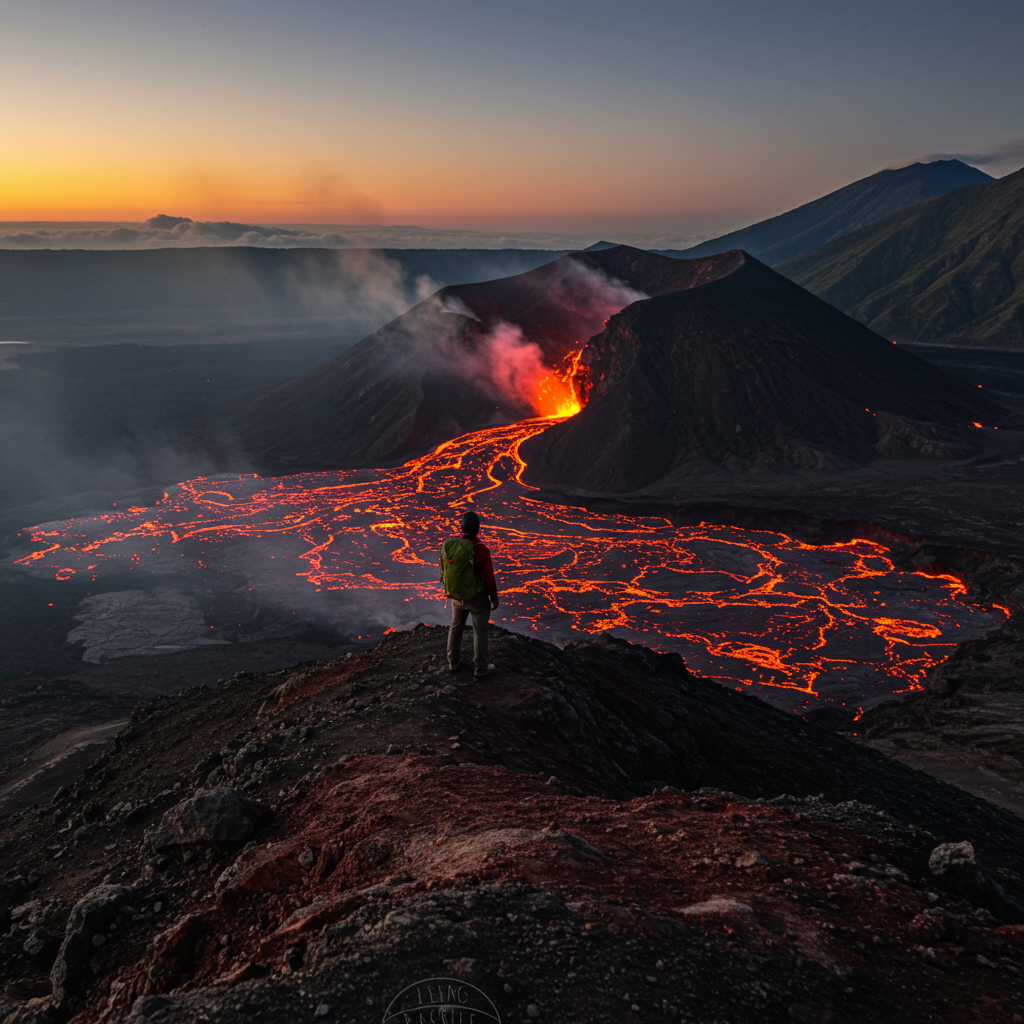
Overview: A short drive from colonial Antigua, Pacaya (2,552 m) remains highly active, with frequent fissure eruptions that allow hikers to approach glowing vents under guided supervision.
Why Go: Early morning treks finish on the volcanic flanks by sunrise, where charcoal-black slopes host impromptu campfires. Toast marshmallows on fumaroles and peer into glowing fissures, all under the watchful eye of certified local guides.
Planning Resources:
8. Mount Ruapehu, New Zealand: Alpine Volcano Adventure
Overview: Crowned by an aquamarine crater lake, Ruapehu (2,797 m) is the highest active volcano in New Zealand and anchors Tongariro National Park’s dramatic alpine scenery.
Why Go: Winter months see snowboarders and skiers on the crater’s slopes; summer opens up the Tongariro Alpine Crossing, rated among the world’s best one-day treks. Guided summit climbs require crampons and ice-axe skills, while lower routes cross steaming vents and sulfur springs.
Planning Resources:
Essential Safety Guidelines
- Hire Local Experts: Certified guides understand microclimates, rock stability, and emergency protocols.
- Monitor Official Alerts: Sign up for updates from government observatories such as the USGS Volcano Hazards Program.
- Carry Protective Equipment: Hard hats, sturdy boots, goggles, dust masks or respirators, and layered clothing for temperature swings.
- Respect Restricted Zones: Fumarole fields and fresh lava flows can shift unexpectedly. Always heed signage and guide instructions.
- Prepare for Altitude: Peaks above 3,000 m demand gradual acclimatization to avoid acute mountain sickness.
Best Times to Plan Your Trip
- Tropical Regions (e.g., Arenal, Pacaya): Visit during the local dry season (November–April) for stable trails and fewer downpours.
- Mediterranean Climates (e.g., Vesuvius, Etna): Aim for shoulder seasons (April–June and September–October) to enjoy mild weather and reduced visitor numbers.
- High-Elevation Summits (e.g., Fuji, Ruapehu): Climb within official windows (mid-summer in Japan; late spring to early autumn in New Zealand) when snowpack is minimal.
Gear and Packing Checklist
- Hiking Boots: Waterproof, ankle support, sturdy tread
- Layered Clothing: Moisture-wicking base layers, insulating mid-layers, wind- and rain-proof outer shell
- Light Source: Headlamp with extra batteries, plus handheld flashlight
- Protective Accessories: Gloves, sun hat, UV-blocking sunglasses, dust mask or ash respirator
- Safety Supplies: Compact first-aid kit, emergency whistle, multi-tool
- Sustenance: Reusable water bottle or hydration bladder, high-calorie snacks
- Photography Tools: Tripod for long exposures, neutral density filters, weather-sealed camera bag
Responsible Volcanic Tourism
- Stay on Marked Trails to prevent erosion and protect native vegetation.
- Pack Out All Waste—organic scraps included—to avoid disrupting wildlife patterns.
- Support Local Economies by booking licensed guides, buying crafts, and dining in family-run eateries.
- Respect Sacred Sites: Observe rituals, photography restrictions, and dress codes.
- Minimize Single-Use Plastics: Refill water bottles and carry reusable snack bags.
Cultural Context and Local Stories
Volcanoes shape nearby communities’ identities. In Guatemala, Pacaya’s eruptions feature in Mayan lore as expressions of deities. On Sicily, villages on Etna’s flanks celebrate harvest festivals honoring the volcano’s life-giving soils. In Japan, Fuji has inspired Shinto pilgrimages, ukiyo-e woodblock prints, and countless poems extolling its symmetry. Engaging with museums, local storytellers, and community centers enriches your volcanic journey with historical depth and human connection.
Photography Tricks for Fiery Terrains
- Stabilize Your Frame with a sturdy tripod to capture molten flows or starry skies.
- Use Neutral Density Filters to slow your shutter without overexposing lava.
- Shoot at Golden Hour when angled light accentuates contours and casts dramatic shadows.
- Protect Your Kit in sealed pouches to ward off abrasive ash and humidity.
- Experiment with Perspectives: Frame summit silhouettes against vibrant skies and include human figures for scale.
Booking and Travel Hacks
- Reserve in Advance: Popular routes (Fuji’s Yoshida trail, Etna summit) often require early permits or hut bookings.
- Research Transfers: Remote trailheads may need 4×4 shuttles, safari jeeps, or local minibuses—check seasonal schedules.
- Build in Buffer Days: Weather can close access at a moment’s notice; extra time allows for acclimatization and alternatives.
- Invest in Specialized Insurance covering volcanic ash disruptions, helicopter evacuations, and high-altitude medical emergencies.
Conclusion
Volcano travel unites the thrill of outdoor adventure with the study of Earth’s most potent forces. By choosing responsible operators, staying informed through credible sources, and honoring host communities’ traditions, you can explore these fiery summits safely and sustainably. From the silent majesty of dormant peaks to the incandescent allure of active craters, each volcano delivers a unique chapter in the grand story of our living planet. Lace up your boots, chart your course, and prepare for an experience that’s as educational as it is exhilarating—one that will leave you forever changed by the power and poetry of fire and stone.