
Every traveler knows the feeling of staring at a flight search engine, wondering if the price will drop tomorrow or skyrocket in an hour. The eternal question for travelers everywhere remains: what is the best time to book flights?
Flight prices are notoriously volatile. They fluctuate based on a complex web of factors, including airline algorithms, seasonal demand, and even the time of day you search. Understanding these variables is the first step toward securing the best possible deal for your next vacation or business trip.
This comprehensive guide will walk you through exactly how airlines price their seats. We will explore proven strategies for domestic and international travel, debunk common industry myths, and share advanced Smart Flight Booking Hacks to help you save money. By the time you finish reading, you will know exactly when to click that “buy” button.
Understanding Airline Pricing Algorithms
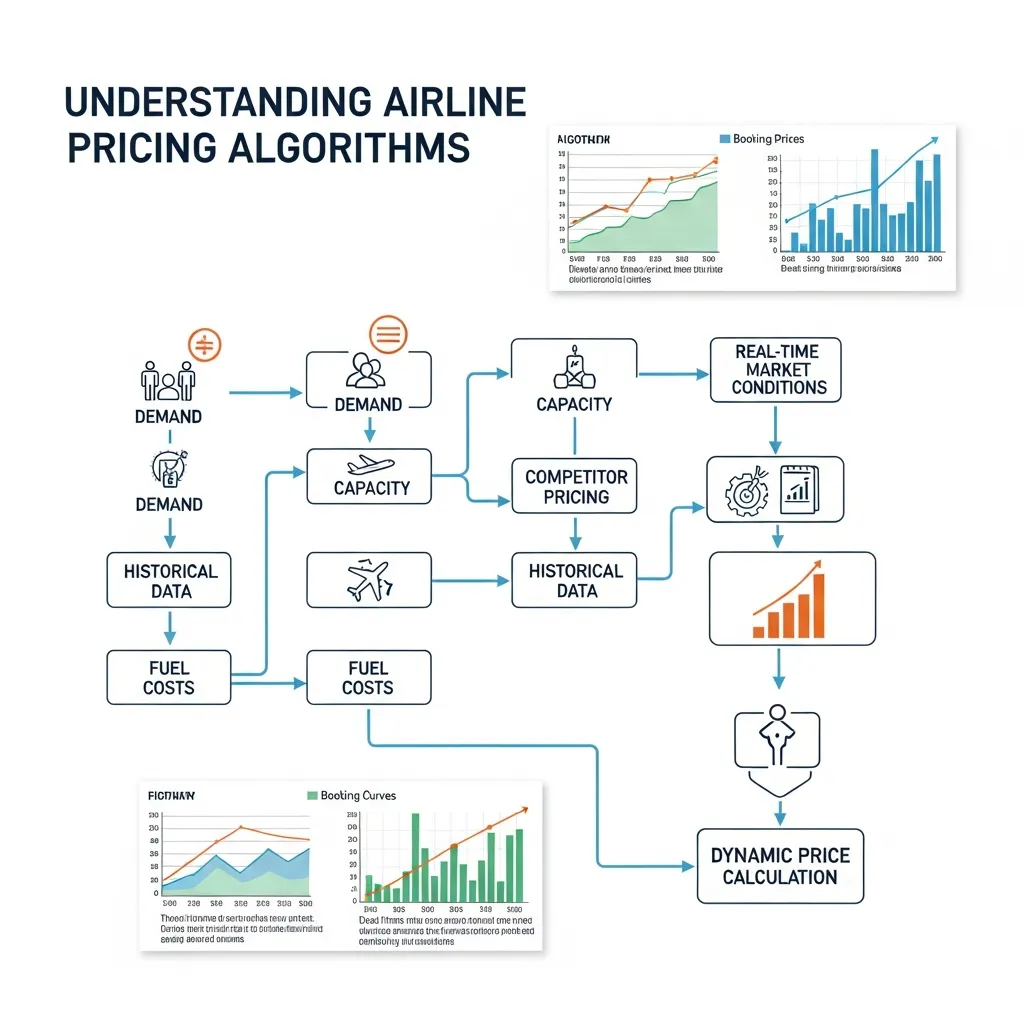
To figure out what is the best time to book flights, you first need to understand how airlines set their prices. The days of fixed ticket costs are long gone.
Dynamic pricing explained
Airlines use sophisticated software to adjust ticket prices in real-time. This system, known as dynamic pricing, relies on complex algorithms that analyze thousands of data points every second. If a flight is selling out faster than expected, the system automatically raises the price for the remaining seats. Conversely, if a flight is practically empty a few weeks before departure, prices might drop to entice budget-conscious travelers.
The role of supply and demand
At its core, flight pricing boils down to basic economics. High demand combined with limited seat supply equals higher prices. Airlines know exactly how many seats they need to sell to turn a profit, and they adjust fares to maximize revenue. When business travelers book last-minute flights, airlines charge a premium because they know these passengers have strict schedules and corporate budgets.
How seasonality and events impact prices
Local events, major holidays, and seasonal shifts drastically impact airline pricing algorithms. A flight to Munich in late September will always cost more due to Oktoberfest. Similarly, flights to tropical destinations spike during the winter months when people want to escape the cold.
The “Golden Window”: When to Book Domestic Flights
For flights within your own country, pricing follows a relatively predictable curve. Booking too early can be just as costly as booking too late.
General recommendations: 1-3 months out
For domestic travel, the consensus among travel experts is that the “golden window” opens about one to three months before your departure date. During this period, airlines begin actively managing their inventory. If you book six months in advance, you might pay a premium because the airline has no incentive to discount seats yet.
Impact of weekdays vs. weekends for booking
Many travelers wonder if searching on a specific day of the week yields better domestic rates. While the exact day you book matters less than it used to, weekend searches sometimes show slightly higher fares due to increased search volume from people planning trips on their days off.
Flexibility as key for optimal pricing
If you want to know what is the best time to book flights, the truest answer is “when you can be flexible.” Shifting your departure or return date by just one or two days can slice your ticket cost in half.
International Adventures: Timing Your Overseas Bookings
Crossing oceans requires a different strategy. International flights represent a larger investment, and airlines manage these routes differently than quick domestic hops.
Longer lead times: 2-8 months recommended
International trips require far more planning, and airlines price these tickets accordingly. You should generally look to book overseas flights between two and eight months in advance. Waiting until the last minute for an international flight almost guarantees you will pay top dollar.
Specific considerations for popular destinations and peak seasons
If you are traveling to Europe during the summer or Japan during cherry blossom season, throw the standard advice out the window. For peak seasons in highly sought-after destinations, you should book as soon as your travel dates are confirmed—often up to ten months in advance.
Booking strategies for multiple travelers
Coordinating a trip for a large group adds another layer of complexity. If you are researching the Best Places for Group Holidays, you need to book early. Airlines rarely have more than a handful of seats available at their lowest fare tier. When you search for six tickets at once, the airline will price all six tickets at the highest tier required to accommodate the group.
The Best Day to Book Flights: Myth vs. Reality

Travel lore is full of supposed “hacks” that promise massive savings. Let us examine the most persistent rumor in the travel industry.
Debunking the “Tuesday myth”
For years, travel blogs insisted that Tuesday at midnight was the absolute best time to buy a plane ticket. This originated from a time when airlines manually loaded their fare sales into booking systems on Monday nights. Today, dynamic pricing algorithms adjust fares constantly. The “cheap Tuesday” booking rule is officially a myth.
Why mid-week might still offer slight advantages
While Tuesday is no longer a magic bullet for booking, mid-week searches can sometimes yield slightly better results. Airlines occasionally launch promotional sales on Tuesdays or Wednesdays.
The importance of monitoring prices constantly
Instead of waiting for a specific day of the week to book, your best strategy is continuous monitoring. Flight prices can change multiple times a day.
The Best Day to Fly: Saving Money on Travel Dates
While the day you book matters very little, the day you actually fly changes everything.
Flying on weekdays (Tuesday, Wednesday, Thursday)
Tuesday, Wednesday, and Thursday are universally the cheapest days to fly. Business travelers usually fly out on Mondays and return on Fridays, while vacationers prefer to maximize their weekends.
Avoiding peak travel days (Friday, Sunday)
Fridays and Sundays are the most expensive days to step foot on an airplane. The demand is at its absolute peak as people rush to start their vacations or hurry home for the workweek.
The cost-saving potential of red-eye flights
If you can sleep on planes, red-eye flights (departing late at night and arriving early the next morning) offer substantial savings. Because they are less desirable for the average traveler, airlines heavily discount these awkward departure times.
The Cheapest Month to Fly: Seasonal Trends
Timing your vacation to align with favorable seasonal trends is a massive money-saver.
Understanding high, low, and shoulder seasons
The travel calendar is divided into three distinct seasons. High season brings the best weather and the biggest crowds. Low season offers terrible weather but massive discounts. Shoulder season—the sweet spot right between high and low—provides decent weather, fewer crowds, and highly competitive flight prices.
Identifying off-peak travel months for various regions
Off-peak months vary entirely by destination. January and February are generally the cheapest months to fly to Europe, as the weather is bitterly cold. Conversely, those same months are peak season for the Caribbean.
How holidays and school breaks affect pricing
Any time children are out of school, flight prices soar. Thanksgiving, Christmas, Spring Break, and the heart of summer are historically the most expensive times to fly anywhere.
Advanced Smart Flight Booking Hacks

Ready to level up your travel game? Here are a few Smart Flight Booking Hacks to help you beat the algorithms.
Using flight comparison sites and price alerts
Never rely on a single airline’s website. Use aggregators to scan the entire market simultaneously. Set up price alerts for your desired routes so the software does the heavy lifting for you.
The power of incognito mode and clearing cookies
While some tech experts debate its effectiveness, many travelers swear by searching for flights in incognito or private browsing mode. The theory is that airlines track your cookies and slightly raise the price if they see you repeatedly searching the same route.
Exploring alternative airports and layovers
Flying into a major hub is usually cheaper than flying into a small regional airport. However, occasionally the opposite is true. Always check the prices for alternative airports within a reasonable driving distance of your final destination.
Considering budget airlines and their nuances
Ultra-low-cost carriers can offer staggering discounts on base fares. Just read the fine print carefully. These airlines charge extra for everything from a carry-on bag to a cup of water.
Loyalty programs and airline credit cards
If you fly more than a few times a year, loyalty programs are essential. Airline-branded credit cards often provide free checked bags, priority boarding, and massive sign-up bonuses that can translate into free flights.
Tools and Resources for Savvy Travelers
Leveraging the right technology makes finding cheap flights much easier.
Google Flights, Skyscanner, Kayak, etc.
Google Flights is incredibly fast and features a flexible calendar view that instantly shows you the cheapest days to fly. Skyscanner is fantastic for finding budget carrier options and allows you to search “Everywhere” if you just want a cheap trip regardless of destination.
Price prediction tools
Apps like Hopper analyze billions of historical flight prices to predict whether your specific route will get cheaper or more expensive. They advise you to either “buy now” or “wait for a better price.”
Newsletter subscriptions for deals
Services like Going (formerly Scott’s Cheap Flights) monitor airline pricing algorithms for mistakes and flash sales. Subscribing to these newsletters sends massive discounts directly to your inbox before the airlines fix their pricing errors.
Synthesizing the Best Time to Book Flights
So, what is the best time to book flights? The answer requires a multi-faceted approach. For domestic trips, aim to book 1-3 months in advance. For international journeys, give yourself a window of 2-8 months. Remember that the day of the week you search matters far less than the actual day of the week you choose to fly. Tuesdays and Wednesdays remain your most budget-friendly departure days. By combining flexible travel dates with continuous price monitoring and a willingness to explore alternative airports, you can consistently secure excellent rates.
Empowering Your Flight Booking Journey

Booking a flight does not have to be a stressful gamble. By understanding how dynamic pricing works and utilizing the right digital tools, you can take control of your travel budget. Start by setting up a few price alerts for a destination you have always wanted to visit. Experiment with flexible date searches, and watch how the fares fluctuate. With a little patience and the strategies outlined in this guide, you are well on your way to exploring the world for a fraction of the usual cost. Safe travels!