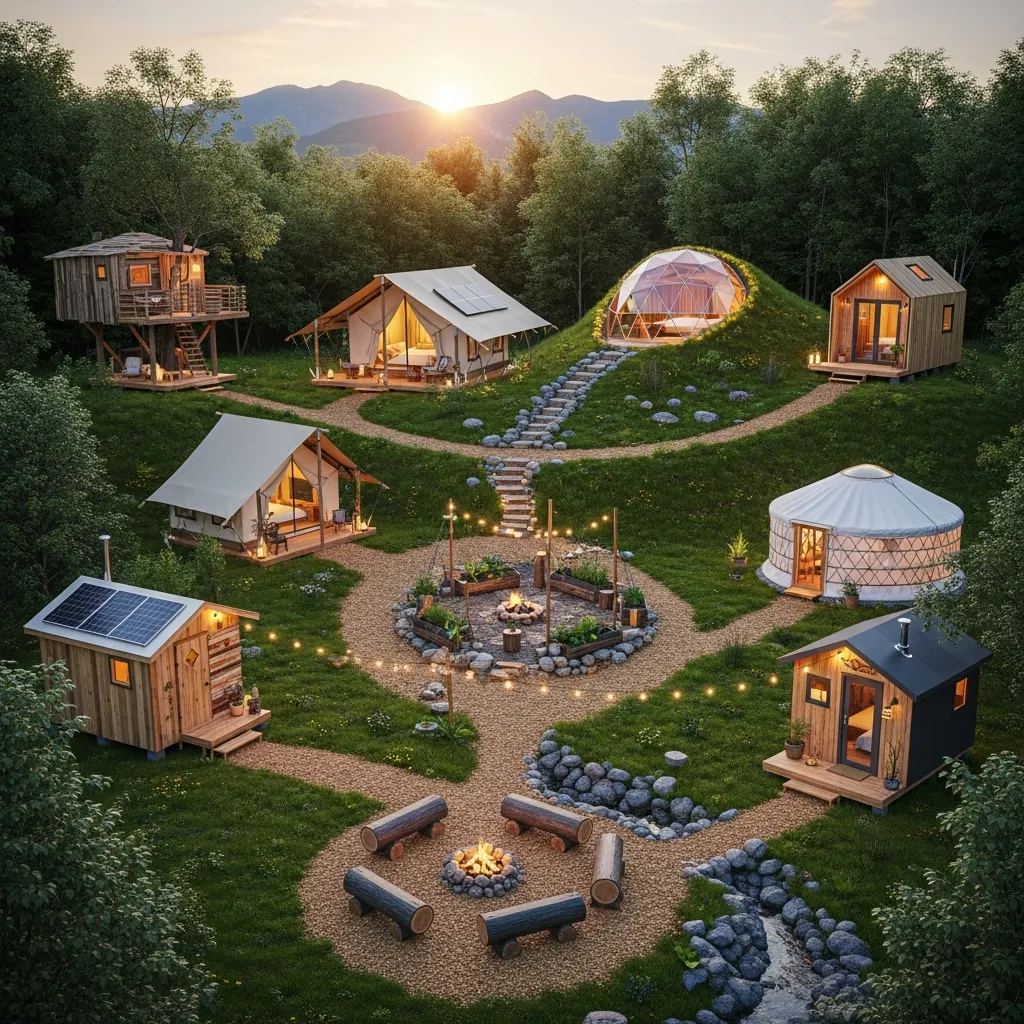
Eco-Friendly Glamping combines luxury outdoor accommodation with sustainable practices like solar power, rainwater harvesting, and responsible Waste Management. The 10 sites featured below—spanning Costa Rica, Iceland, Botswana, and beyond—prove you can enjoy comfort and adventure while protecting the planet and supporting local communities.
Glamping has exploded in popularity over the past decade, and for good reason. It blends the thrill of sleeping under the stars with the comforts of a boutique hotel. But as more travelers seek meaningful escapes, a new question has emerged: can a luxury outdoor stay also be kind to the planet?
The answer is yes. Eco-Friendly Glamping has grown into one of the fastest-rising segments of sustainable travel. These sites run on renewable energy, manage waste responsibly, and channel money back into the communities and ecosystems that surround them. You get the soft sheets and the gourmet breakfast—nature just doesn’t pay the price.
In this guide, you’ll learn what makes a glamping site genuinely sustainable, why these practices matter, and which 10 destinations deliver unforgettable stays without the guilt. By the end, you’ll know exactly what to look for and how to travel responsibly on your next adventure.
What Is Eco-Friendly Glamping and Why Is It Growing?
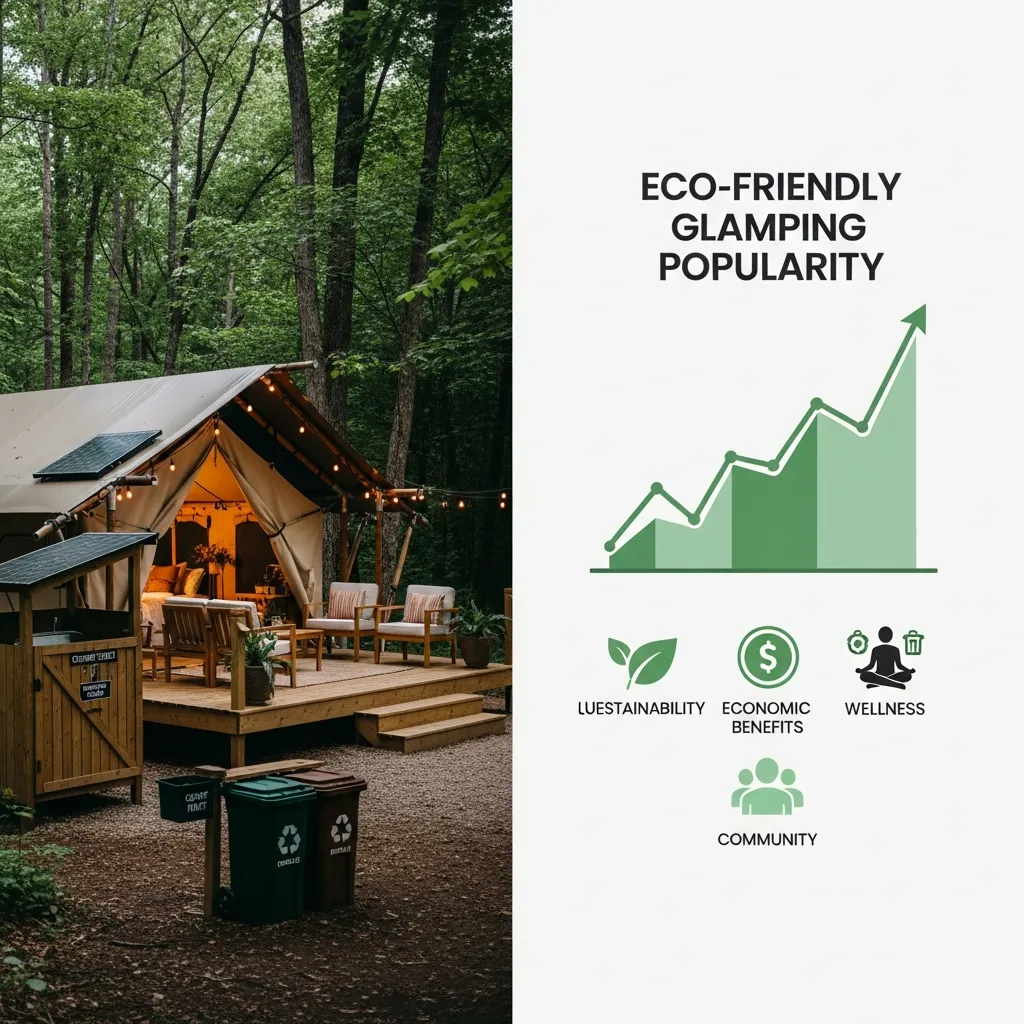
Glamping—short for “glamorous camping”—offers stylish, furnished accommodation in natural settings. Think safari tents with real beds, geodesic domes with panoramic windows, and treehouses with hot showers. You experience the outdoors without sacrificing comfort.
Eco-Friendly Glamping takes this one step further. It pairs that comfort with a firm commitment to sustainability. The goal is simple: minimize harm to the environment while maximizing the guest experience.
Demand for sustainable travel has surged. According to Booking.com’s 2023 Sustainable Travel Report, 76% of travelers said they want to travel more sustainably over the coming year. Eco-Friendly Glamping answers that call directly, giving conscious travelers a way to connect with nature without leaving a heavy mark on it.
How Eco-Friendly Glamping Differs From Camping and Resorts
Traditional camping has a small footprint but few comforts. Luxury resorts offer plenty of comfort but often consume enormous amounts of energy, water, and land. Eco-Friendly Glamping sits in the sweet spot between the two.
These sites are built with low-impact materials, run on clean energy, and prioritize local sourcing. Many embrace the idea of “Beyond the Footprint“—a philosophy that pushes operators to do more than simply reduce harm. Instead, they aim to leave the land, wildlife, and community better off than before.
Why Sustainable Practices in Glamping Matter
Choosing an eco-conscious site does more than ease your conscience. It creates real, measurable benefits across the environment, society, and the local economy.
Environmental Benefits
Sustainable glamping sites protect habitats rather than destroy them. Lightweight, removable structures mean less concrete and fewer cleared trees. Solar panels and wind power cut carbon emissions. Rainwater harvesting and greywater recycling reduce strain on local water supplies.
Strong Waste Management sits at the heart of these efforts. The best sites compost food scraps, recycle aggressively, and avoid single-use plastics altogether. Some operate on a strict leave-no-trace model, packing out everything they bring in.
Social and Economic Benefits
Eco-Friendly Glamping often becomes a lifeline for rural communities. Sites hire local staff, buy local produce, and partner with nearby artisans. This keeps tourism dollars circulating where they’re needed most.
Cultural exchange is another quiet benefit. Guests learn about regional traditions, food, and conservation efforts directly from the people who live there. For operators, this model also makes good business sense—conscious travelers are loyal, and sustainability ensures the natural beauty that draws them stays intact for decades.
The 10 Best Eco-Friendly Glamping Sites
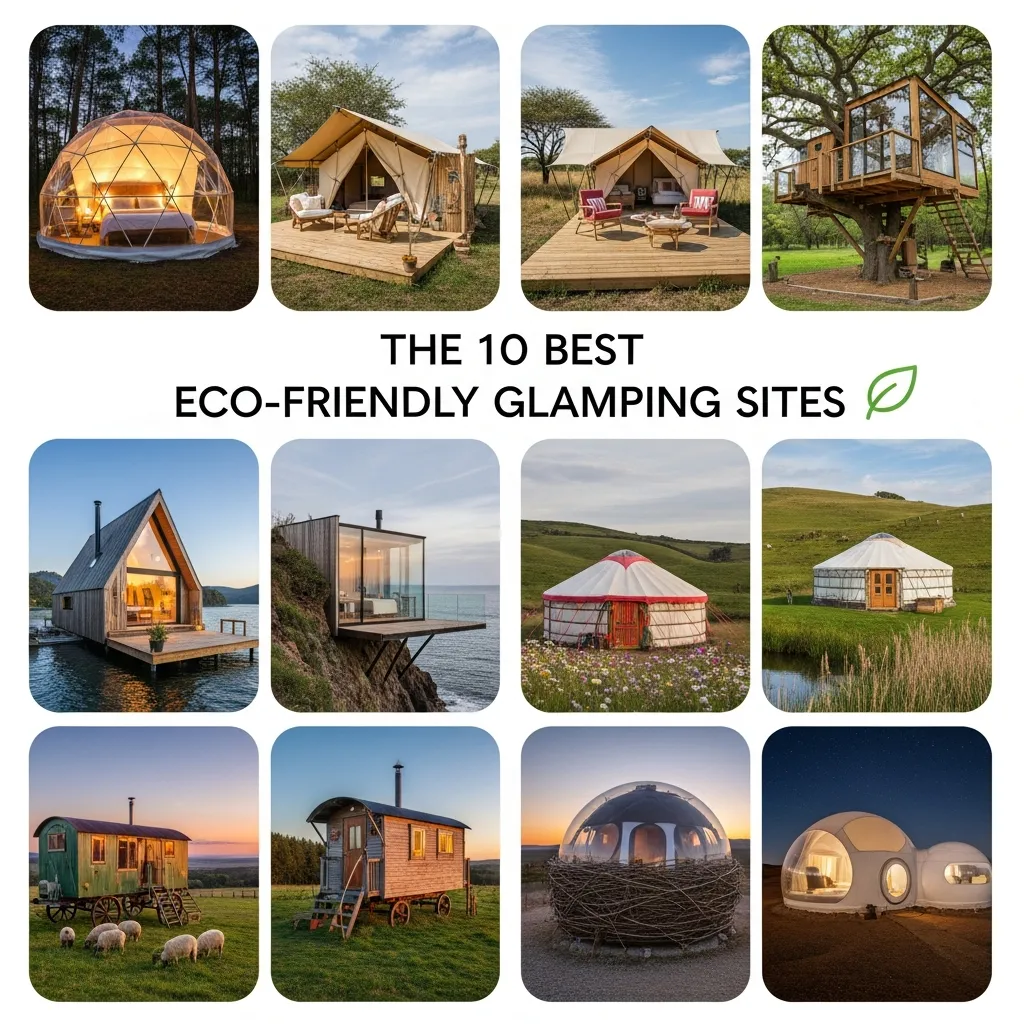
Here are 10 standout destinations that prove luxury and sustainability belong together. Each one offers something unique, from solar-powered domes to wildlife conservation partnerships.
1. Kichaka Luxury Lodge, Tanzania
Set near Ruaha National Park, Kichaka runs entirely on solar power and harvests rainwater for daily use. Guests stay in spacious safari tents and join guided walking safaris led by local Maasai guides. The lodge employs people from surrounding villages and supports regional conservation programs. Waste Management here follows a strict pack-in, pack-out policy.
2. EcoCamp Patagonia, Chile
This pioneering site in Torres del Paine National Park lives by the “Beyond the Footprint” philosophy. Guests sleep in geodesic domes inspired by the dwellings of the indigenous Kawésqar people. The camp uses hydro and solar power, composting toilets, and a comprehensive recycling system. It was the first fully sustainable accommodation in Patagonia.
3. Whitepod Eco-Luxury Hotel, Switzerland
Perched in the Swiss Alps, Whitepod offers heated geodesic pods with stunning mountain views. The site limits its energy use, sources food locally, and follows a low-impact building model that protects the alpine landscape. Snowshoeing and skiing replace energy-hungry resort activities.
4. Playa Viva, Mexico
This off-grid retreat on Mexico’s Pacific coast runs entirely on solar power. Playa Viva supports a sea turtle sanctuary, uses permaculture farming for its kitchen, and channels a portion of every booking into a local trust fund. Its Waste Management system relies on composting and zero single-use plastics.
5. Longitude 131°, Australia
Overlooking Uluru, Longitude 131° pairs luxury tents with a deep respect for Aboriginal culture and the surrounding desert. The site uses solar energy, recycles water, and partners with the local Anangu community. Guests learn about indigenous land management and conservation firsthand.
6. Buubble (The 5 Million Star Hotel), Iceland
Buubble’s transparent bubble domes let guests watch the Northern Lights from bed. The site keeps its footprint tiny by using portable, low-impact structures placed in pristine forests. There’s no permanent construction, and the operator follows strict leave-no-trace principles.
7. Sandat Glamping Tents, Bali, Indonesia
Sandat blends Balinese craftsmanship with sustainability. Tents and “lumbung” bungalows are built from natural, locally sourced materials. The site grows its own organic produce, uses natural water filtration, and employs staff from nearby villages, supporting the local economy.
8. Clayoquot Wilderness Lodge, Canada
Tucked into a remote inlet on Vancouver Island, this site is accessible only by boat or seaplane. It runs on micro-hydro power, treats all wastewater on-site, and partners with First Nations communities. The lodge actively supports salmon habitat restoration in the surrounding rainforest.
9. Sani Camp, Botswana
Located in the Okavango Delta, Sani Camp uses solar power and follows a rigorous Waste Management plan that protects the fragile wetland ecosystem. The camp employs local guides, funds anti-poaching efforts, and keeps guest numbers low to minimize disturbance to wildlife.
10. Bay of Fires Lodge, Tasmania, Australia
This award-winning lodge collects 100% of its water from rainfall and generates its own solar power. Reachable only on foot via a guided walk, it leaves the surrounding coastline untouched. Bay of Fires embodies the “Beyond the Footprint” ideal by leaving the land exactly as it found it.
What to Look for in an Eco-Friendly Glamping Site
Not every site that claims to be “green” actually walks the talk. Here’s how to separate genuine sustainability from clever marketing.
Certifications and Accreditations
Look for recognized credentials like Green Globe, EarthCheck, or B Corp certification. These third-party stamps confirm a site meets strict environmental and social standards rather than relying on its own word.
Waste Management and Resource Use
A truly eco-friendly site will be open about its Waste Management practices. Ask how they handle recycling, composting, and wastewater. Check whether they rely on solar, wind, or hydro power, and whether they harvest rainwater or recycle greywater.
Community Support and Transparency
The best operators support local people and wildlife, and they talk openly about how. If a site can clearly explain where its money goes and how it protects the surrounding ecosystem, that’s a strong sign of genuine commitment.
Your Role as a Responsible Glamping Guest
Sustainability isn’t only the operator’s job. Your choices matter too. By traveling thoughtfully, you can shrink your own impact and honor the “Beyond the Footprint” mindset.
Pack consciously. Bring a reusable water bottle, biodegradable toiletries, and a sturdy bag for any trash you create. Skip single-use plastics wherever you can.
Respect the land and wildlife. Stick to marked trails, keep a safe distance from animals, and never remove plants or stones. Support the local economy by buying regional crafts and eating local food. And when you meet members of the community, engage with curiosity and respect for their traditions.
Travel Better With Eco-Friendly Glamping
Eco-Friendly Glamping proves a powerful point: luxury and responsibility can share the same tent. From the domes of Patagonia to the bubbles of Iceland, these 10 sites show that you can sleep soundly in comfort while protecting the wild places you came to enjoy.
Every booking sends a message. Choosing a sustainable site rewards operators who do the hard work of conservation, community support, and smart Waste Management. The next time you plan an escape into nature, consider Eco-Friendly Glamping—and leave the land better than you found it.
Frequently Asked Questions
What exactly does “Eco-Friendly Glamping” mean?
Eco-Friendly Glamping is luxury outdoor accommodation designed to minimize environmental harm. These sites use renewable energy, responsible Waste Management, and locally sourced materials while still offering the comfort and style that define glamping.
How can I tell if a glamping site is truly eco-friendly?
Look for third-party certifications like Green Globe, EarthCheck, or B Corp. Genuine sites are transparent about their energy sources, water use, Waste Management, and community partnerships. Vague claims with no detail are a red flag for greenwashing.
What are some common sustainable practices at glamping sites?
Common practices include solar or hydro power, rainwater harvesting, greywater recycling, composting, banning single-use plastics, and using low-impact, removable structures. Many also hire local staff and source food regionally.
How does Waste Management work at these locations?
Strong Waste Management usually involves composting food scraps, aggressive recycling, eliminating single-use plastics, and on-site wastewater treatment. Some remote sites follow a strict leave-no-trace model, packing out everything they bring in.
Is Eco-Friendly Glamping more expensive than traditional glamping?
It can be slightly more expensive, since sustainable infrastructure and ethical sourcing cost more to run. However, prices vary widely, and many eco-sites are competitively priced. Choose an eco-friendly site if long-term environmental value matters more to you than the lowest possible rate.
Can I still experience luxury with Eco-Friendly Glamping?
Absolutely. Sites like Longitude 131° in Australia and Clayoquot Wilderness Lodge in Canada offer five-star comfort—gourmet meals, plush beds, and stunning views—alongside their sustainability efforts.
What should I pack for an Eco-Friendly Glamping trip?
Bring a reusable water bottle, biodegradable toiletries, reef-safe sunscreen, a reusable bag for trash, and clothing suited to the climate. Packing light and avoiding single-use plastics helps reduce your overall impact.
How can I minimize my “Beyond the Footprint” while glamping?
Conserve water and energy, stick to marked trails, avoid disturbing wildlife, and pack out your trash. Supporting local businesses and respecting cultural traditions also extends the positive impact of your stay.
Are there Eco-Friendly Glamping sites suitable for families?
Yes. Many sites, such as EcoCamp Patagonia and Sandat Glamping Tents in Bali, welcome families and offer activities like guided nature walks and wildlife spotting that teach children about conservation.
What are the best regions for finding Eco-Friendly Glamping destinations?
Costa Rica, Patagonia (Chile), Iceland, Botswana, Australia, and Canada are all leaders in sustainable glamping. These regions combine rich natural beauty with strong conservation cultures.
How do these sites support local communities?
Eco-Friendly Glamping sites typically hire local staff, buy from regional farmers and artisans, and fund community projects or conservation efforts. Some channel a percentage of every booking into local trust funds.
Do I need special skills or experience to go glamping?
No special skills are needed. Glamping is designed to be accessible and comfortable for everyone. Most sites provide guided activities, so even first-time outdoor travelers can enjoy the experience with ease.