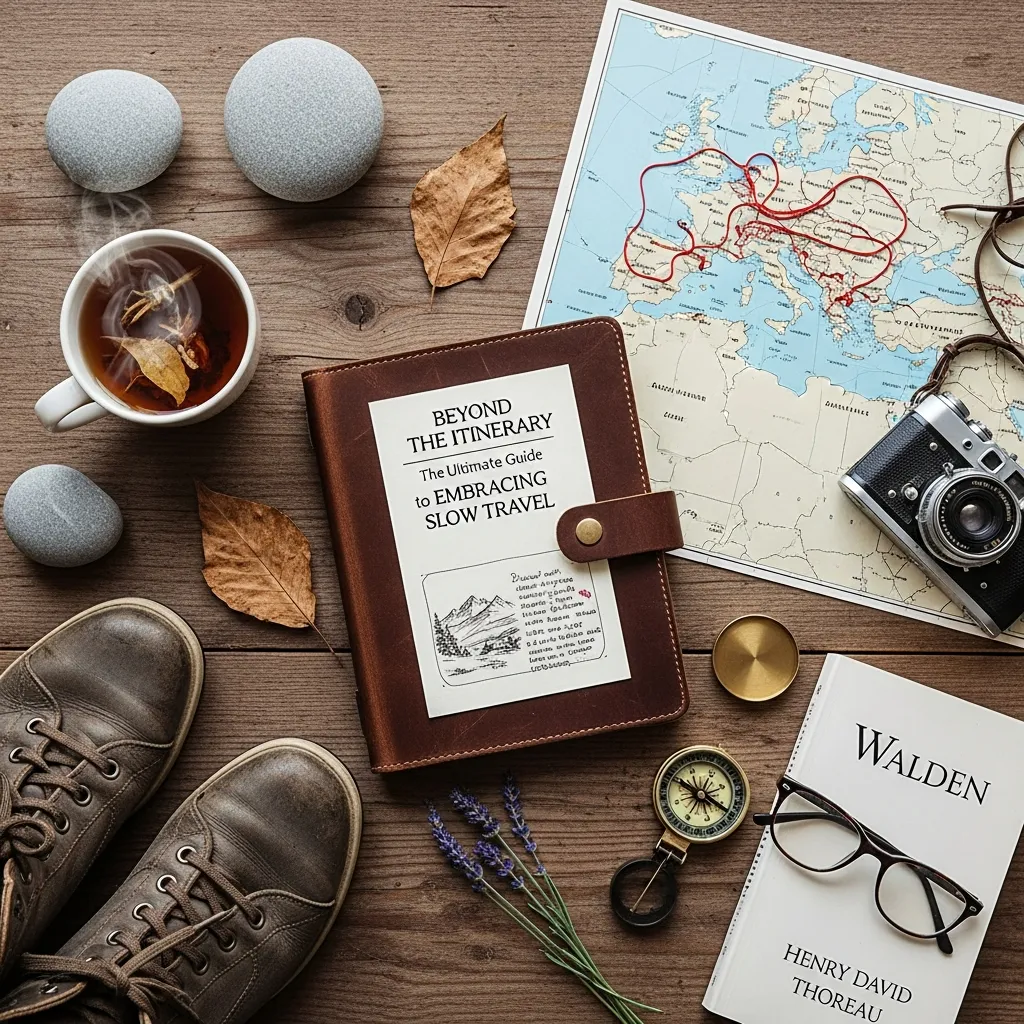
Picture your last vacation. Was it a breathless sprint from one landmark to another, a blur of selfies and crowded queues, all meticulously planned to maximize every single minute? Did you return home needing a vacation from your vacation? If this sounds familiar, you’re not alone. In our hyper-connected, efficiency-obsessed world, we’ve turned travel into another item on our to-do list—a series of boxes to be ticked. But what if there was another way? A way to travel that leaves you not exhausted, but replenished? A way that fosters genuine connection instead of fleeting glances?
Welcome to the world of slow travel. It’s not about traveling in slow motion; it’s a revolutionary mindset shift. It’s the conscious decision to trade a frantic itinerary for immersive experiences, to prioritize depth over breadth, and to understand that the true magic of a place is often found in the quiet moments between the must-see sights.
This guide is your invitation to unpack not just your suitcase, but the very idea of what travel should be. It’s a deep dive into the art of slowing down, connecting deeply, and returning home with more than just souvenirs—returning home with stories, relationships, and a renewed sense of wonder.
The Philosophy of Slow: What It Is (and What It Isn’t)

At its core, slow travel is an offshoot of the broader “Slow Movement,” which began with the Slow Food movement in Italy in the 1980s as a protest against the opening of a McDonald’s in Rome. It championed local culinary traditions and a more mindful approach to eating. This philosophy has since expanded to almost every aspect of life, including travel.
It’s Not About Being Lazy; It’s About Being Present
A common misconception is that slow travel means doing nothing. On the contrary, it’s about doing things with intention. Instead of seeing five cities in five days, a slow traveler might spend five days exploring one neighborhood of one city. It’s about:
- Connection over Collection: Focusing on connecting with the local culture, people, and food rather than collecting passport stamps or Instagram photos.
- Immersion over Observation: Participating in daily life—shopping at the local market, learning a few phrases of the language, taking a cooking class—rather than just observing it from a tour bus window.
- Spontaneity over Scheduling: Leaving room in your schedule for unexpected discoveries, for getting lost on purpose, for following a cobblestone alley just to see where it leads.
“The whole object of travel is not to set foot on foreign land; it is, at last, to set foot on one’s own country as a foreign land.” – G.K. Chesterton
The Transformative Benefits of Traveling Slowly
Adopting a slow travel mindset does more than just change your itinerary; it transforms your entire experience, offering profound benefits for your well-being, your wallet, and the planet.
1. Deeper Cultural Immersion and Authentic Connections
When you stay in one place longer, you move beyond the surface-level tourist experience. You start to recognize faces, from the baker who sells you your morning pastry to the artist at the local gallery. You have time for longer conversations, to hear personal stories, and to understand the nuances of the local culture in a way that is impossible on a whirlwind tour. You become a temporary local, not just a visitor.
2. Reduced Travel Burnout and Enhanced Well-being
The stress of traditional travel is real: the frantic packing and unpacking, the rush to catch planes and trains, the pressure to “see everything.” Slow travel eliminates this. By reducing transit time and logistical stress, you give your mind and body the space to truly relax and rejuvenate. You can establish a comfortable routine, sleep in without an alarm, and savor your morning coffee without worrying about the next item on your checklist.
3. It’s More Sustainable and Responsible
Slow travel is inherently more eco-friendly. Fewer flights mean a smaller carbon footprint. Staying in one place means you’re more likely to support small, local businesses—family-run restaurants, independent shops, and local artisans—rather than large international chains. This ensures your travel dollars directly benefit the community you’re visiting.
4. Significant Cost Savings
While it seems counterintuitive, traveling for longer can often be cheaper. Transportation is one of the biggest travel expenses; by staying put, you slash those costs. Furthermore, long-term accommodations like apartment rentals are often significantly cheaper per night than hotels. You can also save a huge amount of money by cooking some of your own meals with fresh ingredients from the local market—an authentic cultural experience in itself.
5. The Joy of Unexpected Discoveries
Some of the most cherished travel memories are born from unplanned moments. The tiny, family-run trattoria you stumble upon down a side street. The local festival you didn’t know was happening. The afternoon you spend chatting with a shopkeeper who invites you for tea. A packed itinerary leaves no room for this magic. A slow travel approach invites it in.
Your Practical Guide to Planning a Slow Travel Adventure
Ready to trade your checklist for a compass? Planning a slow trip requires a different approach, one focused on flexibility and intention.
Step 1: Choose Your Destination Wisely
Not all destinations are created equal for slow travel. Look for a “base” location that offers:
- Livability: Access to grocery stores, cafes, parks, and a comfortable living environment.
- Good Local & Regional Transit: A place where you can easily explore without a car, using buses, trains, or your own two feet.
- Day-Trip Potential: A central hub from which you can explore surrounding towns, villages, and natural attractions without having to pack up and move every few days (the “hub and spoke” model).
Step 2: Rethink Your Accommodation
For stays longer than a week, ditch the hotel. Consider options that offer a taste of local life:
- Apartment Rentals (Airbnb, Vrbo): The classic slow travel choice. Having a kitchen and a living space makes you feel at home and saves money.
- House-sitting: Platforms like TrustedHousesitters allow you to stay in someone’s home for free in exchange for looking after their pets and property.
- Work Exchanges (Workaway, Worldpackers): Offer a few hours of work a day at a hostel, farm, or family home in exchange for free accommodation and food.
Step 3: Pack Smart, Not Heavy
Since you’ll have a home base, you can wash your clothes. Pack a versatile, capsule-style wardrobe with items you can layer and mix and match. Prioritize comfort, especially comfortable walking shoes. Leave room in your suitcase for the unique items you’ll want to bring back from local markets and artisans.
Step 4: Craft a “Non-Itinerary”
This is the most crucial mental shift. Instead of a day-by-day schedule, create a loose list of intentions or a “wish list.” It might look something like this:
- Find the best cappuccino in the neighborhood.
- Spend an entire afternoon reading in a park.
- Learn to cook one local dish.
- Visit the main museum on a weekday when it’s less crowded.
- Take a day trip to that coastal village someone recommended.
This approach provides a gentle structure while leaving ample space for spontaneity.
Mastering the Slow Travel Mindset on the Road
Once you arrive at your destination, the true essence of slow travel begins. Planning less and experiencing more is what separates this travel philosophy from traditional tourism. Instead of rushing from one attraction to another, slow travelers focus on meaningful moments, local connections, and the simple joy of being present. Here are some practical ways to embrace the slow travel mindset every day during your journey.
Walk Your Way Through a Destination
Walking is one of the most powerful tools in slow travel. While taxis, buses, and metro systems can get you from point A to point B quickly, they often disconnect you from the environment around you. Walking allows you to notice details that most tourists miss—the aroma of fresh bread from a neighborhood bakery, the sound of musicians performing in a hidden square, or the intricate architecture tucked away on a quiet street.
By exploring on foot, you naturally move at the pace of local life. You discover unexpected cafes, local shops, and charming corners that never appear in guidebooks. Often, the most memorable travel experiences happen during a simple walk with no destination in mind.
Engage All of Your Senses
Modern travel is often experienced through a smartphone screen. We rush to take photos, record videos, and post updates before truly appreciating what is happening around us. Slow travel encourages the opposite approach.
Spend an hour sitting at a local café and simply observe. Watch how residents interact with one another. Listen to the rhythm and melody of the local language. Notice the colors of the buildings, the scent of nearby food stalls, and the atmosphere of the neighborhood. By engaging all of your senses, you create memories that feel richer and more meaningful than anything captured in a photograph.
Learn Something New from the Locals
One of the fastest ways to connect with a destination is to learn directly from the people who call it home. Rather than only visiting landmarks, consider participating in activities that teach you something about the local culture.
Take a cooking class and learn a traditional recipe. Join a pottery workshop led by a local artisan. Attend a language lesson or explore a market with a local guide who can explain the stories behind the food and traditions. These hands-on experiences provide a deeper understanding of a place and often become the highlights of a trip.
Embrace Moments of Boredom
Many travelers feel pressured to fill every hour of their itinerary. However, one of the most valuable lessons of slow travel is understanding that not every moment needs to be productive or exciting.
Allow yourself to have an afternoon with no plans. Sit in a park, read a book by the waterfront, or simply watch people pass by. What initially feels like boredom often becomes an opportunity for reflection, creativity, and genuine observation. Some of the most meaningful travel memories emerge during these unscheduled moments when you give yourself permission to simply exist within a destination.
Start Conversations with Local People
Meaningful human connections are often what transform a good trip into an unforgettable one. You do not need to be fluent in the local language to connect with people. Learning a few simple phrases such as “Hello,” “Thank you,” and “This is delicious” can open doors to authentic interactions.
Ask a market vendor for their favorite local dish. Compliment a café owner on their coffee. Strike up a conversation with someone at a community event. These small exchanges can lead to valuable insights, unexpected recommendations, and memorable stories that no travel guide can provide.
Let Curiosity Guide Your Journey
Perhaps the most important slow travel skill is learning to follow your curiosity rather than a strict schedule. If a hidden alley catches your attention, explore it. If a local recommends a nearby village, consider visiting. If you discover a charming bookstore or waterfront café, spend extra time there instead of rushing to the next attraction.
Slow travel is about creating space for serendipity. When you stop trying to control every detail of your trip, you often discover experiences that are far more rewarding than anything you originally planned.
The Beauty of Slowing Down
Mastering the slow travel mindset is not about doing less—it is about experiencing more deeply. By walking, observing, learning, connecting, and remaining open to the unexpected, you transform travel from a checklist of attractions into a collection of meaningful experiences. In the end, the places you visit become more than destinations; they become stories, memories, and connections that stay with you long after the journey ends.
Your Journey Starts Now
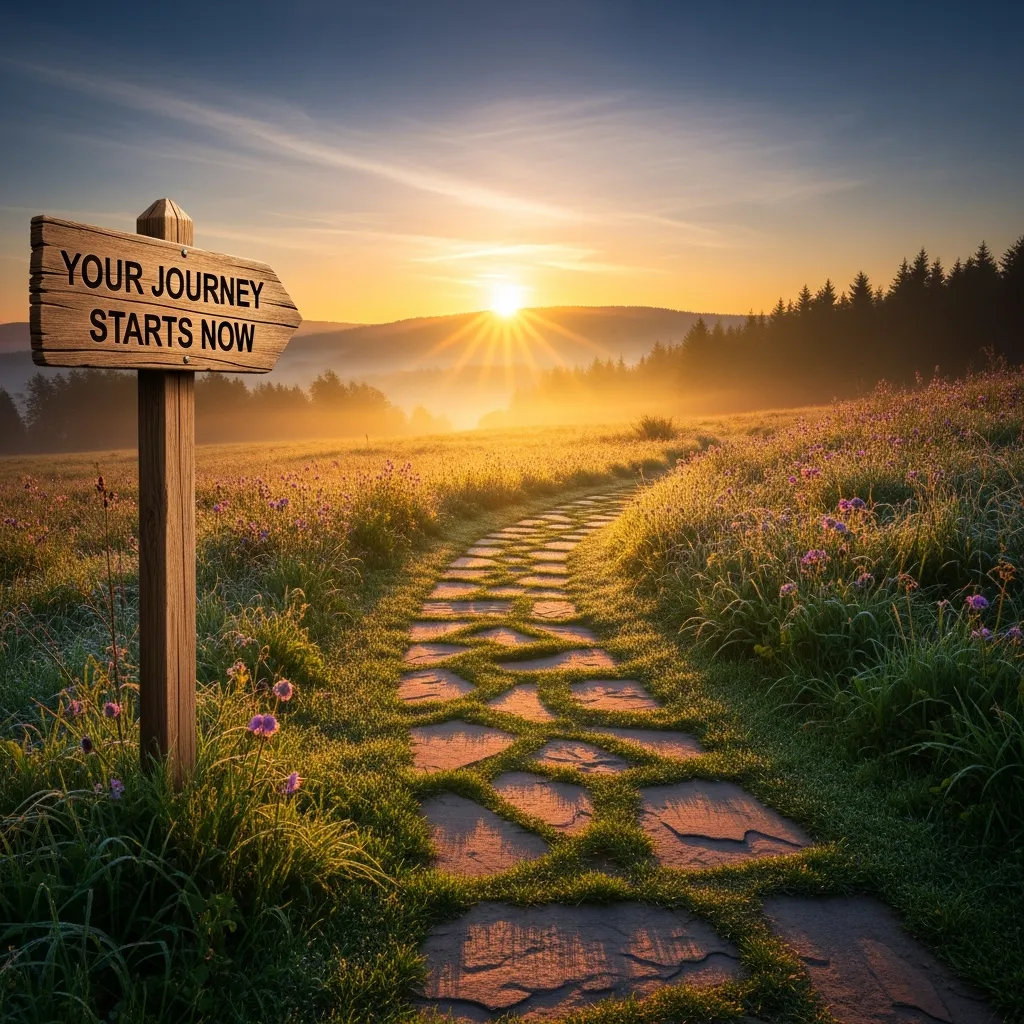
Slow travel isn’t an exclusive club for retirees or long-term nomads. It’s a philosophy that can be applied to any trip, whether it’s a month-long sabbatical or a weekend getaway. It’s about choosing one neighborhood to explore deeply instead of trying to see an entire city. It’s about choosing one amazing, leisurely meal over three rushed ones.
The next time you plan a trip, challenge yourself. Cut your itinerary in half. Double your time in one place. Leave one entire day completely unplanned. Let go of the pressure to “do it all” and instead, give yourself permission to simply be. You might just find that in slowing down, you discover a richer, more meaningful, and far more memorable way to see the world.
Learn more: Escape the Crowds: 7 Hidden Villages in Europe You Need to Visit