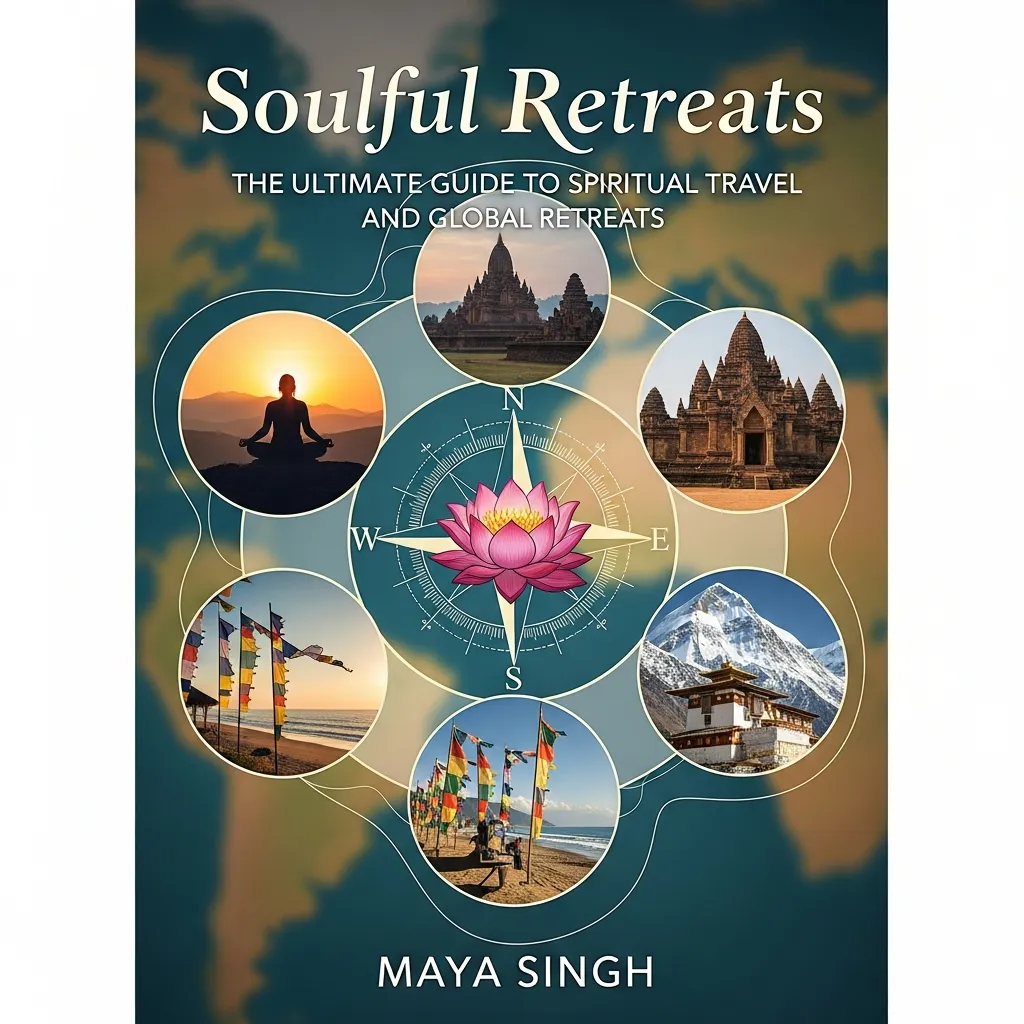
In an age of hurried itineraries and selfie-driven travel logs, many modern explorers are yearning for journeys that are more than superficial sightseeing. Spiritual travel, sometimes called pilgrimage, retreat tourism, or mindful travel, is about transcending the ordinary and inviting genuine transformation. It’s about finding sanctuary in remote ashrams, temple complexes, or mountaintop monasteries; immersing yourself in ancient rituals; and coming home with a deeper sense of purpose and self-awareness. Whether you’re new to the concept or looking to elevate your next vacation, this extensive guide will walk you through every step—from clarifying your intentions and choosing the perfect destination to packing smartly and honoring local customs. Prepare to embark on an authentic journey that nurtures your mind, body, and spirit.
Spiritual travel sparks a growing movement that marries adventure and introspection. People across the globe are trading fast-paced urban life for silent retreats in the desert, yoga programs in verdant valleys, or guided pilgrimages along historic trails. This guide isn’t just a list of pretty places—it’s a blueprint for crafting an intentional travel experience designed to foster healing, self-reflection, and cultural empathy. Whether you seek solace, connection, or a touch of the divine, you’ll discover practical tips, expert insights, and carefully curated recommendations to ensure your journey resonates long after you return home.
Understanding Spiritual Travel

At its core, spiritual travel invites you to slow down, listen to your inner voice, and engage deeply with unfamiliar cultures and their belief systems. It encompasses a wide spectrum of experiences: you might trek the famous Camino de Santiago in Spain, stay at an eco-friendly meditation retreat in Bali, or explore healing rituals in the heart of the Amazon rainforest. Each path offers unique opportunities to challenge your assumptions, cultivate mindfulness, and connect with communities that have preserved ancient wisdom for generations.
Here are key dimensions to consider:
- Intention: Define why you’re embarking on a spiritual journey. Are you coping with personal loss, searching for life direction, or simply curious about another worldview?
- Format: Decide whether you prefer a silent retreat, a structured group program, a solo pilgrimage, or a hybrid approach that blends spiritual activities with cultural exploration.
- Tradition: Explore various spiritual traditions—Buddhist Vipassana, Sufi dhikr, indigenous sweat lodges, or Christian retreats—and choose one that aligns with your values and interests.
- Accessibility: Evaluate physical demands, altitude considerations, dietary restrictions, and language barriers. Select a program that matches your comfort and fitness level.
By understanding these elements, you can shape a journey that aligns with your personal growth goals, whether you crave silent introspection, communal rituals, or guided teachings from experienced mentors.
Planning Your Retreat Journey
Planning is critical when it comes to spiritual travel. A thoughtful approach ensures you make the most of your time, resources, and energy, laying the groundwork for a rewarding experience.
- Research and Budget: Retreat costs can range from budget-friendly community stays to luxury temple accommodations. Compare program inclusions, lodging standards, meal plans, and additional workshops. Factor in flights, airport transfers, and travel insurance.
- Season and Climate: Spiritual centers often follow the local climate patterns. If you’re heading to a high-altitude Nepalese monastery or a desert meditation retreat, choose seasons that offer comfortable temperatures and manageable trail conditions.
- Duration and Schedule: Reflect on how much time you can commit. Weekend intensives offer an introduction, while multi-week or month-long programs allow for deeper immersion. Check for blackout periods of silence or specialized ceremonies you might want to experience.
- Instructor Credentials: Verify the qualifications and backgrounds of facilitators. Seek programs led by experienced teachers with solid reputations and verifiable training.
- Community and Support: Determine group sizes and community dynamics. Some travelers thrive in small cohorts, while others benefit from larger, diverse gatherings. Find out if mentorship or one-on-one sessions are available to support you during challenging moments.
- Preparation Resources: Many retreats provide pre-travel reading lists, meditation guides, or online orientation sessions. Engage with these materials to arrive prepared mentally and emotionally.
Mapping out these details will help you avoid logistical hiccups and enhance the overall quality of your spiritual travel experience.
Top Spiritual Retreat Destinations Around the World
The world brims with extraordinary locations that cater to every spiritual seeker’s taste. Here are standout retreats and pilgrimage routes to add to your bucket list:
- Rishikesh, India: Dubbed the “Yoga Capital of the World,” Rishikesh offers ashram stays, daily yoga classes along the Ganges, and transformative meditation workshops. Don’t miss the Ganga Aarti ceremony at sunset.
- Machu Picchu, Peru: Embark on the Inca Trail pilgrimage to reach this UNESCO World Heritage site. Along the way, participate in traditional Andean ceremonies led by local shamans.
- Bali, Indonesia: Ubud’s lush rice terraces host a wealth of retreats focused on yoga, sound healing, and holistic wellness. Explore community-based programs that integrate temple offerings and Balinese crafting rituals.
- Santorini, Greece: Known for its awe-inspiring sunsets, Santorini also features cliffside meditation retreats and consciousness workshops overlooking the Aegean Sea.
- Sedona, Arizona, USA: Famous for its red-rock vortexes, Sedona draws energy seekers for guided hikes, Reiki healing, and Native American cultural ceremonies.
- Kyoto, Japan: Participate in Zen Buddhist sesshin retreats, where silent meals, mindful walking, and temple rituals cultivate deep awareness and inner calm.
- Camino de Santiago, Spain: Walk the historic pilgrimage route spanning hundreds of miles. Embrace the camaraderie of fellow pilgrims, stay in albergues, and attend mass in centuries-old cathedrals.
- Chapada Diamantina, Brazil: Discover Amazonian jungle retreats blending plant medicines, jungle treks, and indigenous healing traditions in a biodiverse natural park.
- Tortuguero, Costa Rica: Combine eco-retreats with turtle conservation volunteer work, yoga, and rainforest immersion to connect with both nature and community-driven environmental efforts.
Essential Packing List for Spiritual Retreats

Packing for a spiritual journey involves balancing comfort, practicality, and respect for local customs. Here are indispensable items to include:
- Layered Clothing: Pack breathable, loose-fitting garments that accommodate yoga, meditation, and variable climates—think long-sleeve tops, comfortable pants, and lightweight shawls.
- Meditation Accessories: Bring a compact meditation cushion or yoga mat if not provided by the center. Consider a travel-sized singing bowl or prayer beads for personal rituals.
- Travel Journal: Capture reflections, dreams, and personal breakthroughs. A sturdy notebook and quality pen are invaluable for processing your experience.
- Reusable Water Bottle: Stay hydrated while minimizing plastic waste. Collapsible bottles or filtered water systems are especially useful in remote areas.
- Basic First-Aid Kit: Include blister pads, bandages, antiseptic wipes, and any prescription medications. Natural remedies like herbal teas or essential oils can help with minor discomforts.
- Personal Altar Items: Pack sentimental objects—photos, crystals, small statues—that help center your energy and reinforce your intentions.
- Cultural Respect Items: A modest scarf or sarong can double as temple attire, head covering, or beach cover-up, showing deference in sacred spaces.
Incorporating Mindful Practices into Your Trip
Set Clear Intentions Before You Leave
One of the most rewarding aspects of spiritual travel is the opportunity to practice mindfulness in a real-world setting. Rather than rushing from one attraction to another, mindful travel encourages you to slow down, become fully present, and engage deeply with your surroundings. By incorporating simple mindfulness practices throughout your journey, you can transform an ordinary trip into a meaningful experience that promotes self-awareness, emotional balance, and personal growth.
Before embarking on your journey, take time to establish clear intentions for your spiritual travel experience. Ask yourself what you hope to gain from the trip. You may be seeking inner peace, healing from a difficult life event, greater self-understanding, or simply a break from the distractions of everyday life. Writing your intentions in a journal can help clarify your goals and create a sense of purpose. Many travelers find it beneficial to revisit these intentions throughout their retreat, using them as a guide whenever challenges or moments of uncertainty arise.
Practice Mindfulness During Transit
Mindfulness can also be practiced during the travel process itself. Long flights, train rides, or road trips provide valuable opportunities for reflection. Instead of filling every moment with entertainment or social media scrolling, use travel time to focus on your breathing, listen to guided meditations, or simply observe the changing landscapes around you. Paying attention to the sights, sounds, and sensations of the journey can help cultivate a sense of presence before you even arrive at your destination.
Create Healthy Digital Boundaries
Creating healthy digital boundaries is another important aspect of mindful travel. Modern technology offers convenience, but constant notifications and screen time can distract from the deeper purpose of a spiritual retreat. Consider setting specific times to check emails and messages while keeping your phone away during meditation sessions, meals, and nature walks. Disconnecting from digital distractions allows you to fully immerse yourself in the present moment and deepen your connection with yourself and your environment.
Practice Conscious Eating
Food can also become a powerful mindfulness practice during spiritual travel. Instead of eating quickly or absentmindedly, approach each meal with awareness and gratitude. Notice the colors, aromas, textures, and flavors of the food before you. Reflect on the people, cultures, and natural resources that made the meal possible. This simple practice of conscious eating can foster appreciation, reduce stress, and strengthen your connection to the local culture.
Experience Walking Meditation
Many retreats and pilgrimage experiences incorporate walking meditation as a way to unite movement and mindfulness. Whether you’re strolling through a forest trail, walking along a sacred pilgrimage route, or exploring a peaceful temple garden, focus on each step and the sensations beneath your feet. Feel the rhythm of your breathing, observe the surrounding environment without judgment, and allow yourself to become fully engaged in the present moment. Walking meditation can be especially beneficial for those who find traditional seated meditation challenging.
End Each Day with Reflection and Gratitude
At the end of each day, dedicate time to reflection and gratitude. Journaling about your experiences, insights, and emotions can help you process the lessons learned during your journey. Consider writing down three things you are grateful for each evening and reflecting on how the day contributed to your personal growth. These small moments of reflection often become some of the most valuable aspects of spiritual travel, helping you integrate your experiences into everyday life.
Participate in Group Sharing Circles
If your retreat includes group discussions or sharing circles, participate with openness and authenticity. Sharing your thoughts and listening compassionately to others can create meaningful human connections and foster a sense of community. These conversations often reveal new perspectives, helping travelers better understand themselves and the diverse experiences of others.
Transform Travel into a Lifelong Practice
By integrating mindfulness into every stage of your journey, spiritual travel becomes much more than a temporary escape. It evolves into a powerful practice of intentional living, allowing you to return home with greater awareness, deeper gratitude, and a renewed sense of purpose.
Embracing Responsible and Sustainable Retreat Travel
Support Local Communities
As spiritual travel continues to grow in popularity, travelers have an important responsibility to ensure their journeys positively impact the places and communities they visit. Responsible and sustainable retreat travel goes beyond personal transformation; it also involves respecting local cultures, protecting natural environments, and contributing to the well-being of host communities.
One of the most effective ways to travel responsibly is by supporting retreats and organizations that empower local residents. Look for programs that hire local guides, teachers, cooks, artisans, and support staff. When retreat operators invest in local talent and resources, tourism revenue stays within the community and contributes to long-term economic development. Choosing locally owned accommodations and purchasing handmade goods from local artisans can further strengthen your positive impact.
Choose Eco-Friendly Accommodations
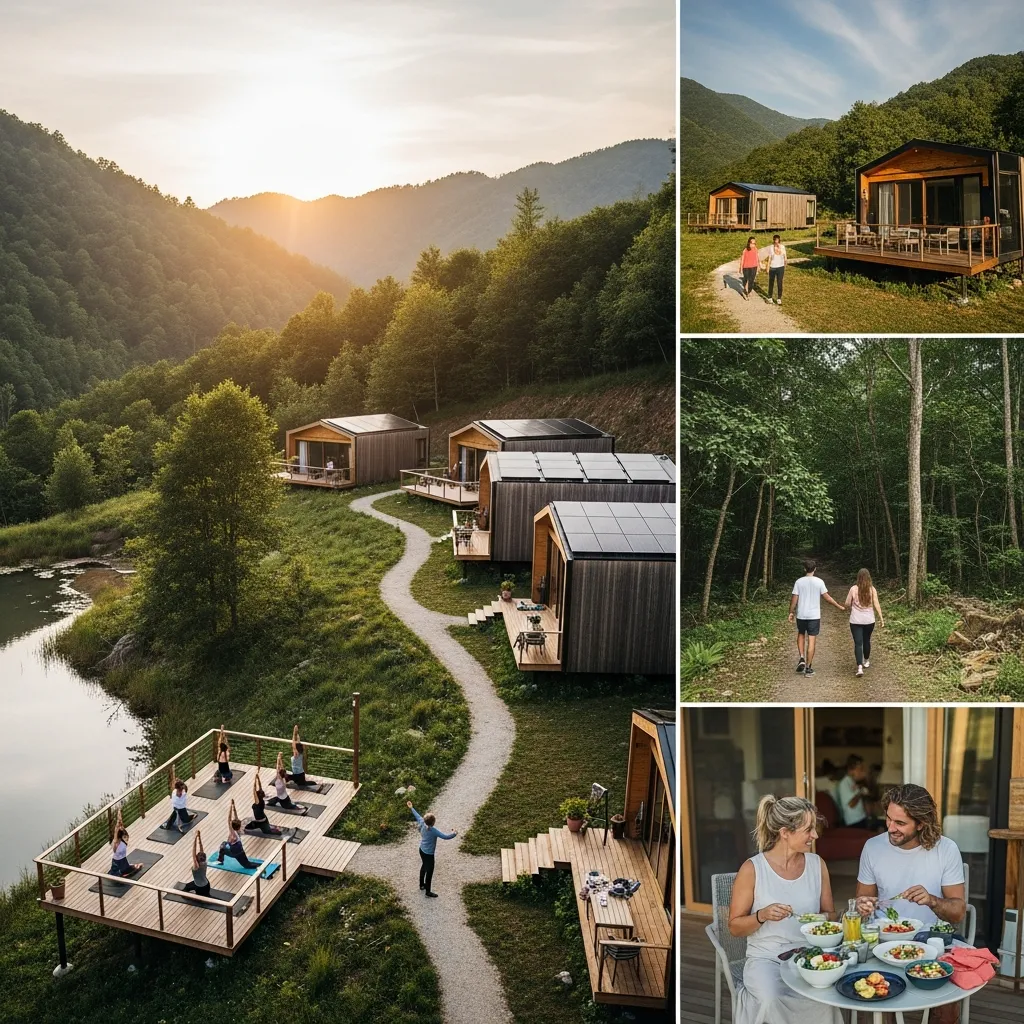
Sustainable accommodation choices can also make a significant difference. Many modern retreat centers are embracing environmentally friendly practices such as renewable energy systems, organic farming, rainwater collection, composting programs, and eco-friendly construction methods. Staying at these properties allows travelers to reduce their environmental footprint while supporting businesses committed to conservation and sustainability.
Respect Local Cultures and Traditions
Respect for cultural traditions is another essential element of ethical spiritual travel. Before visiting sacred sites, temples, monasteries, or indigenous communities, take time to learn about local customs and etiquette. Dressing appropriately, following photography guidelines, and showing genuine curiosity about cultural practices demonstrate respect for local traditions. Even learning a few basic phrases in the local language can help foster positive interactions and show appreciation for the host community.
Follow Leave No Trace Principles
Environmental stewardship should remain a priority throughout your journey. Following Leave No Trace principles helps preserve natural landscapes for future generations. Stay on designated trails, avoid disturbing wildlife, properly dispose of waste, and minimize the use of single-use plastics whenever possible. Small actions taken consistently by travelers can collectively have a significant positive impact on fragile ecosystems.
Reduce Your Carbon Footprint
Air travel often represents the largest environmental cost of spiritual travel. To address this, many travelers choose to participate in carbon offset programs that support renewable energy projects, reforestation efforts, and environmental conservation initiatives. While carbon offsets are not a perfect solution, they can help reduce the overall environmental impact associated with long-distance travel.
Travel with Awareness and Responsibility
Ultimately, responsible spiritual travel is about cultivating awareness not only of yourself but also of your relationship with the wider world. By making thoughtful choices and approaching each destination with respect, humility, and gratitude, you can ensure that your journey supports both personal growth and the well-being of the communities and environments that make these transformative experiences possible.
Conclusion
If you’re seeking to balance inner reflection with exploration, consider blending mindfulness with a touch of adventure through programs like Adventure Travel Unleashed. This emerging approach encourages travelers to merge spiritual depth with physical discovery—whether that means meditating on mountaintops, practicing yoga after a challenging trek, or engaging in community projects abroad. Adventure Travel Unleashed embodies the harmony between soul-searching and thrill-seeking, reminding us that true transformation often happens when we step outside our comfort zones.
Learn more about: Family Road Trip Guide: Tips for a Perfect Adventure