
Yearly Travel Insurance is a convenient and cost-effective solution for frequent travelers, offering coverage for multiple trips within a 12-month period under one policy. It protects against medical emergencies, trip cancellations, travel delays, and baggage loss, eliminating the need to purchase separate insurance for every journey.
Booking a trip brings a rush of excitement. You map out the itinerary, reserve the perfect accommodation, and start counting down the days. But for frequent travelers, the repetitive chore of buying travel insurance for every single getaway quickly becomes tedious.
Buying a new policy for every flight is inefficient. It eats up your time and often costs more money in the long run. If you take multiple trips a year, you need a smarter approach to protecting your travel investments and your health.
Yearly travel insurance plans solve this problem entirely. These policies cover all your journeys over a 12-month period under a single umbrella. You buy it once, and you remain protected for every weekend getaway, business trip, and international vacation you take that year.
This guide explains everything you need to know about annual travel insurance. You will learn how these policies work, what features to look for, and how to choose the perfect plan for your specific travel habits.
Key Features to Look for in Yearly Travel Insurance
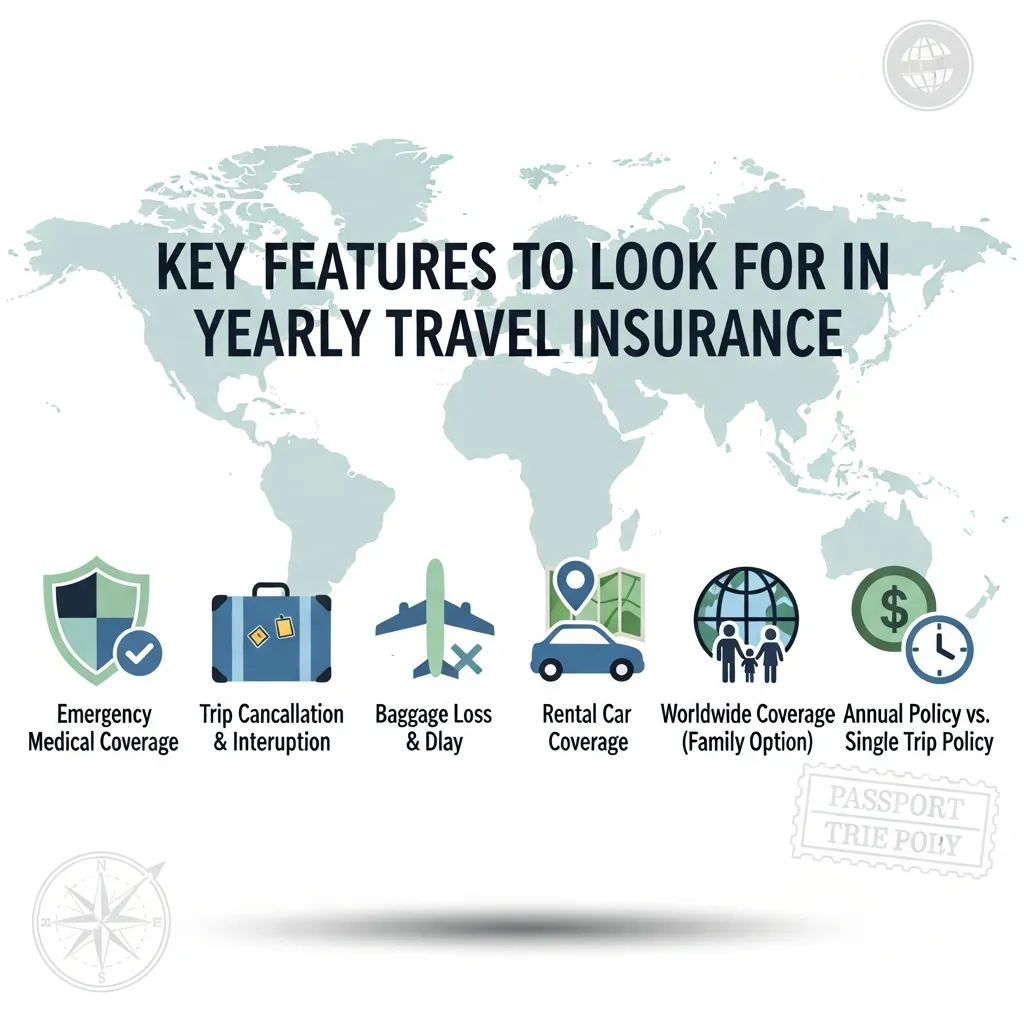
Not all annual policies are created equal. When evaluating different yearly travel insurance plans, you should closely examine the specific features and coverage limits.
Coverage for multiple trips
The primary appeal of an annual plan is multi-trip coverage. Once activated, the policy applies to an unlimited number of trips within a 365-day window. You can take a spontaneous road trip or a planned overseas vacation, knowing your coverage is already active.
Trip cancellation and interruption
Sometimes emergencies happen before you even pack your bags. A sudden illness or a severe weather event can force you to abandon your plans. Strong yearly travel insurance plans reimburse you for non-refundable expenses like flights and hotel bookings. If an emergency cuts your trip short, interruption coverage helps pay for your sudden journey home.
Emergency medical and dental
Getting sick or injured abroad is stressful, and foreign medical bills escalate quickly. Your domestic health insurance rarely covers international care. Annual travel insurance steps in to cover hospital stays, doctor visits, and emergency dental work. In severe cases, it also covers medical evacuation to transport you to a better facility or back home.
Baggage loss and delay
Airlines lose luggage constantly. If your bags disappear or get significantly delayed, your policy provides financial compensation. This allows you to purchase essential clothing and toiletries so you can continue your trip comfortably while the airline searches for your belongings.
Rental car insurance
Many travelers rely on rental cars to explore new destinations. Purchasing insurance directly from the rental counter is notoriously expensive. Many yearly plans include collision damage waivers for rental vehicles, saving you a substantial amount of money at the rental desk.
Adventure activities coverage
Standard insurance often excludes high-risk activities like scuba diving, skiing, or mountain climbing. If your trips involve extreme sports, look for a policy that specifically covers adventure activities. You may need to purchase an add-on or a specialized premium plan to secure this protection.
Understanding Policy Limits and Exclusions
Insurance policies always contain specific boundaries. Understanding these limitations prevents nasty surprises when you need to file a claim.
Maximum trip duration
Yearly travel insurance plans cover multiple trips, but they restrict the length of each individual journey. A standard policy might cap each trip at 30, 45, or 90 days. If you plan to travel continuously for six months, an annual multi-trip policy will not cover you for the entire duration. You would need long-term traveler or expat insurance instead.
Pre-existing medical conditions
Most basic policies exclude coverage for pre-existing medical conditions. If you seek treatment for a condition you had before buying the policy, the insurer will deny the claim. Some providers offer a pre-existing condition waiver if you purchase the insurance within a specific timeframe (usually 14 days) after your first trip payment.
Excluded destinations or activities
Insurers evaluate global risks constantly. Your policy might exclude coverage for countries experiencing political unrest, war, or severe natural disasters. Furthermore, participating in unapproved activities or breaking local laws will automatically void your coverage. Always check the restricted destination list before booking your flights.
Deductibles and co-payments
Review the financial structure of the plan. A deductible is the amount you pay out of pocket before the insurance company covers the rest. Policies with zero deductibles cost more upfront, while high-deductible plans offer lower annual premiums. Choose a structure that aligns with your risk tolerance and budget.
Choosing the Right Yearly Travel Insurance Plan

Selecting the best policy requires careful consideration of your personal travel style. A plan that works perfectly for a domestic business traveler might fail completely for an international backpacker.
Assessing your travel habits
Start by estimating how many trips you plan to take this year. Consider the destinations, the average length of your stays, and the types of activities you enjoy. If you primarily travel domestically, you might need lower medical limits but higher rental car coverage. International travelers should prioritize high medical and evacuation limits.
Comparing different providers
Never buy the first policy you find. Request quotes from multiple reputable insurance companies. Compare their coverage limits, annual premiums, and extra benefits. Look closely at the medical evacuation limits, as a specialized medical flight can easily exceed $100,000.
Reading the fine print
The policy document contains all the crucial details. Take the time to read the definitions, conditions, and exclusions. Pay attention to how the insurer defines a “trip.” Some policies require you to travel a minimum distance from your primary residence (e.g., 100 miles) for the coverage to activate.
Customer reviews and ratings
A policy looks great on paper, but the true test happens during the claims process. Read reviews from other travelers to see how the company handles claims. Look for patterns of delayed payouts, poor customer service, or unfair claim denials. High ratings from independent financial rating agencies (like AM Best) also indicate a financially stable company.
Making a Claim: A Step-by-Step Guide
Experiencing an emergency is bad enough without a complicated claims process adding to your stress. Knowing exactly how to file a claim ensures you get reimbursed quickly.
Documentation required
Insurance companies require proof for every claim. If your flight is delayed, get a written statement from the airline. If you see a doctor, keep all medical records, itemized bills, and pharmacy receipts. For stolen items, file a local police report within 24 hours. The more documentation you provide, the faster your claim moves through the system.
Contacting your provider
Most yearly travel insurance plans offer a 24/7 emergency assistance hotline. Call them immediately if you experience a medical emergency or a major trip interruption. The assistance team can guide you to an approved local hospital, arrange for payment guarantees, and start the claims process on your behalf.
Understanding the claims process
Submit your claim online or through the provider’s mobile app as soon as possible. Follow the instructions carefully and upload all your supporting documents. The insurance company will assign an adjuster to review your case. They might request additional information, so respond promptly to avoid delays. Once approved, the company will transfer the funds directly to your bank account.
Maximizing Your Yearly Travel Insurance Benefits
You pay for your annual plan, so you should take advantage of every feature it offers. Many travelers overlook the hidden perks buried in their policy documents.
Utilizing concierge services
Premium plans frequently include 24-hour concierge services. These teams can help you book restaurant reservations, secure event tickets, or find a reliable local translator. While they won’t pay for the actual services, their local knowledge and logistical support prove incredibly valuable in unfamiliar cities.
Understanding your policy’s perks
Read through your benefits guide to find lesser-known perks. Some policies cover kennel fees if your return flight is delayed and your pet has to stay in boarding longer than expected. Others offer identity theft resolution services or replace lost prescription medications.
Regular review of your coverage
Your life and travel habits change over time. Before your policy renews for the next year, review your coverage. Did you take up a new extreme sport? Are you planning longer international trips next year? Adjust your coverage limits or switch to a more comprehensive plan to match your upcoming travel goals.
Secure Your Peace of Mind for the Year Ahead

Yearly travel insurance plans offer an incredibly efficient way to protect your health, your luggage, and your wallet. By paying one annual premium, you eliminate the hassle of researching and purchasing individual policies for every single getaway.
Take the time to assess your upcoming travel schedule. Compare quotes from a few reputable providers, keeping a close eye on trip duration limits and medical maximums. Once you secure the right annual plan, you can focus on the best part of traveling: enjoying the journey.Read for Backpacker Travel Insurance
Conclusion – Yearly Travel Insurance
For travelers who take multiple trips throughout the year, Yearly Travel Insurance is a smart and efficient choice. It saves time, reduces overall costs, and ensures continuous protection across all your travels.
By selecting the right policy based on your travel habits, destinations, and coverage needs, you can avoid unexpected financial risks and travel with confidence. Whether it’s business trips, weekend getaways, or international vacations, yearly travel insurance provides peace of mind and hassle-free protection all year long.
Frequently Asked Questions (FAQ) – Yearly Travel Insurance
1. What is Yearly Travel Insurance?
Yearly Travel Insurance is an annual multi-trip policy that provides coverage for multiple journeys within a 12-month period. Instead of purchasing separate insurance for each trip, Yearly Travel Insurance allows you to travel freely throughout the year while staying continuously protected against medical emergencies, cancellations, and travel disruptions.
2. Who should buy Yearly Travel Insurance?
Yearly Travel Insurance is best suited for frequent travelers, including business professionals, digital nomads, and individuals who take multiple vacations each year. If you travel more than two or three times annually, investing in Yearly Travel Insurance can save both time and money while ensuring consistent coverage.
3. How does Yearly Travel Insurance work?
Once you purchase Yearly Travel Insurance, the policy remains active for 12 months and automatically covers all eligible trips taken during that time. However, each trip must fall within the maximum duration limit set by the Yearly Travel Insurance policy, such as 30, 60, or 90 days.
4. What does Yearly Travel Insurance cover?
A standard Yearly Travel Insurance plan typically covers medical emergencies, hospitalization, emergency evacuation, trip cancellations, trip interruptions, travel delays, and lost or delayed baggage. Some Yearly Travel Insurance policies may also include additional benefits like rental car coverage and concierge services.
5. Is there a limit on trip duration in Yearly Travel Insurance?
Yes, most Yearly Travel Insurance policies include a maximum trip duration per journey. For example, your Yearly Travel Insurance plan might cover unlimited trips, but each trip cannot exceed a certain number of days, such as 30, 45, or 90 days.
6. Does Yearly Travel Insurance cover international travel?
Yes, many Yearly Travel Insurance plans provide worldwide coverage, allowing you to travel internationally without needing separate policies. However, some Yearly Travel Insurance providers may exclude high-risk destinations or require additional coverage for certain regions.
7. Are pre-existing medical conditions covered in Yearly Travel Insurance?
In most cases, basic Yearly Travel Insurance plans do not automatically cover pre-existing conditions. However, some providers offer a waiver if you purchase the Yearly Travel Insurance policy within a specific time after booking your trip and meet certain conditions.
8. Is Yearly Travel Insurance cheaper than single-trip insurance?
Yes, Yearly Travel Insurance is often more cost-effective for frequent travelers. Instead of paying for multiple individual policies, one Yearly Travel Insurance plan covers all your trips, reducing the overall cost per trip significantly.
9. Does Yearly Travel Insurance include adventure sports coverage?
Standard Yearly Travel Insurance policies may exclude high-risk activities such as skiing, scuba diving, or mountain climbing. However, many Yearly Travel Insurance providers offer optional add-ons or upgraded plans that include adventure sports coverage.
10. Can I cancel my Yearly Travel Insurance policy?
Yes, most Yearly Travel Insurance providers offer a “free look period,” usually between 10 to 15 days. During this time, you can review your Yearly Travel Insurance policy and cancel it for a full refund if it does not meet your needs.
11. How do I file a claim under Yearly Travel Insurance?
To file a claim with Yearly Travel Insurance, you need to contact your provider as soon as possible, submit all required documents such as receipts, medical reports, or travel confirmations, and follow the claim process. Keeping proper documentation is essential for a successful Yearly Travel Insurance claim.
12. When should I buy Yearly Travel Insurance?
It is best to purchase Yearly Travel Insurance before your first trip of the year. Buying early ensures that your Yearly Travel Insurance covers trip cancellations, pre-departure issues, and all journeys throughout the year without any gaps in coverage.