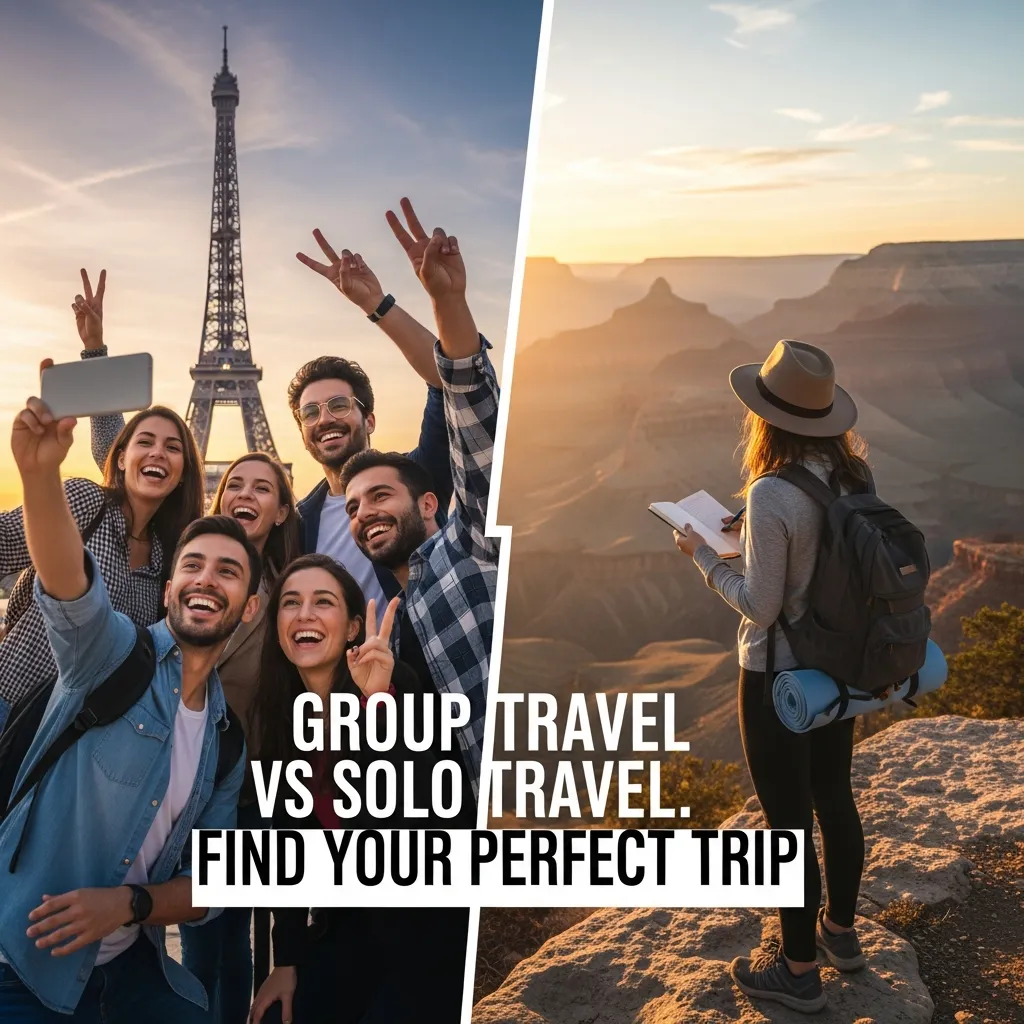
This comprehensive guide explores the dynamic debate between group travel vs solo travel, offering insights, tips, and considerations for every type of adventurer. Discover which travel style best suits your wanderlust, from planning to experiencing the world’s best destinations.
Human beings have a fundamental, deeply rooted desire to explore the unknown. We pack our bags, board flights, and cross oceans to experience different cultures, taste unfamiliar foods, and see landscapes that take our breath away. Yet, when the time comes to actually book that dream vacation, a major dilemma almost always surfaces.
You must decide how you want to experience your journey. The debate of group travel vs solo travel is one of the most common discussions among modern wanderers. Both approaches offer completely different ways to interact with the world around you, presenting unique challenges and incredible rewards.
If you are torn between rallying your friends for a shared adventure or packing a single backpack to navigate foreign streets alone, you are not the first. Choosing between group travel vs solo travel fundamentally changes the tone, pace, and outcome of your vacation.
This guide examines the pros and cons of both styles. By breaking down the specific benefits and drawbacks, we will help you figure out exactly which approach aligns with your personal travel goals.
The Call of Solo Travel

Taking a trip entirely on your own can seem intimidating at first, but it remains one of the most rewarding experiences a person can undertake. Solo travel strips away the familiar safety nets and forces you to engage directly with your surroundings.
Freedom and Flexibility
The most immediate benefit of choosing solo travel over group travel is absolute freedom. You wake up exactly when you want to, eat where you want to, and change your plans on a whim without needing to consult a committee. Spontaneous decisions define the solo experience. If you want to spend four hours sitting in a small café reading a book, no one is rushing you to the next museum.
This level of independence often leads to deep self-discovery and introspection. Navigating a foreign environment alone builds immense self-confidence. You learn to trust your instincts, solve problems independently, and discover parts of your personality that might remain hidden when surrounded by familiar friends.
Enhanced Local Immersion
Without a group of friends speaking your native language to distract you, it becomes much easier to connect with locals. Solo travelers often appear more approachable, leading to organic conversations with shop owners, guides, and fellow travelers.
Furthermore, traveling alone provides the perfect opportunity for a slower, more deliberate pace. If you are interested in this approach, a comprehensive [Slow Travel Guide] can teach you how to spend more time in fewer places, absorbing the culture rather than checking off a list of tourist attractions.
Challenges of Solo Travel
The solo travel route is not without its hurdles. Safety concerns require a much higher degree of personal vigilance. You are solely responsible for watching your bags, navigating unfamiliar neighborhoods at night, and managing your health.
Loneliness and isolation can also creep in, especially during long trips. Seeing a beautiful sunset or eating a phenomenal meal can sometimes feel slightly hollow when you have no one sitting across the table to share it with. Additionally, the debate of group travel vs solo travel often comes down to finances. Solo travelers routinely face higher costs due to single supplements for hotel rooms and the inability to split the cost of rental cars or private tours.
Tips for Successful Solo Travel
To make the most of your solo journey, always prioritize safety. Research your destination thoroughly, share your itinerary with family back home, and stay aware of your surroundings. Embrace the spontaneity that comes with traveling alone, but also make an effort to connect with other travelers by staying in social hostels or booking day tours when you start to feel isolated.
The Benefits of Group Travel
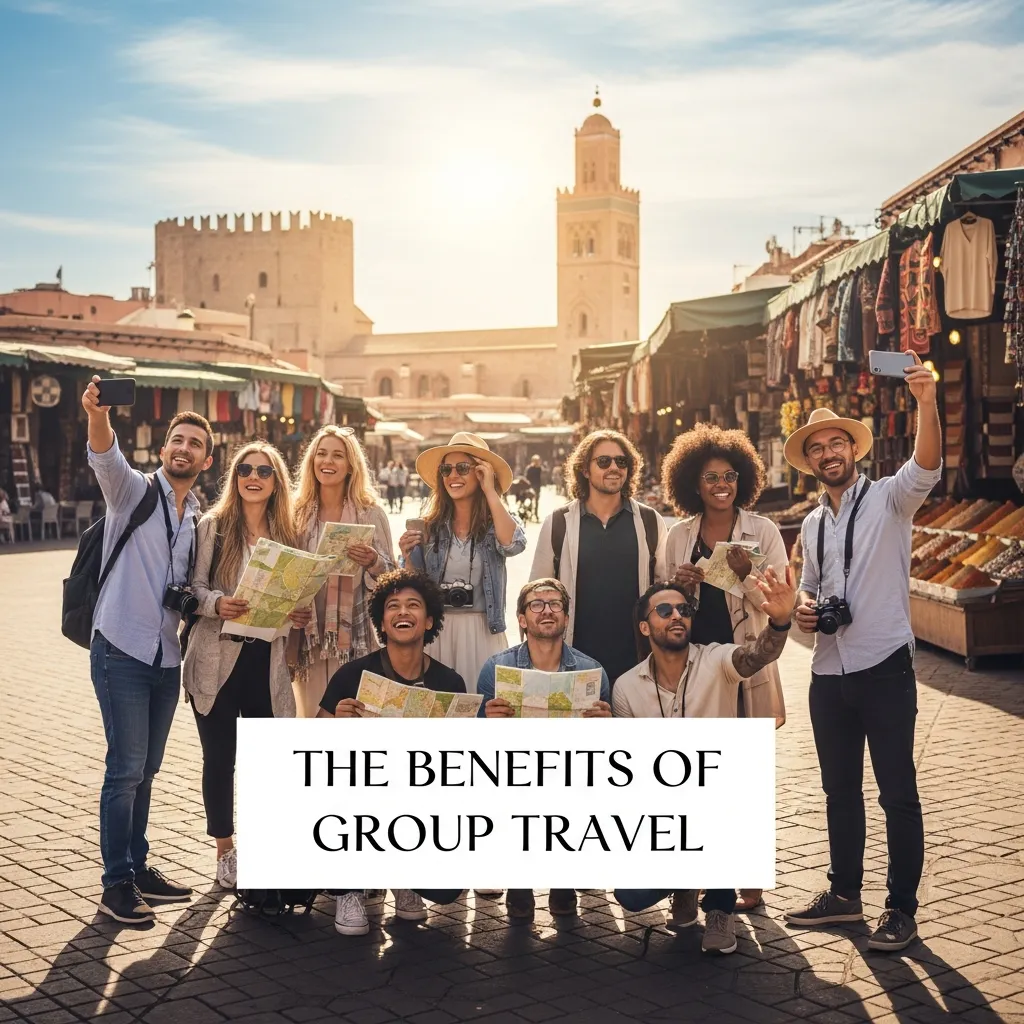
On the other side of the group travel vs solo travel debate is the shared adventure. Whether traveling with lifelong friends, family members, or an organized tour of strangers, group travel provides a structured and highly social way to see the globe.
Shared Experiences and Camaraderie
The most powerful argument for group travel is the shared experience. Building connections and making new friends are central to this travel style. When a flight is delayed or you get hopelessly lost in a new city, having a support system turns a stressful situation into a funny memory. The inside jokes, shared meals, and collective awe when viewing a landmark together create bonds that last a lifetime.
Convenience and Organization
Planning a multi-city international trip requires significant administrative work. A major win for group travel, especially organized tours, is stress-free planning. You can consult a Trip Planning Guide to distribute tasks among friends, or simply pay a tour company to handle the logistics.
Group travel often includes transportation, accommodation, and curated activities built directly into the itinerary. Furthermore, there is a massive potential for cost savings through group rates. You can use tools like [Google Flights] for initial ideas and group bookings, eventually splitting the cost of large Airbnb rentals, taxis, and bulk tour discounts.
Safety in Numbers
There is undeniable safety in numbers. Reduced personal safety concerns allow many travelers to relax more fully than they might on their own. If you fall ill, lose your passport, or encounter an emergency, you have immediate assistance from the people around you.
Drawbacks of Group Travel
The group travel vs solo travel debate must acknowledge the friction that groups can generate. The biggest drawback is less flexibility and spontaneity. Every decision, from where to eat dinner to what time to wake up, requires a consensus.
There is also a high potential for personality clashes. Spending 24 hours a day with even your best friends can test your patience. Finally, traveling in a protective bubble of your peers often leads to less authentic local interaction, as you are less motivated to speak to strangers.
Tips for Enjoyable Group Travel
Choose a group with similar interests and budgets to minimize friction. Communicate openly with tour leaders and fellow travelers about your expectations before the trip begins. Most importantly, balance group activities with personal time. It is perfectly acceptable to break off from the group for an afternoon to recharge.
Hybrid Approaches: The Best of Both Worlds
If you cannot decide between group travel vs solo travel, you might not have to. Hybrid approaches offer a fantastic middle ground.
Many travelers opt for organized tours that intentionally build in ample free time. You get the logistical support and social safety net of a group, but the freedom to explore independently for hours at a time. Another popular method is starting a trip entirely solo, then booking short, multi-day group excursions along the way. Finally, traveling with just one or two close, like-minded companions often strikes the perfect balance between shared memories and logistical agility.
Choosing Your Adventure: Key Considerations

Resolving the group travel vs solo travel question requires honest reflection about your current needs.
Personality and Preferences: Are you an extreme extrovert who thrives on constant social energy, or an introvert who needs quiet mornings alone to recharge?
Budget and Travel Style: Can you afford the single supplements of solo travel, or do you need the cost-sharing benefits of a group?
Destination and Duration: Some locations lend themselves better to specific styles. When researching [The Best Places to Visit in the World], consider the local infrastructure. Backpacking through Southeast Asia is famously easy for solo travelers, whereas a safari in Tanzania might be much more practical to tackle with a group.
Experience Level: First-time travelers often benefit from the safety net of a group, while seasoned explorers might crave the absolute freedom of going it alone.
Embracing Your Chosen Journey
Ultimately, the winner of the group travel vs solo travel debate is entirely subjective. Both styles offer unique rewards that can fundamentally alter your perspective on the world.
Group travel provides unmatched camaraderie, cost efficiency, and a shared repository of memories. Solo travel forces you out of your comfort zone, teaching you resilience, independence, and the true meaning of freedom. Weigh your personal priorities, respect your budget, and embrace whichever journey you choose. Travel, no matter how you undertake it, holds a transformative power that will leave you changed for the better.