India is a land of staggering contrasts, vibrant colors, and deep spirituality. From the snow-capped peaks of the Himalayas to the sun-drenched beaches of the southern coast, this vast country offers an experience unlike any other. Travelers often find themselves mesmerized by the rich cultural tapestry that weaves together ancient traditions, bustling modern cities, and breathtaking natural landscapes. When you set out to find the best place to visit in India, you are embarking on a journey that will challenge, inspire, and forever change your perspective on travel.
Deciding on the single best place to visit in India is nearly impossible because the country is essentially multiple worlds existing within one border. Exploring the best places to visit in India means wandering through historical wonders, seeking out natural marvels, and tasting culinary delights that vary wildly from state to state. Many seasoned travelers confidently state that the subcontinent is home to some of the best places to visit in the world, offering unparalleled diversity for history buffs, adventure seekers, and spiritual wanderers alike.
This comprehensive guide breaks down the regions of this incredible country to help you identify the best place to visit in India for your specific travel style. We will cover the historical grandeur and spiritual sanctuaries of North India, the serene backwaters and temple towns of South India, the cultural heritage of East India, and the desert landscapes of West India. By the end of this article, you will have a clear roadmap to plan an unforgettable Indian adventure.
North India: Historical Grandeur and Spiritual Sanctuaries
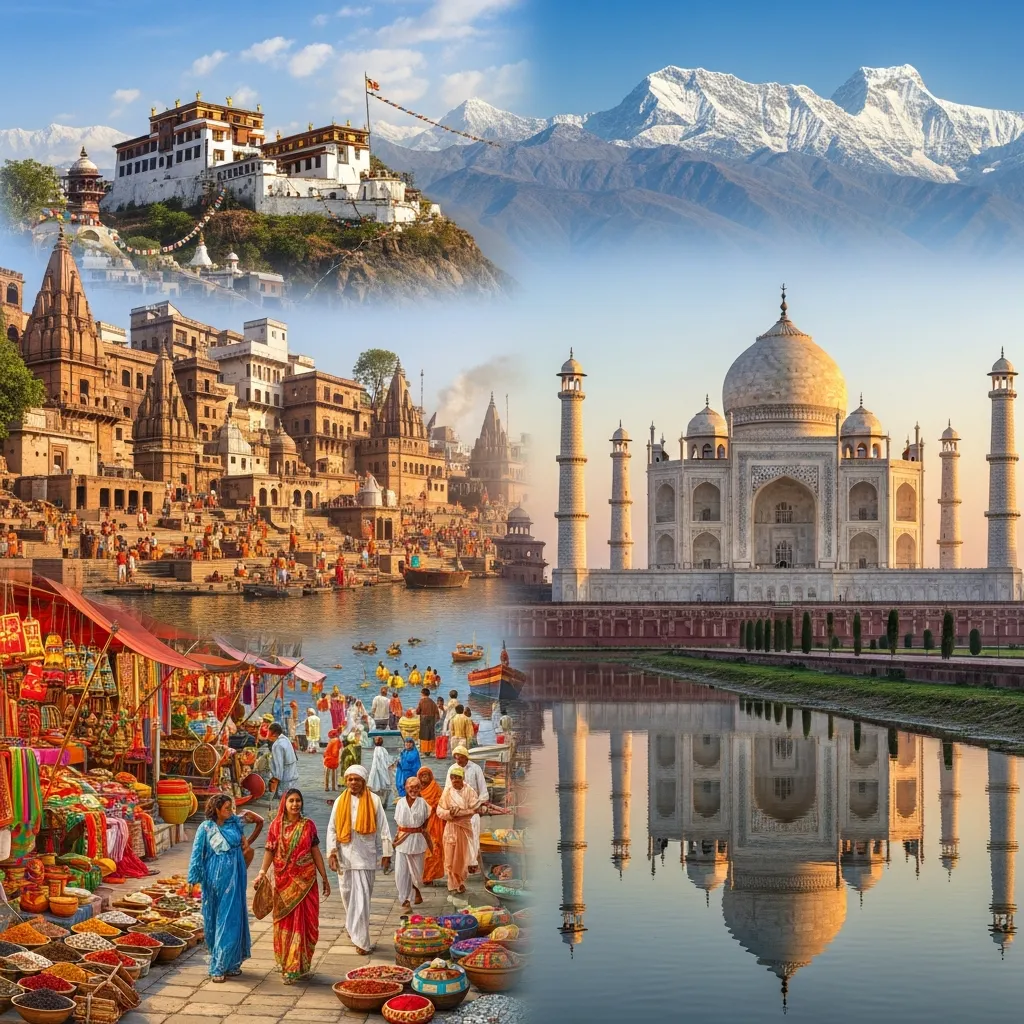
North India is a treasure trove of ancient empires, majestic forts, and profound spiritual sites. If you are looking for monumental architecture and rich history, this region might hold the best place to visit in India for you.
Delhi: A Tapestry of History
The capital city serves as the perfect gateway to the country. Delhi is a fascinating blend of the ancient and the modern, where sprawling historical complexes sit right next to bustling contemporary markets. The Red Fort stands as a massive reminder of Mughal power, while the India Gate honors the sacrifices of Indian soldiers. Not far away, the towering Qutub Minar showcases incredible early Islamic architecture.
Beyond these heavy hitters, Humayun’s Tomb offers a peaceful retreat with its stunning garden layout, often considered a precursor to the Taj Mahal. For a more modern spiritual experience, the lotus-shaped Lotus Temple welcomes people of all faiths to meditate in silence.
Agra: The City of Love
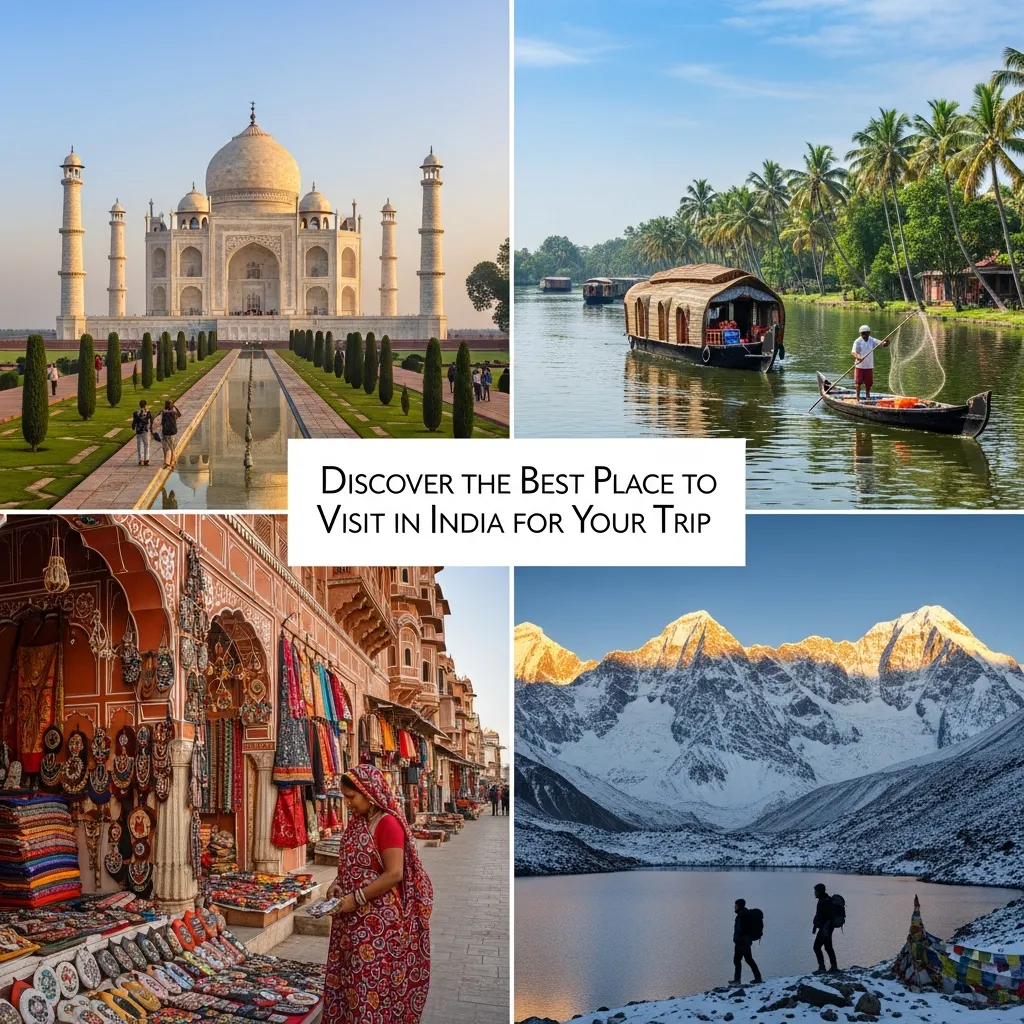
For many first-time visitors, Agra is undeniably the best place to visit in India. It is home to the Taj Mahal, a timeless masterpiece of white marble built by Emperor Shah Jahan in memory of his beloved wife. Seeing the Taj Mahal at sunrise is an experience that words can barely capture.
However, Agra has more to offer than just this iconic monument. The massive Agra Fort provides a deep look into the lives of the Mughal emperors who ruled from within its red sandstone walls. A short drive away lies Fatehpur Sikri, an impeccably preserved ghost town that once served as the empire’s capital.
Jaipur: The Pink City
As the capital of Rajasthan, Jaipur bursts with color, culture, and royal history. The city gets its nickname from the distinct terracotta pink color of its historic buildings. The Amer Fort, perched on a rugged hill just outside the city, features magnificent courtyards and intricate mirror work.
In the heart of the city, the Hawa Mahal (Palace of Winds) allows visitors to marvel at its unique honeycomb facade. The sprawling City Palace complex and the fascinating astronomical instruments of the Jantar Mantar observatory are absolute must-sees. Do not forget to explore the vibrant bazaars, where you can shop for textiles, jewelry, and traditional crafts.
Varanasi: Spiritual Heart of India
Varanasi is one of the oldest continuously inhabited cities in the world and offers an intense, unfiltered look at Indian spirituality. For those seeking a profound cultural experience, Varanasi is often considered the best place to visit in India. The city revolves around the sacred Ganges River.
Walking along the ghats (steps leading down to the river) reveals a constant flow of life and death, rituals, and bathing. The evening Aarti ceremony, where priests perform synchronized rituals with fire to honor the river, is truly hypnotic. Just a few miles away is Sarnath, the ancient site where Lord Buddha gave his first sermon.
Leh-Ladakh: The Land of High Passes
If your idea of the best place to visit in India involves rugged mountains and extreme adventure, look no further than Leh-Ladakh. This high-altitude desert region is famous for its stunning, stark landscapes and vibrant Tibetan Buddhist culture.
Visitors can explore ancient monasteries like Thiksey and Hemis, perched dramatically on rocky hillsides. The region is a playground for adventure enthusiasts, offering world-class trekking routes and thrilling motorbiking paths through some of the highest motorable passes on the planet.
South India: Serene Backwaters and Temple Towns
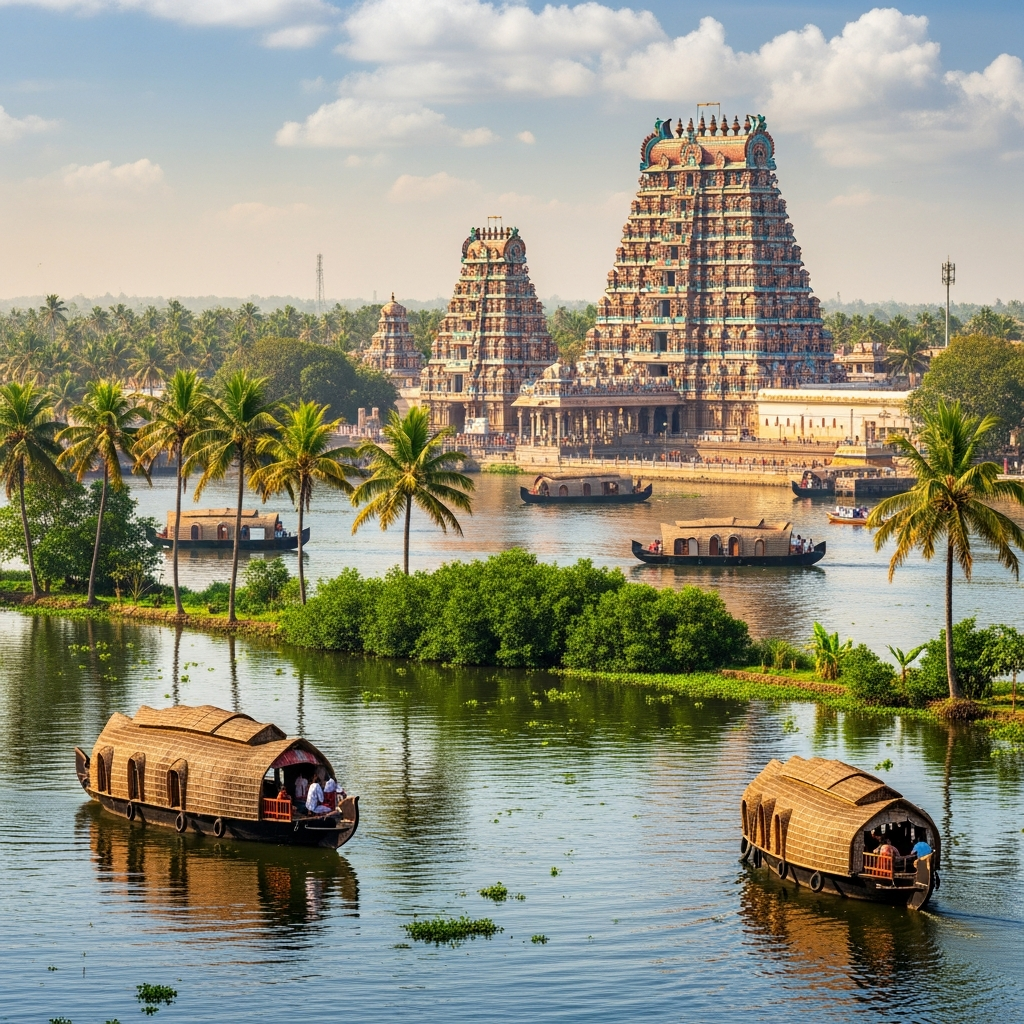
Moving away from the busy northern plains, South India slows the pace down. Here, lush landscapes, intricate stone temples, and coastal breezes dictate the rhythm of life.
Kerala: God’s Own Country
Kerala often ranks at the top of the list when travelers debate the best place to visit in India for relaxation. The state is famous for the Alleppey backwaters, a vast network of interconnected canals, rivers, and lakes. Cruising these waters in a traditional houseboat offers a glimpse into a serene, aquatic way of life.
Inland, the misty hills of Munnar are blanketed with endless tea plantations, offering cool weather and stunning hiking opportunities. On the coast, the golden sands of Kovalam beaches provide the perfect spot to unwind and soak up the tropical sun.
Mysore: The City of Palaces
Located in the state of Karnataka, Mysore is a city that wears its royal heritage proudly. The centerpiece is the Mysore Palace, an incredibly ornate structure that becomes a dazzling spectacle when illuminated by nearly 100,000 lights on Sunday evenings.
Just outside the city, the Brindavan Gardens offer beautifully landscaped terraces and musical fountains. Visitors can also drive up the Chamundi Hills to visit the ancient Chamundeshwari Temple, before heading back down to explore local markets famous for silk sarees and sandalwood products.
Hampi: A UNESCO World Heritage Site
Hampi is a surreal destination characterized by massive boulders and the stunning ruins of the ancient Vijayanagara Empire. For history and photography enthusiasts, this is easily the best place to visit in India.
The Virupaksha Temple remains an active place of worship amidst the sprawling ruins. Exploring the Vittala Temple reveals musical pillars and the iconic Stone Chariot, a masterpiece of ancient Indian rock architecture. Renting a bicycle is the best way to navigate this vast, boulder-strewn landscape.
Goa: Beaches and Bohemian Vibes
Goa is the ultimate destination for beach lovers. Its unique blend of Indian and Portuguese cultures makes it stand out from the rest of the country. North Goa is famous for its bustling beaches, water sports, and vibrant nightlife.
Conversely, South Goa offers serene, uncrowded beaches perfect for deep relaxation. Interestingly, Goa is a major hub for digital nomads. If you look up the copywriter meaning—a professional who writes text for advertising and marketing—you will likely find many such creative professionals working from beachside cafes here, balancing deadlines with ocean views.
East India: Cultural Heritage and Natural Beauty
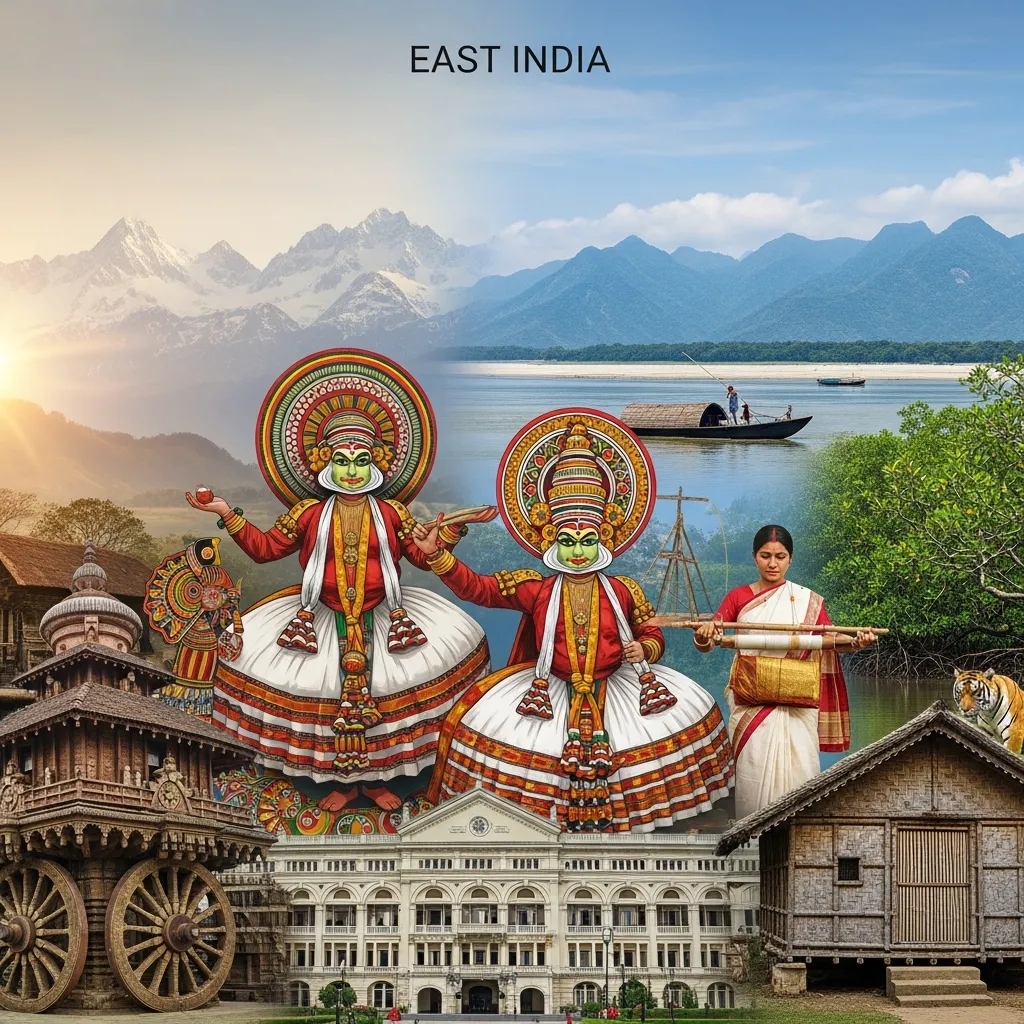
East India is a region of immense intellectual history, colonial architecture, and dramatic mountain scenery. It remains relatively less explored, making it the best place to visit in India for travelers wanting to escape the heavy tourist crowds.
Kolkata: The City of Joy
Kolkata is a city of deep intellect, rich literature, and incredible food. The grand Victoria Memorial stands as a stark reminder of the British Raj, surrounded by manicured gardens. The massive Howrah Bridge stretches over the Hooghly River, constantly buzzing with pedestrians and vehicles.
Visitors can pay their respects at the Mother House, the former residence of Mother Teresa. Beyond the sights, Kolkata is famous for its delicious street food, offering everything from spicy kathi rolls to sweet rasgullas.
Darjeeling: The Queen of Hills
Nestled in the foothills of the Himalayas, Darjeeling is famous for its tea and its historic railway. Taking a ride on the Darjeeling Himalayan Railway, affectionately known as the “Toy Train,” is a nostalgic journey through breathtaking mountain scenery.
The town is surrounded by sprawling tea gardens where you can taste some of the finest brews in the world. On a clear day, visitors are treated to stunning views of Kanchenjunga, the third highest mountain in the world.
Odisha: Temples and Coastal Charms
Odisha is a coastal state that boasts some of the most impressive religious architecture in the country. The Konark Sun Temple, designed in the shape of a massive chariot, is a mind-boggling feat of ancient engineering.
In the city of Puri, the Jagannath Temple draws millions of pilgrims every year. Nature lovers will find their best place to visit in India at Chilika Lake, the largest coastal lagoon in the country, famous for its migratory birds and rare Irrawaddy dolphins.
West India: Desert Landscapes and Metropolitan Hustle
West India offers a striking contrast between the hyper-modern speed of its mega-cities and the timeless traditions of its desert communities.
Mumbai: The City That Never Sleeps
Mumbai is the financial and entertainment powerhouse of the country. The iconic Gateway of India overlooks the Arabian Sea, serving as the city’s most recognizable landmark. A walk along Marine Drive at sunset offers beautiful views and a cool ocean breeze.
Mumbai is also the heart of Bollywood, the massive Indian film industry. Exploring the city means diving into bustling markets, colonial-era architecture, and a dining scene that ranges from cheap street side vada pav to high-end global cuisine.
Rajasthan (beyond Jaipur): Desert Forts and Culture
While Jaipur gets much of the attention, the rest of Rajasthan is equally compelling. Jodhpur, known as the Blue City, is dominated by the imposing Mehrangarh Fort, which offers sweeping views of the blue-painted houses below.
Udaipur is often called the City of Lakes. Its romantic City Palace sits right on the edge of Lake Pichola, creating a fairy-tale atmosphere. Further west lies Jaisalmer, the Golden City. Situated in the heart of the Thar Desert, it is the best place to visit in India for a classic desert safari and a night spent sleeping under the stars. read for more : Best Places to Visit in the World
Planning Your Indian Adventure
India is not just a country you visit; it is an experience you absorb. Whether you seek the chaotic thrill of Delhi, the tranquil waters of Kerala, or the majestic forts of Rajasthan, there is a destination here that will capture your heart.
Finding the best place to visit in India depends entirely on what you want to get out of your journey. The diverse landscapes, deep history, and warm hospitality make it a top contender for the best travel destination on earth. Take the time to decide which region speaks to you the most, secure your visa, pack your bags, and prepare for the adventure of a lifetime.
Frequently Asked Questions
1. What is the overall best place to visit in India for first-time travelers?
For first-timers, the “Golden Triangle” consisting of Delhi, Agra, and Jaipur is generally considered the best place to visit in India. It offers a perfect introduction to the country’s history and architecture.
2. When is the best time to visit India?
The most comfortable time to visit most parts of the country is during the winter months, from November to March, when the weather is cool and dry.
3. Is it safe to travel to India?
Yes, it is generally safe for tourists. However, like any major travel destination, you should exercise standard precautions, such as guarding your valuables and avoiding poorly lit areas at night.
4. Where is the best place to visit in India for a honeymoon?
Kerala and Udaipur are highly recommended for honeymoons. Kerala offers relaxing houseboats, while Udaipur provides romantic lakes and palaces.
5. Do I need a visa to visit?
Yes, most foreign nationals require a visa to enter the country. The e-Visa facility makes this process quite simple for citizens of many countries.
6. What is the best place to visit in India for wildlife lovers?
Ranthambore National Park in Rajasthan and Jim Corbett National Park in Uttarakhand are excellent for spotting Bengal tigers and other wildlife.
7. How should I dress when visiting temples?
Modesty is key. Both men and women should wear clothing that covers their shoulders and knees. You will also need to remove your shoes before entering.
8. Where is the best place to visit in India for beaches?
Goa is the most famous beach destination, offering both lively party scenes in the north and quiet, relaxing stretches of sand in the south.
9. Can I drink the tap water?
No, it is highly recommended that tourists stick to bottled or filtered water to avoid stomach illnesses.
10. What is the best place to visit in India for trekking?
Leh-Ladakh and the state of Himachal Pradesh offer some of the most spectacular and challenging trekking routes in the Himalayas.
11. How do I get around the country?
The railway network is vast and an experience in itself. For longer distances, domestic flights are affordable and efficient. Taxis and auto-rickshaws are great for short city trips.
12. What is the best place to visit in India to experience spirituality?
Varanasi is the ultimate destination for experiencing raw, traditional spirituality. Rishikesh is also highly recommended for yoga and meditation retreats.