Turkey is one of the world’s most diverse travel destinations, offering ancient ruins, stunning coastlines, volcanic landscapes, and rich cultural heritage. The best places to visit in Turkey include Istanbul, Cappadocia, the Turquoise Coast, Pamukkale, Ephesus, Gallipoli, and Antalya—each delivering a completely different experience.
Few countries pack as much variety into a single border as Turkey. You can start your morning in a Byzantine basilica, eat lunch overlooking the Aegean Sea, and fall asleep in a cave hotel carved into volcanic rock—all within the same trip. That rare combination of history, nature, and culture is precisely why Turkey welcomed over 49 million international tourists in 2023, according to the Turkish Ministry of Culture and Tourism, making it one of the ten most visited countries on Earth.
The beautiful places in Turkey span two continents, bridge dozens of civilizations, and suit almost every travel style and budget. History lovers can walk the marble streets of ancient Ephesus. Beach seekers can anchor off the Turquoise Coast. Adventure travelers can drift over Cappadocia’s fairy chimneys in a hot air balloon at sunrise. Foodies can lose an afternoon in Istanbul’s Grand Bazaar, sampling simit, baklava, and freshly ground Turkish coffee.
This guide covers the best places to visit in Turkey in detail—what makes each destination special, when to go, how to get there affordably, and how to plan the smartest possible itinerary. Whether you’re a first-time visitor or a returning traveler looking to explore deeper, you’ll find everything you need right here.
Top Destinations in Turkey Worth Visiting
Istanbul: Where Two Continents Meet
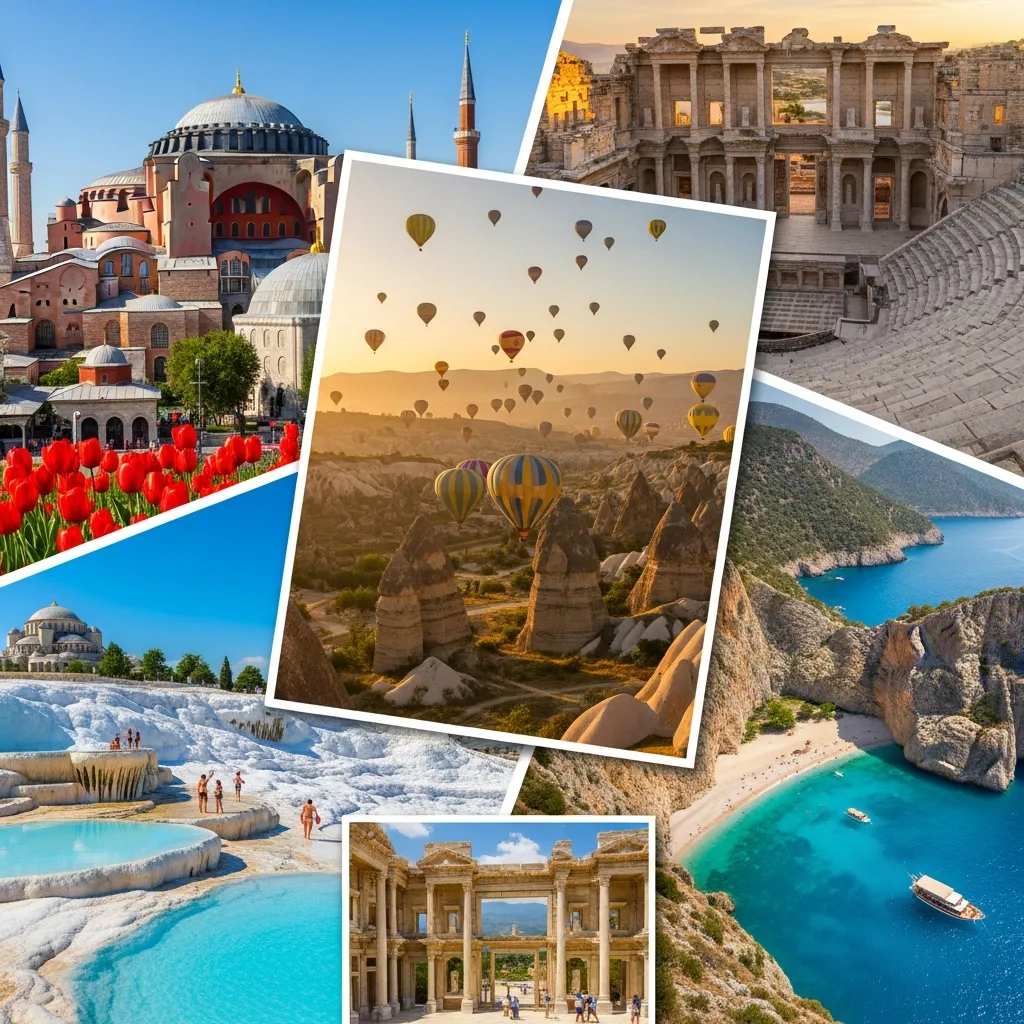
Istanbul is the obvious starting point for any trip to Turkey, and it earns that reputation. Straddling Europe and Asia across the Bosphorus Strait, Istanbul is home to more than 3,000 years of layered history—Ottoman mosques, Byzantine basilicas, and Roman cisterns occupy the same neighborhoods.
The Hagia Sophia, originally built in 537 AD, remains one of the most architecturally significant buildings on Earth. Nearby, the Blue Mosque and Topkapi Palace draw millions of visitors annually. Beneath the streets, the Basilica Cistern—a 6th-century underground reservoir supported by 336 marble columns—offers one of the most atmospheric experiences in the city.
Beyond the landmarks, Istanbul’s neighborhoods reward exploration. Karaköy and Beyoğlu pulse with contemporary galleries and rooftop bars. The Grand Bazaar, with over 4,000 shops spread across 61 covered streets, is as much a cultural experience as a shopping one. For a quieter perspective, the Princes’ Islands—a short ferry ride from the city—offer car-free streets and Ottoman wooden villas.
Cappadocia: Turkey’s Most Otherworldly Landscape
Cappadocia, in central Anatolia, looks like no place else on Earth. Volcanic eruptions millions of years ago left behind a landscape of soft tuff rock, which wind and rain sculpted into towering “fairy chimneys”—cone-shaped rock formations dotting the valleys of Göreme, Ürgüp, and Uçhisar.
Hot air balloon rides over Cappadocia have become one of Turkey’s most iconic experiences. Fleets of balloons launch at dawn daily (weather permitting), floating passengers over rose-colored valleys and ancient cave churches. Cappadocia also offers some of Turkey’s most unusual accommodations—cave hotels carved directly into the rock, many of which have been converted into boutique properties with heated pools and panoramic terraces.
Underground cities like Derinkuyu, capable of housing up to 20,000 people, reveal just how deeply human history runs beneath Cappadocia’s surface. Early Christians used these subterranean complexes as refuge from persecution, carving entire communities—complete with stables, churches, and ventilation shafts—up to 18 stories deep.
Turquoise Coast: Turkey’s Mediterranean Jewel
The Turquoise Coast stretches along Turkey’s southwestern shoreline from Bodrum to Antalya, earning its name from the vivid blue-green waters of the Aegean and Mediterranean Seas. This stretch of coastline ranks among the most beautiful places in Turkey, combining dramatic cliffs, pine-forested hillsides, and ancient ruins accessible only by boat.
Ölüdeniz, near Fethiye, is home to the Blue Lagoon—a sheltered bay of almost impossibly clear water, consistently ranked among Europe’s most photogenic beaches. The Lycian Way, a 540-kilometer hiking trail running along the coast, passes sunken ruins, clifftop tombs, and remote fishing villages that see few tourists.
Bodrum, at the coast’s western end, mixes ancient history—the Mausoleum of Halicarnassus, one of the Seven Wonders of the Ancient World, stood here—with a lively marina town atmosphere that attracts a sophisticated international crowd.
Pamukkale: The Cotton Castle
Pamukkale translates to “cotton castle” in Turkish, and one look at its gleaming white travertine terraces explains why. Centuries of calcium-rich thermal water flowing down the hillside have created a cascading series of snow-white pools, each one filled with warm, mineral-rich water. The site is a UNESCO World Heritage Site and one of the most photographed beautiful places in Turkey.
Immediately adjacent to the terraces lie the ruins of Hierapolis, a Greco-Roman spa city founded around 190 BC. The combination of geological wonder and ancient history makes Pamukkale one of Turkey’s most rewarding day trips or overnight stops.
Ephesus: Walking Through Ancient History
Ephesus was once one of the largest cities in the Roman Empire, with a population estimated at 250,000 at its peak. Today, its ruins—remarkably well-preserved and extensively excavated—stand as Turkey’s most significant archaeological site. The Library of Celsus, the Great Theatre (capacity: 25,000), and the Temple of Hadrian give visitors a tangible sense of the city’s former scale and grandeur.
Nearby, the House of the Virgin Mary draws pilgrims from around the world. The site, a small stone chapel on Mount Koressos, is believed by many to be where Mary spent her final years.
Gallipoli: A Place of Remembrance
For travelers from Australia, New Zealand, and the United Kingdom, Gallipoli carries deep emotional weight. The Gallipoli Peninsula was the site of one of World War I’s most devastating campaigns. The ANZAC Cove landing of April 25, 1915, resulted in catastrophic casualties on both sides and helped forge Australian and New Zealand national identity.
The battlefields, cemeteries, and memorials are maintained with great care and solemnity. Visiting Gallipoli is a moving, reflective experience—one of the best places to visit in Turkey for those seeking to understand both modern history and Turkish culture, as Turkish and Allied soldiers are honored equally at the site.
Antalya: Gateway to the Mediterranean
Antalya is Turkey’s largest Mediterranean city and one of the country’s most popular resort destinations. Its old town, Kaleiçi, features well-preserved Roman and Ottoman architecture, including Hadrian’s Gate—a marble triumphal arch built in 130 AD to commemorate the Emperor’s visit.
The surrounding Antalya region, sometimes called the Turkish Riviera, offers easy access to some of Turkey’s finest beaches, as well as ancient sites like Perge, Aspendos (home to a remarkably intact Roman theatre), and the ruined city of Termessos, perched high in the Taurus Mountains and never conquered by Alexander the Great.
Best Time to Travel to Turkey
The best time to travel to Turkey depends heavily on which region you’re visiting and what you plan to do.
Spring (April–May) is widely considered the best overall time to visit. Temperatures are mild across the country, wildflowers bloom across Cappadocia and the coast, and crowds are smaller than in summer. Istanbul and Ephesus are particularly pleasant during this period.
Summer (June–August) brings peak season to the Turquoise Coast and Aegean destinations. Temperatures routinely exceed 35°C (95°F) along the coast, making beach holidays ideal but inland sightseeing uncomfortable. Expect higher prices and larger crowds at popular sites.
Autumn (September–October) rivals spring as the best travel window. Coastal waters remain warm well into October, summer crowds thin noticeably after mid-September, and the light in Cappadocia takes on a golden quality ideal for photography.
Winter (November–March) is low season for most of Turkey. Istanbul remains a rewarding destination year-round—its museums, restaurants, and covered bazaars make it well-suited to cooler weather. Cappadocia sees snow from December through February, which transforms the landscape into something even more dramatic. Skiing is possible at resorts like Uludağ, near Bursa.
Practical Travel Information

Flight Booking Guide: How to Find Affordable Flights to Turkey
Istanbul Airport (IST) and Sabiha Gökçen Airport (SAW) both serve major international routes. Turkish Airlines operates one of the world’s largest flight networks and frequently offers competitive fares, particularly to Istanbul.
For affordable flights, booking 6–8 weeks in advance typically yields the best prices on transatlantic routes. Traveling mid-week—particularly on Tuesdays and Wednesdays—often produces lower fares than weekend departures.read more details :Flight Booking Guide
Google Flights Calendar Tips for Turkey Travel
Google Flights Calendar tips can save travelers significant money when planning trips to Turkey. The price calendar view in Google Flights allows you to compare fares across an entire month at a glance, making it easy to identify the cheapest departure and return dates without manually searching each combination.
To use this feature effectively: enter your origin and destination, then switch to the “calendar” view to see color-coded pricing across available dates. Enabling price tracking alerts on Google Flights also notifies you when fares drop on your selected route.
AI-Powered Travel Planning Tools for Turkey
AI-powered travel planning tools have transformed itinerary building for complex destinations like Turkey. Platforms such as Mindtrip, Layla (formerly Roam Around), and ChatGPT can generate day-by-day itineraries based on your interests, travel dates, and starting location.
These AI-powered travel tools are particularly useful for multi-region Turkey trips, where optimizing the order of destinations—to minimize backtracking and travel time—can make a significant difference to your overall experience. For example, an AI travel planner might suggest flying into Istanbul, moving east to Cappadocia, then looping south to Pamukkale and the Turquoise Coast before returning from Antalya.
Visa Requirements and Entry Information
Citizens of many countries, including the United States, United Kingdom, and Australia, can obtain a Turkish e-Visa online before travel. The e-Visa application takes approximately 10 minutes and allows stays of up to 90 days. Citizens of some European Union countries enter visa-free. Always verify current requirements through the official Turkish e-Visa portal before booking.
Getting Around Turkey
Domestic flights connect Istanbul with Cappadocia (Kayseri or Nevşehir airports), Antalya, Bodrum, Izmir, and most other major destinations quickly and affordably. Turkish Airlines, Pegasus, and AnadoluJet all serve domestic routes. Intercity buses operated by companies like Metro Turizm and Pamukkale are comfortable, punctual, and considerably cheaper than flights for shorter distances.
Renting a car is the best way to explore the Turquoise Coast and the countryside around Cappadocia, where many ruins and viewpoints lie off the main tourist circuits.
How Turkey Compares to Other Beautiful Destinations
Most Beautiful Places in Scotland vs. Turkey
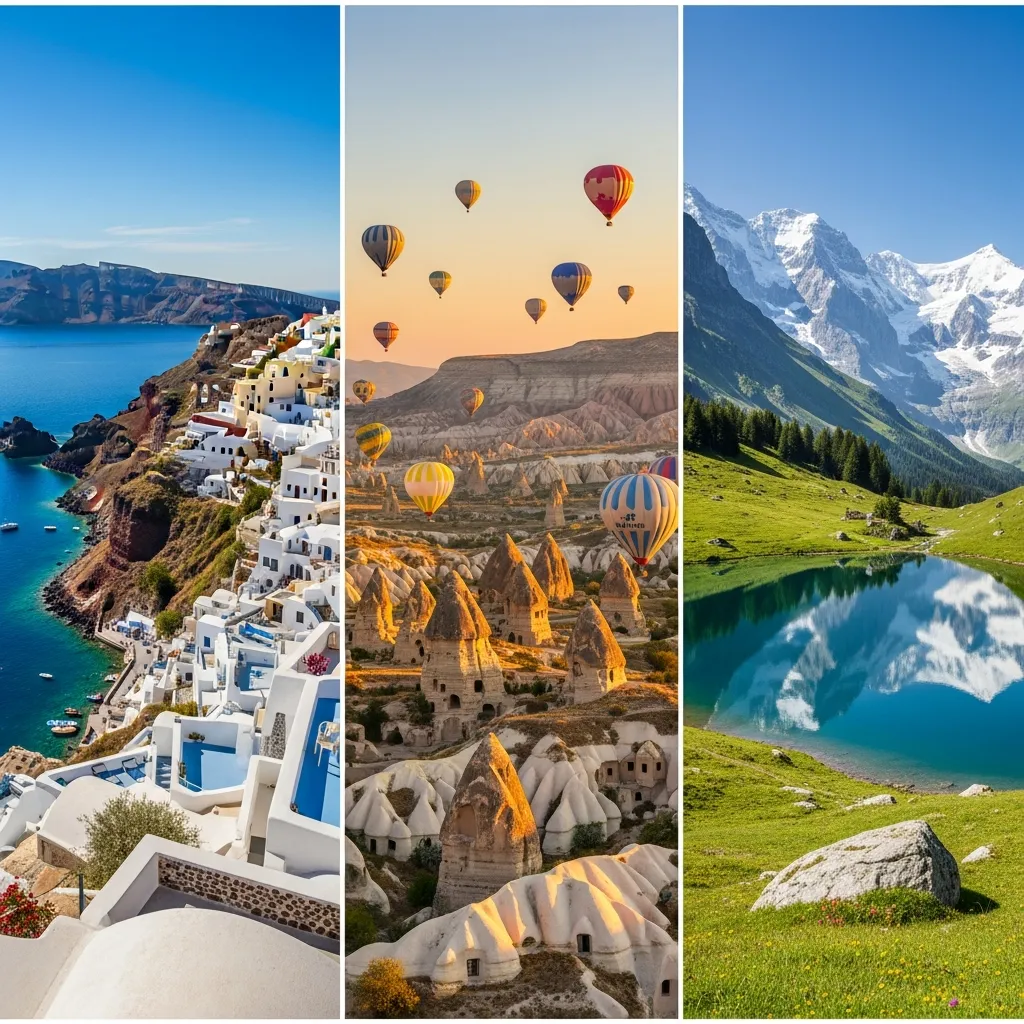
Scotland’s appeal lies in its raw, dramatic landscapes—the Highlands, Isle of Skye, and Loch Ness attract travelers seeking windswept solitude and medieval castle ruins. The most beautiful places in Scotland emphasize nature over human history, with the Cairngorms National Park and Glencoe Valley offering some of the most striking scenery in Europe.
Turkey offers a fundamentally different kind of beauty: the layering of civilizations across millennia, coastal warmth unavailable in Scotland, and a culinary culture of extraordinary depth. Travelers choosing between the two are really choosing between different travel moods rather than comparing equivalent destinations.
Visit in Switzerland vs. Turkey
A visit in Switzerland delivers precision, Alpine grandeur, and one of the world’s most efficient travel infrastructures. The Swiss Alps, Lake Geneva, and the old towns of Bern and Zurich offer polished, reliable beauty. However, Switzerland is significantly more expensive than Turkey at almost every budget level.
Turkey provides comparable natural drama—the Taurus Mountains rival the Alps in many ways—at a fraction of the cost, with the added dimension of ancient history and a richer diversity of landscapes compressed into a single country.
Make Turkey Your Next Great Adventure
Turkey remains one of the most compelling travel destinations on Earth—and not just because of its famous landmarks. The country’s depth rewards repeat visits and slow travel equally. Every region holds something that most tourists miss: a rock-cut church in Cappadocia’s Ihlara Valley, a Lycian tomb half-submerged in turquoise water, a fish market breakfast in Karaköy before the crowds arrive.
The best places to visit in Turkey are diverse enough to fill multiple trips, but cohesive enough that a well-planned two-week itinerary can take you from Byzantine Istanbul to ancient Ephesus to the thermal pools of Pamukkale without feeling rushed. Use AI-powered travel planning tools to build your itinerary, apply Google Flights Calendar tips to lock in the best fares, and aim for spring or autumn travel to avoid peak-season crowds.
Turkey is the kind of destination that stays with you long after you’ve returned home. Start planning now—the beautiful places in Turkey are waiting.
Frequently Asked Questions About the Best Places to Visit in Turkey
What are the best places to visit in Turkey?
The best places to visit in Turkey include Istanbul, Cappadocia, Pamukkale, Antalya, Ephesus, Fethiye, and Bodrum. These destinations offer a unique mix of ancient history, stunning natural landscapes, Mediterranean beaches, and vibrant local culture, making them the top choices for first-time and returning visitors alike.
Is it safe to visit the best places to visit in Turkey?
Yes. Most of the best places to visit in Turkey, including Istanbul, Cappadocia, Antalya, and the Turquoise Coast, are generally safe for tourists. The country has a well-developed tourism infrastructure, though travelers should always check current travel advisories and follow standard safety precautions.
How many days do I need to explore the best places to visit in Turkey?
To experience the best places to visit in Turkey, plan for 10–14 days. This gives you enough time to visit Istanbul, Cappadocia, and either Pamukkale and Ephesus or the Turquoise Coast. A three-week trip allows for a more comprehensive Turkey itinerary.
What’s a realistic daily budget for visiting the best places to visit in Turkey?
A trip covering the best places to visit in Turkey can cost around USD $50–70 per day for budget travelers, $100–150 per day for mid-range travel, and $300+ per day for luxury experiences, depending on accommodation, dining, and activities.
Do I need vaccinations before visiting the best places to visit in Turkey?
No vaccinations are legally required to visit the best places to visit in Turkey. However, travelers should ensure routine vaccinations are up to date and consult a travel health professional before departure, especially if visiting rural regions.
What currency should I use when visiting the best places to visit in Turkey?
The currency used throughout the best places to visit in Turkey is the Turkish Lira (TRY). ATMs are widely available and usually provide competitive exchange rates, making them a convenient option for most travelers.
Can I visit multiple best places to visit in Turkey on one trip?
Yes. Turkey’s extensive domestic flight network makes it easy to visit multiple best places to visit in Turkey in a single itinerary. A popular route is Istanbul → Cappadocia → Pamukkale → Ephesus → Antalya, combining flights, buses, and rental cars.
What are the hidden gems among the best places to visit in Turkey?
Besides the famous attractions, some hidden gems among the best places to visit in Turkey include Mardin, Şirince, Ayder Plateau, Amasya, and Lake Salda. These destinations offer authentic experiences away from the busiest tourist crowds.
How do the best places to visit in Turkey compare with Switzerland or Scotland?
The best places to visit in Turkey provide greater diversity within one country, combining ancient ruins, Mediterranean beaches, mountain landscapes, and vibrant cities. Turkey is also generally more affordable than Switzerland while offering warmer weather and a wider variety of historical attractions than Scotland.
What is the best season to explore the best places to visit in Turkey?
The best places to visit in Turkey can be enjoyed year-round. Spring (April–May) is ideal for sightseeing, summer (June–August) is perfect for beaches, autumn (September–October) offers pleasant weather for Cappadocia and cultural tours, while winter (December–February) is great for Istanbul city breaks and skiing.
Which AI tools can help plan the best places to visit in Turkey?
AI travel planners such as Mindtrip, Layla, Google Flights, and ChatGPT can help organize an itinerary covering the best places to visit in Turkey, compare transportation options, estimate travel costs, and recommend attractions based on your interests.
What cultural customs should I know before visiting the best places to visit in Turkey?
When exploring the best places to visit in Turkey, dress modestly at mosques, remove your shoes before entering religious sites, tip around 10% in restaurants, bargain politely in local bazaars, and learn a few Turkish phrases such as Merhaba (Hello) and Teşekkür ederim (Thank you) to enhance your travel experience.