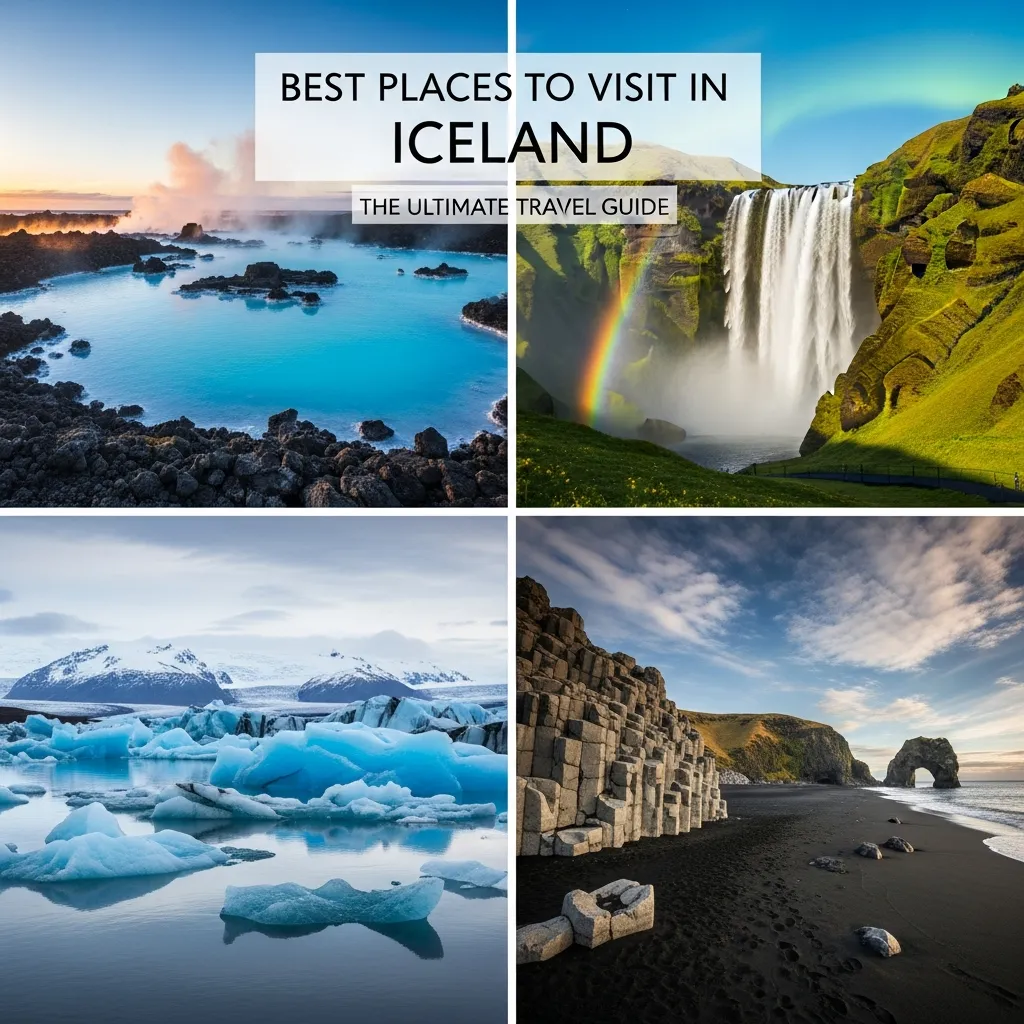
The best places to visit in Iceland include the Golden Circle, the South Coast, Jökulsárlón Glacier Lagoon, the Snæfellsnes Peninsula, the Westfjords, and Reykjavík. Iceland offers volcanic landscapes, glaciers, waterfalls, and the Northern Lights—making it one of the world’s most extraordinary travel destinations for all types of adventurers.
Iceland doesn’t ease you in gently. From the moment you land, the landscape demands your attention—steam rising from the earth, lava fields stretching to the horizon, waterfalls plunging into icy rivers. Few places on Earth make you feel so small and so alive at the same time.
The best places to visit in Iceland range from iconic roadside attractions to remote wilderness that takes real effort to reach. Whether you’re chasing the Northern Lights in December or hiking under the midnight sun in July, Iceland delivers an experience that simply cannot be replicated elsewhere. The country receives over 2 million visitors annually, yet still manages to feel wild and untamed the moment you venture beyond the main tourist trail.
This guide covers every major region and landmark—from the famous Golden Circle to the rarely visited Westfjords—along with practical trip planning tips, eco-conscious travel considerations, and a brief comparison with other top travel destinations. By the end, you’ll have everything you need to plan the Icelandic adventure of a lifetime.
The Golden Circle: Iceland’s Most Iconic Route
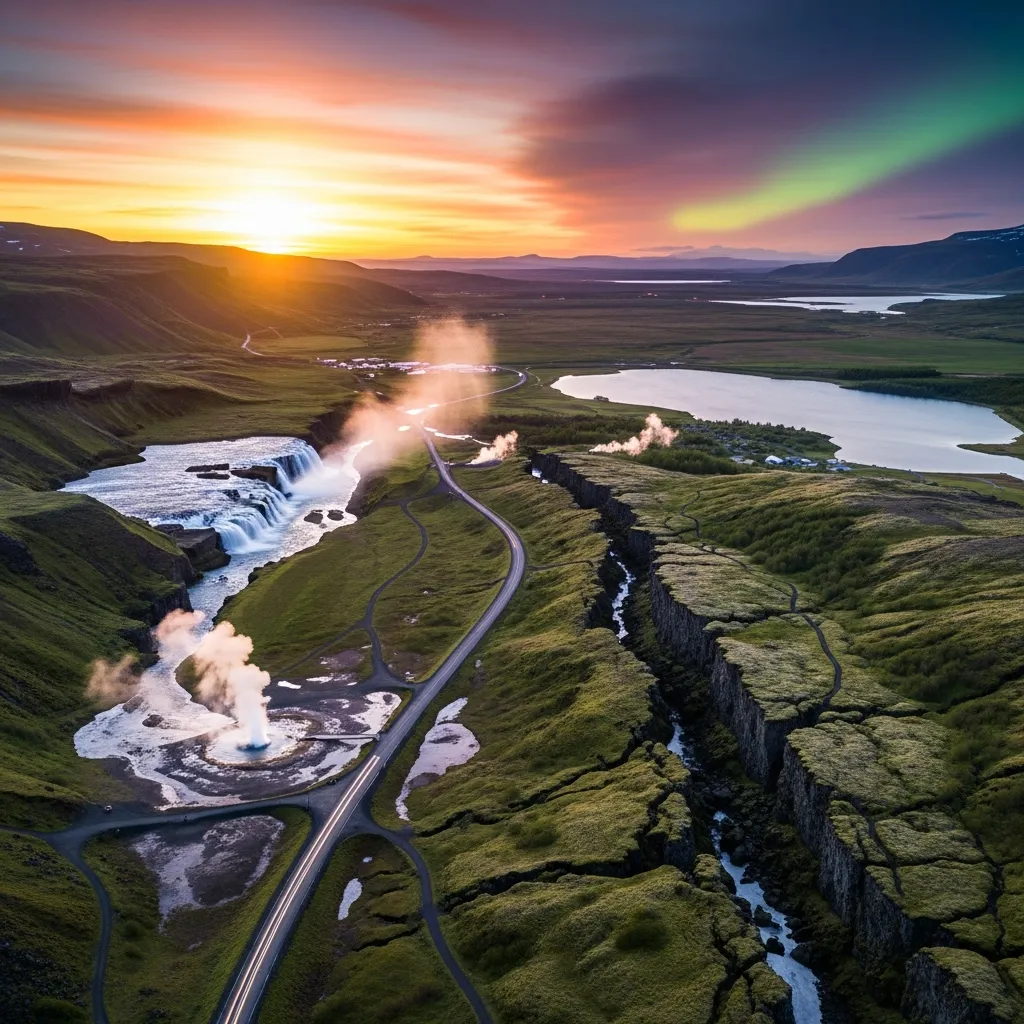
The Golden Circle is the most visited route in Iceland, and for good reason. Covering roughly 300 kilometers from Reykjavík, it connects three world-class natural and historical sites in a single day trip.
Þingvellir National Park: Where Continents Meet
Þingvellir (Thingvellir) National Park is one of the best places to visit in Iceland for history and geology combined. This UNESCO World Heritage Site sits directly on the rift valley between the North American and Eurasian tectonic plates. You can literally walk between two continents here. Divers and snorkelers flock to Silfra fissure to swim in crystal-clear glacial water with visibility exceeding 100 meters. Historically, Þingvellir hosted the world’s oldest parliament, the Alþingi, founded in 930 AD.
Geysir Geothermal Area: Nature’s Pressure Cooker
The Geysir geothermal area gave the world the word “geyser.” While the original Great Geysir only erupts occasionally, its neighbor Strokkur performs reliably every five to ten minutes, shooting boiling water up to 30 meters into the air. The surrounding hot springs, fumaroles, and colorful mineral deposits make this one of Iceland’s most visually dramatic stops.
Gullfoss Waterfall: The Golden Waterfall
Gullfoss—translating to “Golden Falls”—is a two-tiered waterfall on the Hvítá river that drops a total of 32 meters before disappearing into a narrow canyon. On sunny days, rainbows arch over the mist. On stormy days, the raw power of the falls is genuinely humbling. Gullfoss is widely considered one of the best places to visit in Iceland for first-time travelers.
The South Coast: Waterfalls, Black Sands, and Glaciers
Iceland’s South Coast is arguably the most diverse stretch of scenery in the country. Along this single coastal road, you’ll encounter towering waterfalls, volcanic beaches, and accessible glaciers—all within a few hours of Reykjavík.
Seljalandsfoss and Skógafoss: Two Waterfalls, Two Experiences
Seljalandsfoss is unique among Icelandic waterfalls because a path leads behind the curtain of water, offering a perspective few waterfalls in the world can match. Just 30 kilometers further east, Skógafoss drops 60 meters in a single, thunderous cascade. A staircase of 527 steps leads to a viewpoint at the top, where the entire South Coast unfolds before you.
Reynisfjara Black Sand Beach: Iceland’s Most Dramatic Shoreline
Reynisfjara is consistently ranked among the best places to visit in Iceland for its sheer visual drama. The beach features hexagonal basalt columns, sea caves carved by Atlantic waves, and towering rock stacks called Reynisdrangar rising from the ocean. The waves here are notoriously powerful and unpredictable—stay well back from the waterline.
Sólheimajökull Glacier: Walk on Ice
Sólheimajökull is an outlet glacier of the larger Mýrdalsjökull ice cap and one of the most accessible places in Iceland for glacier hiking. Guided tours take visitors across crevasses and ice formations. Notably, the glacier has retreated significantly in recent decades, making a visit both breathtaking and sobering.
Vík í Mýrdal: Iceland’s Southernmost Village
The small village of Vík is a natural stopping point on the South Coast. The dramatic Dyrhólaey arch—a massive rock formation with a natural arch large enough for small planes to fly through—sits just outside the village and offers panoramic views across the black sand coastline.
Jökulsárlón Glacier Lagoon and Diamond Beach: Icy Marvels
Jökulsárlón is one of the most photographed places in Iceland, and the images barely do it justice. Icebergs calved from the Breiðamerkurjökull glacier drift slowly across a deep lagoon before floating out to sea. Boat tours weave between the ice formations, giving travelers an up-close encounter with these ancient, blue-tinged giants.
Directly across the road, Diamond Beach earns its name from the ice chunks that wash ashore on black sand, catching the light like scattered gemstones. At sunrise or sunset, this is one of the best places to visit in Iceland for photography. The contrast between the glittering ice and the volcanic black sand is genuinely extraordinary.
The Snæfellsnes Peninsula: Iceland in Miniature
Often described as “Iceland in miniature,” the Snæfellsnes Peninsula packs an extraordinary variety of landscapes into a relatively small area. The region is dominated by Snæfellsjökull, a glacier-capped stratovolcano immortalized by Jules Verne as the entrance to the Earth’s interior in Journey to the Centre of the Earth.
Kirkjufell Mountain: Iceland’s Most Photographed Peak
Kirkjufell, at 463 meters, is the most photographed mountain in Iceland. Its distinctive arrow-like shape, paired with the nearby Kirkjufellsfoss waterfall, has appeared in countless travel publications and even the TV series Game of Thrones. The best shots come from the small bridge over the stream at the mountain’s base, particularly during golden hour or when the Northern Lights are active.
Djúpalónssandur and Arnarstapi: Coastal Drama
Djúpalónssandur is a black pebble beach littered with the rusted remains of a British trawler that wrecked here in 1948. Four lifting stones of varying weights were historically used to test the strength of fishermen—visitors still attempt them today. Further along the coast, the villages of Arnarstapi and Hellnar are connected by a coastal walking trail past dramatic basalt formations and nesting seabirds.
The North: Mývatn, Akureyri, and Dettifoss
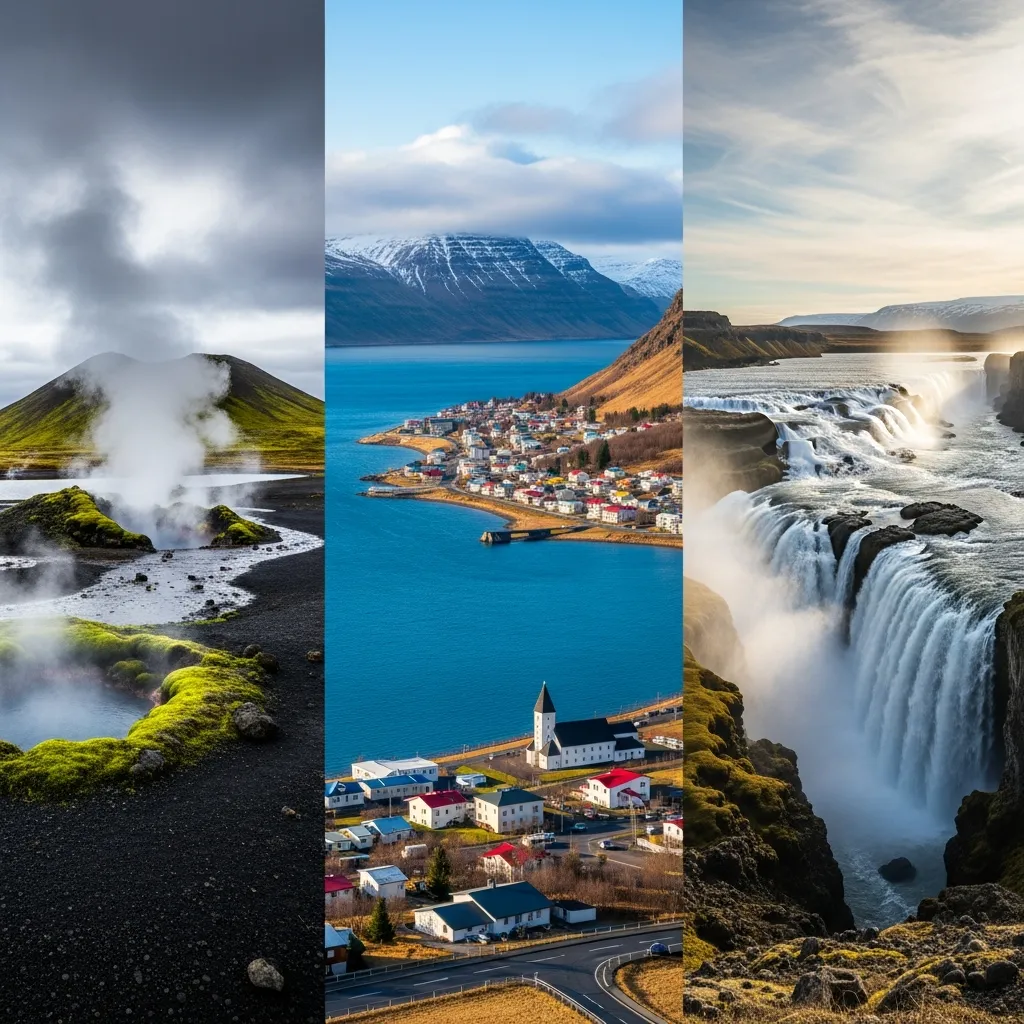
Northern Iceland is geologically hyperactive. The region around Lake Mývatn sits directly over a volcanic hotspot, producing a landscape that looks freshly made.
Lake Mývatn: Geothermal Wonderland
Lake Mývatn and its surroundings offer pseudocraters, lava formations, boiling mud pools, and one of Iceland’s richest birdlife habitats. The Mývatn Nature Baths—a geothermal spa similar to the Blue Lagoon but far less crowded—provides a perfect way to end a day of exploration.
Dettifoss: Europe’s Most Powerful Waterfall
Dettifoss is one of the most powerful waterfalls in Europe, carrying an average of 193 cubic meters of water per second over a 44-meter drop. The sheer volume of water creates a roar that can be heard from kilometers away, and the spray creates a permanent mist over the gorge. This is one of the best places to visit in Iceland for travelers seeking raw, unfiltered natural power.
Akureyri: The Capital of the North
Iceland’s second-largest urban area, Akureyri sits at the head of the Eyjafjörður fjord and serves as the gateway to the north. The town features botanical gardens, a charming pedestrian shopping street, and excellent whale-watching tours operating from its harbor. Flying to Akureyri from Reykjavík takes about 45 minutes—a useful option when comparing Google Flights vs Kayak for domestic connections within Iceland.
The Westfjords: Untamed Wilderness
The Westfjords are the best places to visit in Iceland for travelers seeking solitude and genuinely off-the-beaten-path scenery. The roads are long and winding, the services are limited, and the rewards are extraordinary.
Dynjandi Waterfall: The Jewel of the Westfjords
Dynjandi is a series of seven cascading waterfalls, the largest of which fans out to 60 meters wide at its base. Unlike Iceland’s more accessible waterfalls, reaching Dynjandi requires effort—which means most visitors have it largely to themselves.
Látrabjarg Bird Cliffs: Europe’s Largest Seabird Colony
Látrabjarg is the westernmost point of Europe and home to one of the continent’s largest seabird colonies, including millions of puffins, razorbills, and guillemots. Puffins here are famously unbothered by human presence and can be approached closely during the summer nesting season.
The Highlands: Adventure in the Interior
Iceland’s interior Highlands are only accessible in summer, when the F-roads—unpaved mountain tracks—open to four-wheel-drive vehicles and purpose-built super jeeps.
Landmannalaugar: The Rainbow Mountains
Landmannalaugar is famous for its rhyolite mountains, which display an extraordinary palette of reds, yellows, greens, and purples. The area also features natural geothermal hot springs where hikers soak after long trails. Landmannalaugar serves as the starting point for the famous Laugavegur hiking trail, widely considered one of the world’s great multi-day treks.
Askja Caldera: Iceland’s Lunar Landscape
NASA trained Apollo astronauts at Askja before the moon landings due to its uncanny resemblance to the lunar surface. The caldera contains a lake—Öskjuvatn—that is one of Iceland’s deepest, alongside the smaller Víti crater lake, which is warm enough to swim in.
Reykjavík: The Vibrant Capital
Reykjavík is the world’s northernmost capital city and the natural base for exploring the best places to visit in Iceland. The city is compact, walkable, and full of character.
Hallgrímskirkja Church dominates the skyline with its 74-meter tower, designed to evoke the basalt columns found across the Icelandic countryside. Harpa Concert Hall, with its geometric glass facade reflecting the harbor, won the European Union Prize for Contemporary Architecture in 2013. Beyond the landmarks, Reykjavík’s food scene—heavy on lamb, fish, and skyr—and its legendary weekend nightlife make it far more than just a transit hub.
Unique Icelandic Experiences You Shouldn’t Miss
Some of the best places to visit in Iceland aren’t places at all—they’re experiences.
- Northern Lights: Best seen between September and March in areas away from light pollution. Vík, Þingvellir, and the Westfjords offer particularly good viewing conditions.
- Blue Lagoon: Located near the Reykjanes Peninsula, the Blue Lagoon is Iceland’s most visited attraction. The milky-blue geothermal water averages 38°C year-round.
- Whale Watching: Húsavík in northern Iceland is considered the whale-watching capital of Europe, with humpback and minke whales regularly spotted.
- Icelandic Horse Riding: The Icelandic horse breed is unique to the island and renowned for its smooth tölt gait, offering a memorable way to explore the countryside.
- Eco-Friendly Glamping: Eco-friendly glamping options have grown significantly across Iceland, particularly in the South Coast and Snæfellsnes regions. These allow travelers to sleep close to nature without compromising on comfort or environmental responsibility—a particularly meaningful choice in a country where preserving the landscape is a national priority.
Planning Your Trip to Iceland: Practical Tips
Best time to visit: Summer (June–August) offers the midnight sun, open Highland roads, and the most accessible conditions. Winter (November–February) is ideal for Northern Lights and snow activities. Spring and autumn offer fewer crowds and dramatic light.
Transportation: Renting a car gives you the most flexibility. For Highland travel, a 4WD vehicle is essential. When booking flights, comparing Google Flights vs Kayak is a reliable way to find competitive fares on international and domestic routes.
Accommodation: Book well in advance for summer travel. Options range from Reykjavík’s boutique hotels to eco-friendly glamping pods near Kirkjufell and the glacier lagoon. Eco-friendly glamping is particularly popular among environmentally conscious travelers seeking immersive experiences without the carbon footprint of a hotel.
Packing essentials: Waterproof outer layers, thermal base layers, sturdy hiking boots, and a reusable water bottle (Iceland’s tap water is among the purest in the world) are non-negotiable.
Best Places to Visit in Iceland vs. Best Places to Visit in Greece: A Brief Comparison
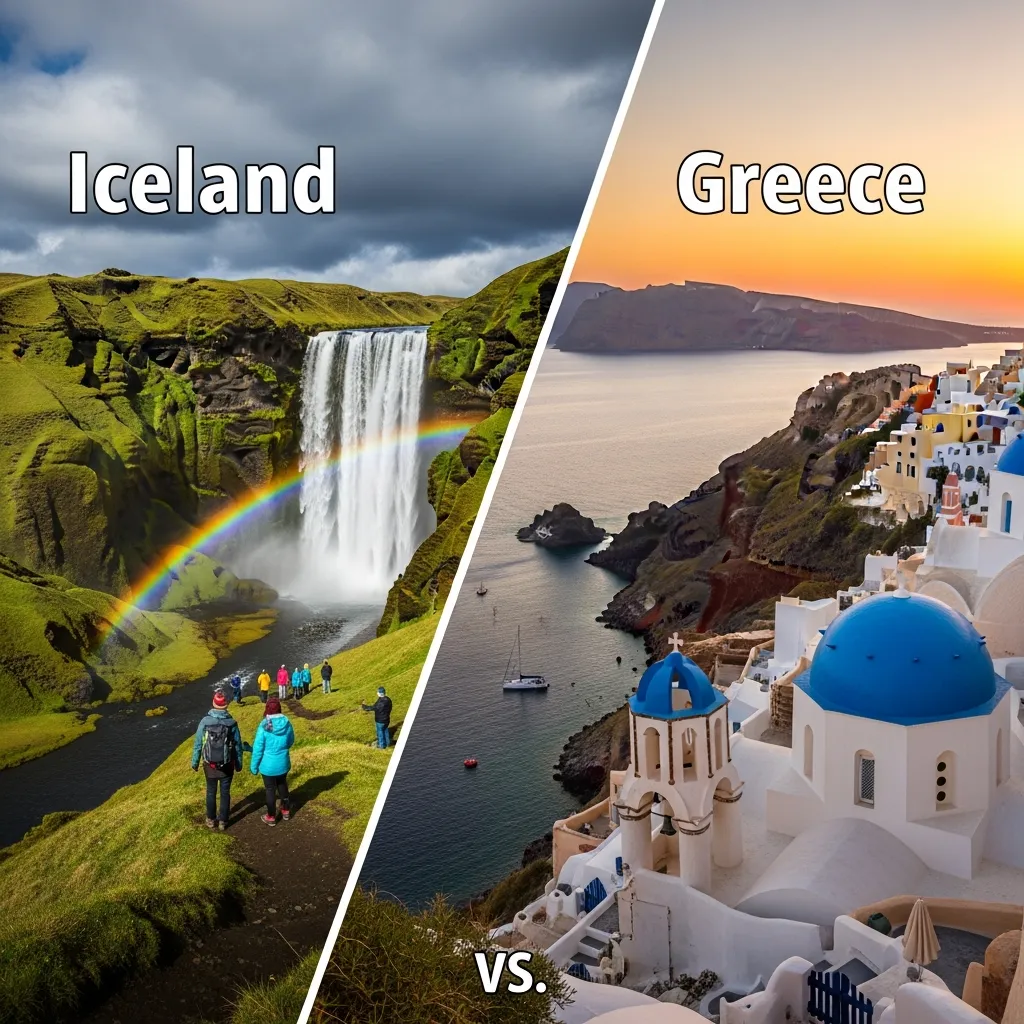
The best places to visit in Greece and the best places to visit in Iceland offer fundamentally different travel experiences. Greece delivers ancient history, Mediterranean warmth, island-hopping, and a slower pace of life. Iceland, by contrast, rewards those drawn to extreme natural phenomena, outdoor adventure, and dramatic, ever-changing weather.
Greece suits travelers prioritizing culture, cuisine, beach relaxation, and archaeological depth—particularly at sites like Athens, Santorini, and the Peloponnese. Iceland suits those who want to feel genuinely remote, challenge themselves physically, and witness natural wonders that exist nowhere else on Earth.
For adventure-focused travelers considering other international alternatives, the best places to visit in Vietnam offer a similarly diverse range of landscapes—from Ha Long Bay to the rice terraces of Sapa—but within a completely different cultural and climatic context. Vietnam and Iceland represent opposite ends of the adventure travel spectrum, making both worth considering depending on your travel priorities.
The choice ultimately comes down to what moves you. History, warmth, and beaches—or volcanoes, glaciers, and the Northern Lights.
Conclusion
Iceland rewards those who explore it with intention. The best places to visit in Iceland span every corner of the country—from Reykjavík’s vibrant streets to the silent, windswept cliffs of the Westfjords—and no two trips are ever the same. The landscape changes with the seasons, the light shifts by the hour, and the sense of discovery never quite wears off.
Start with the Golden Circle and the South Coast to build your foundation. Then push further—into the Highlands, across the Snæfellsnes Peninsula, out to the Westfjords—and you’ll find a version of Iceland that most visitors never see. Whether you travel in the perpetual light of summer or the frost-crisp darkness of winter, Iceland will leave a mark.
Frequently Asked Questions About the Best Places to Visit in Iceland
What are the Best Places to Visit in Iceland for first-time travelers?
For first-time travelers, the Best Places to Visit in Iceland include the Golden Circle, Reykjavík, and the South Coast. These areas offer waterfalls, glaciers, black sand beaches, and Iceland’s most iconic landscapes.
When is the best time to visit Iceland?
Summer is best for road trips, long daylight, and Highland access, while winter is ideal for Northern Lights and ice caves. Spring and autumn offer fewer crowds and lower prices.
How many days do you need to see the Best Places to Visit in Iceland?
You need at least 7 days to cover Reykjavík, the Golden Circle, and the South Coast. For a full Iceland trip including the Westfjords or North Iceland, 10–14 days is better.
Is Iceland worth visiting in winter?
Yes, winter is a great time to see the Best Places to Visit in Iceland with snow-covered scenery, Northern Lights, and glacier adventures.
What is the best way to get around Iceland?
Renting a car is the best way to explore the Best Places to Visit in Iceland. A 4WD is recommended for the Highlands, while regular cars work for the Ring Road.
Is Iceland expensive for travelers?
Yes, Iceland is one of Europe’s most expensive destinations. Visiting the Best Places to Visit in Iceland usually requires a higher budget for hotels, food, and transport.
Can you swim in natural hot springs in Iceland?
Yes, Iceland has many geothermal pools and hot springs, including the Blue Lagoon, Mývatn Nature Baths, and Landmannalaugar.
What should I pack for Iceland?
Pack waterproof clothing, thermal layers, hiking boots, gloves, and a reusable water bottle. Iceland’s weather changes quickly, even in summer.