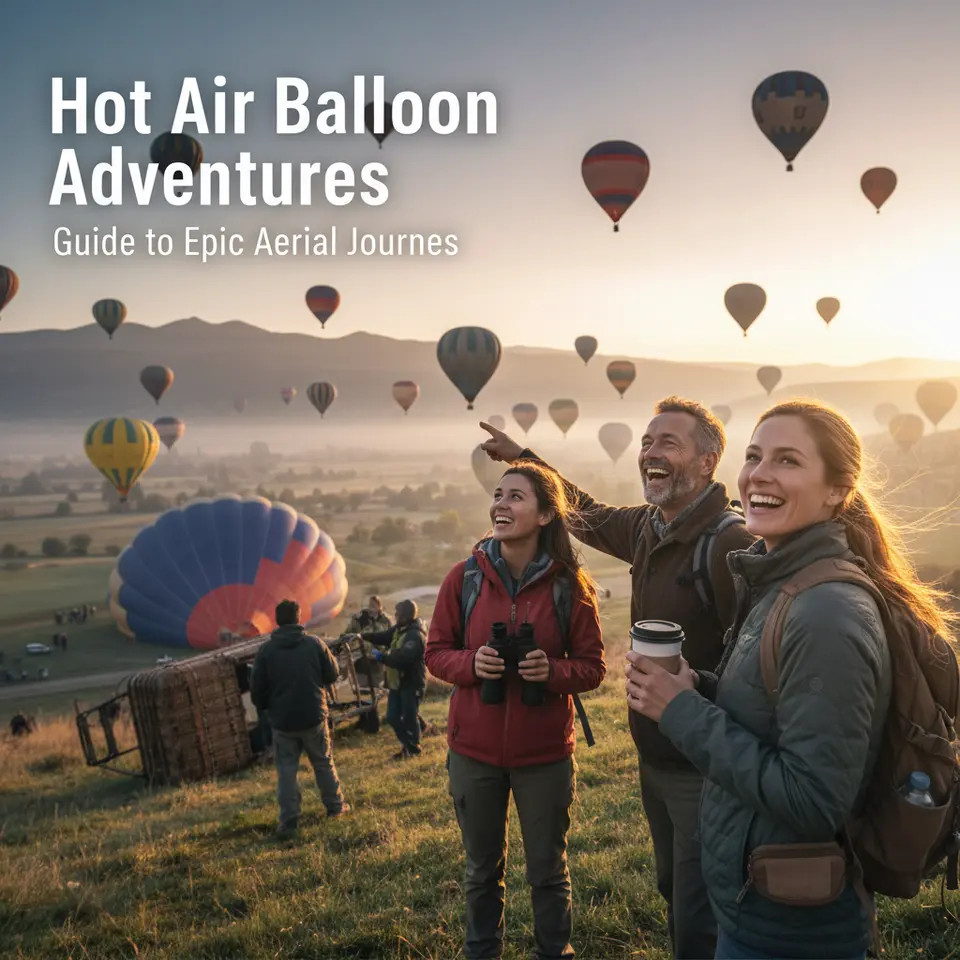
Few pursuits capture the blend of tranquility and wonder as effectively as hot air ballooning. Waking up before dawn, you step into a field shrouded in mist and anticipation. The burner ignites with a rhythmic roar, and the envelope slowly rises, carrying you above valleys, vineyards, or ancient ruins. In today’s fast-paced world, this serene voyage offers a respite—an opportunity to marvel at landscapes from an aerial vantage point untouched by roads or engines.
Currently, enthusiasts and first-timers alike are seeking out these airborne adventures to create lifelong memories and stunning photographs. This year, interest in balloon excursions has surged as travelers prioritize unique, experiential getaways. Whether you are plotting a romantic sunrise drift over fairy chimneys or planning a wildlife expedition above sprawling plains, understanding the logistics, safety protocols, and best practices will ensure your trip is unforgettable. Join us as we soar through the essentials of planning, packing, and photographing your perfect hot air balloon flight.
The Origins and Aeronautical Charm of Hot Air Ballooning
Hot air ballooning traces its roots to France in the late 1700s when the Montgolfier brothers launched the first manned aerostat above Paris. By harnessing heated air to generate lift, their invention unlocked the skies for human exploration. Today, modern balloons uphold the same fundamental physics: warm air inside the fabric envelope rises, carrying a basket and passengers aloft. Advances in envelope materials, burner efficiency, and navigation instruments have refined safety and comfort, yet the core experience remains as poetic as it was centuries ago.
From a scientific angle, ballooning is a study in thermodynamics and meteorology. Pilots carefully monitor temperature gradients, wind shear, and atmospheric stability to plan ascents and descents. The Federal Aviation Administration outlines stringent certification requirements on faa gov, ensuring every licensed pilot masters these complex variables. Meanwhile, aeronautical researchers at institutions like NASA provide ongoing insights into fluid dynamics and lightweight composites that influence envelope design—see their research summaries at nasa .
Beyond science, hot air ballooning appeals to the senses. You feel the gentle sway of the basket responding to air currents, hear the soft hiss of propane igniting, and smell the dew-steeped grasses below. The panoramic views—whether rolling hills, patchwork fields, or desert sands—unfurl in silence, broken only by brief burner bursts. It’s this union of history, engineering, and sensory immersion that secures hot air ballooning’s place on adventurous bucket lists today.
Spectacular Destinations for Your Balloon Adventure
Cappadocia, Turkey
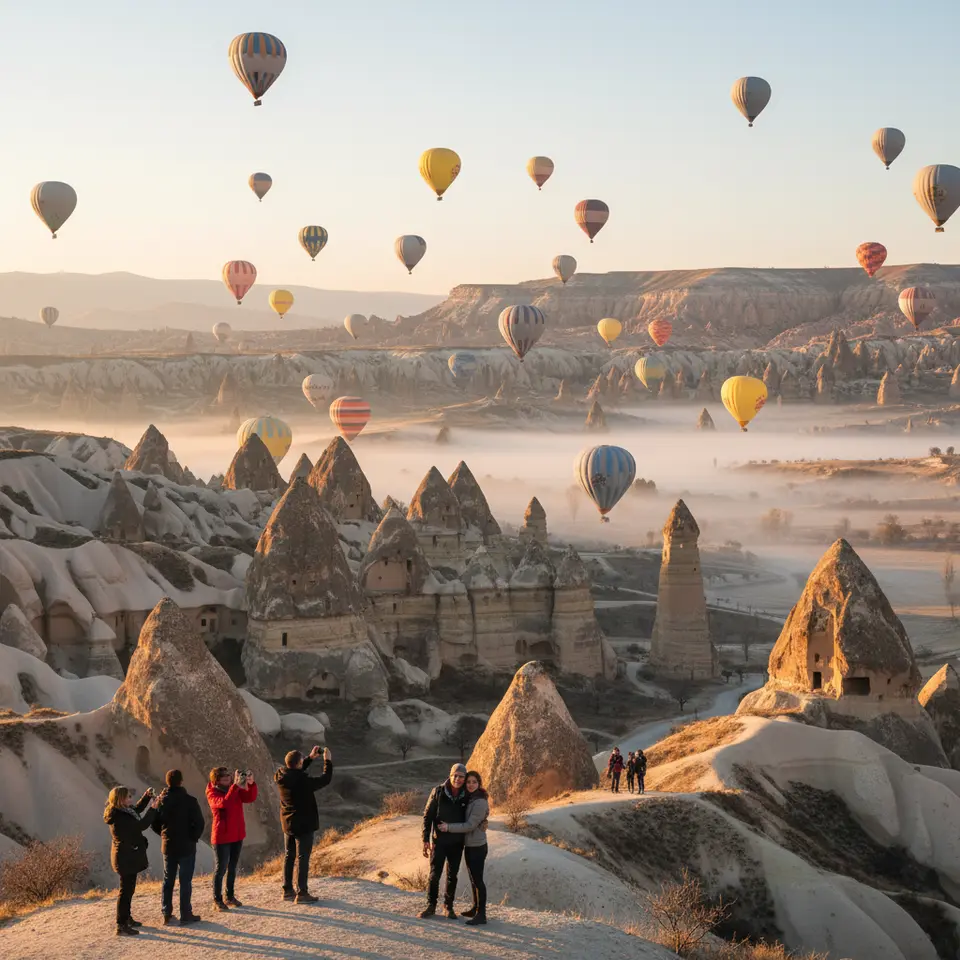
Renowned for its lunar-like terrain and ancient cave dwellings, Cappadocia offers an ethereal backdrop at sunrise. Hundreds of balloons ascend in unison, painting the sky with vibrant colors as they drift over fairy chimneys and volcanic spires. Many operators provide pre-dawn hotel pickups and hot beverages to keep you warm during inflation, making this an iconic departure point for both romantics and photographers.
Albuquerque, New Mexico, USA
Home to the world’s largest balloon festival, Albuquerque hosts the International Balloon Fiesta each October, drawing pilots from around the globe. Outside festival season, this high-desert locale delivers consistent morning thermals and clear skies. Balloonists glide above mesas and arroyos, often spotting wildlife like mule deer or hawks. Local companies emphasize safety briefings and vehicle-scale recoveries, ensuring smooth landings and post-flight toasts.
Serengeti Plains, Tanzania
For those seeking a wildlife encounter from the air, Serengeti balloon safaris deliver unparalleled views of migrating wildebeest and zebra herds. Launching at first light, you drift over the vast savanna as dawn light creates dramatic shadows on the ground. Pilots coordinate closely with ground teams to track animal movements, offering both comfort and eco-friendly practices that minimize disturbance to wildlife.
Loire Valley, France
Float above châteaux, meandering rivers, and verdant vineyards in the Loire Valley—often called the Garden of France. Seasonal blooms like lavender fields add vibrant hues to summer flights, while autumn brings a tapestry of reds and golds. Flights typically include brief historical commentary, providing context on the valley’s UNESCO-recognized heritage.
Bagan, Myanmar
At dawn, more than 2,000 pagodas dot the plains of Bagan, creating a mystical atmosphere as balloons ascend. This destination combines spiritual energy with archaeological marvels, offering passengers a contemplative journey over temples and stupas. Reliable operators handle logistics and cultural insights, ensuring respectful engagement with local communities.
Planning and Booking Your Hot Air Balloon Flight
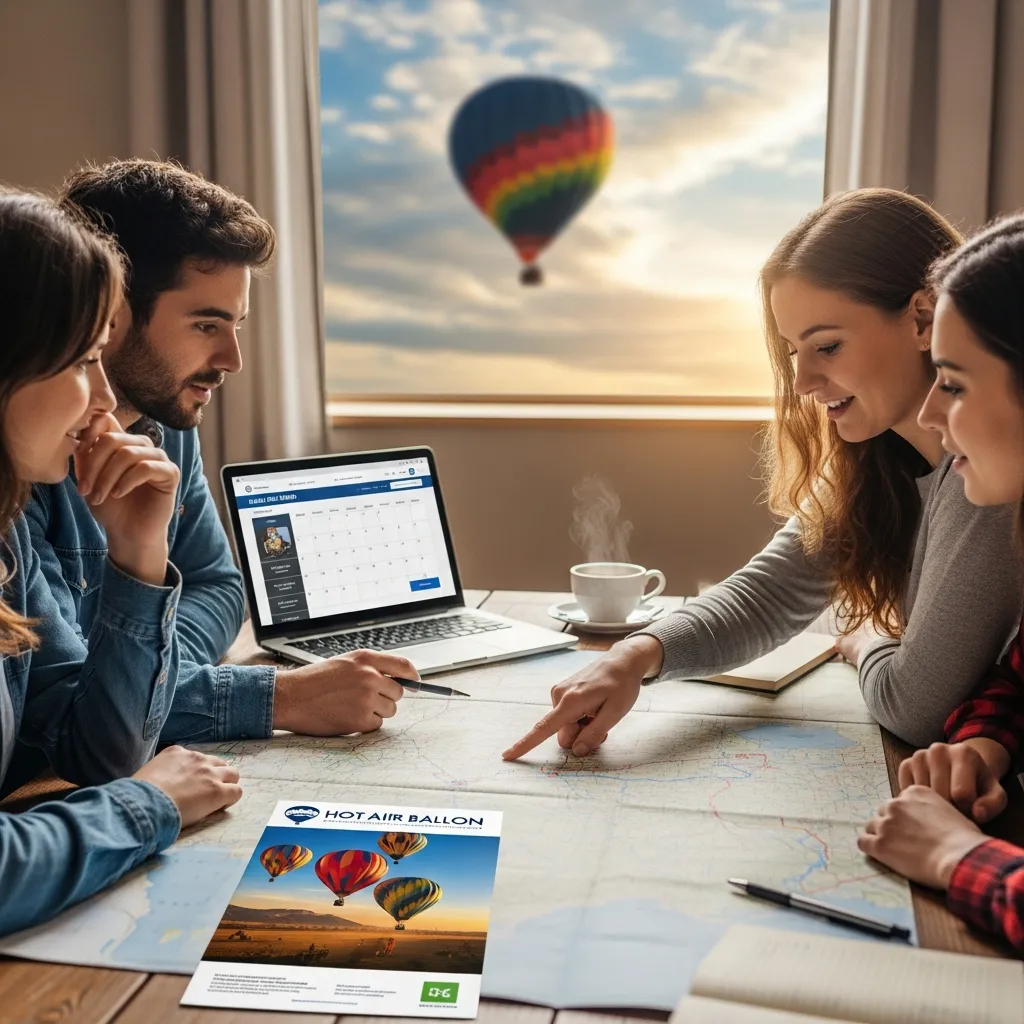
Securing a spot on a sought-after balloon excursion requires early planning—ideally three to six months ahead, especially during peak seasons. Begin by researching operators with strong safety ratings and transparent pricing. Online platforms often list customer reviews and pilot credentials; cross-reference these with aviation authority registries for complete assurance. Many companies now offer flexible cancellation policies this year, accommodating weather-related changes without penalty.
Key considerations when booking include basket size—private experiences typically accommodate up to four passengers, while shared baskets hold eight to twelve. Discuss inclusions like hotel pickups, breakfast spreads, and post-flight champagne or juice toasts. Confirm weight restrictions in advance, as accurate passenger weight helps pilots maintain balanced flights and adhere to safety protocols.
Weather plays an outsized role in your experience. Pilots consult detailed forecasts focusing on wind speed, visibility, and cloud cover, launching only under strict conditions to guarantee safety. Stay in touch with your operator via email or messaging apps in the days leading up to your flight for real-time updates. If delays occur, flexible itineraries often include alternative launch windows or full refunds, allowing you to approach your adventure with confidence.

Hot air ballooning remains one of the most enchanting ways to experience our planet’s beauty. From understanding its historic roots and aeronautical science to selecting the perfect launch site, careful preparation transforms the adventure from dream to reality. By choosing a reputable operator, respecting weather guidelines, and packing the right gear, you ensure both safety and enjoyment.
In today’s ever-evolving travel landscape, this aerial odyssey offers calm, perspective, and photographic potential unlike any other. Whether you drift above ancient temples, rolling vineyards, or golden savannas, the memory of floating above the world will stay with you long after the burner cools and the basket returns to earth. Embrace the magic—book your hot air ballooning journey today and see the world from an entirely new vantage point.