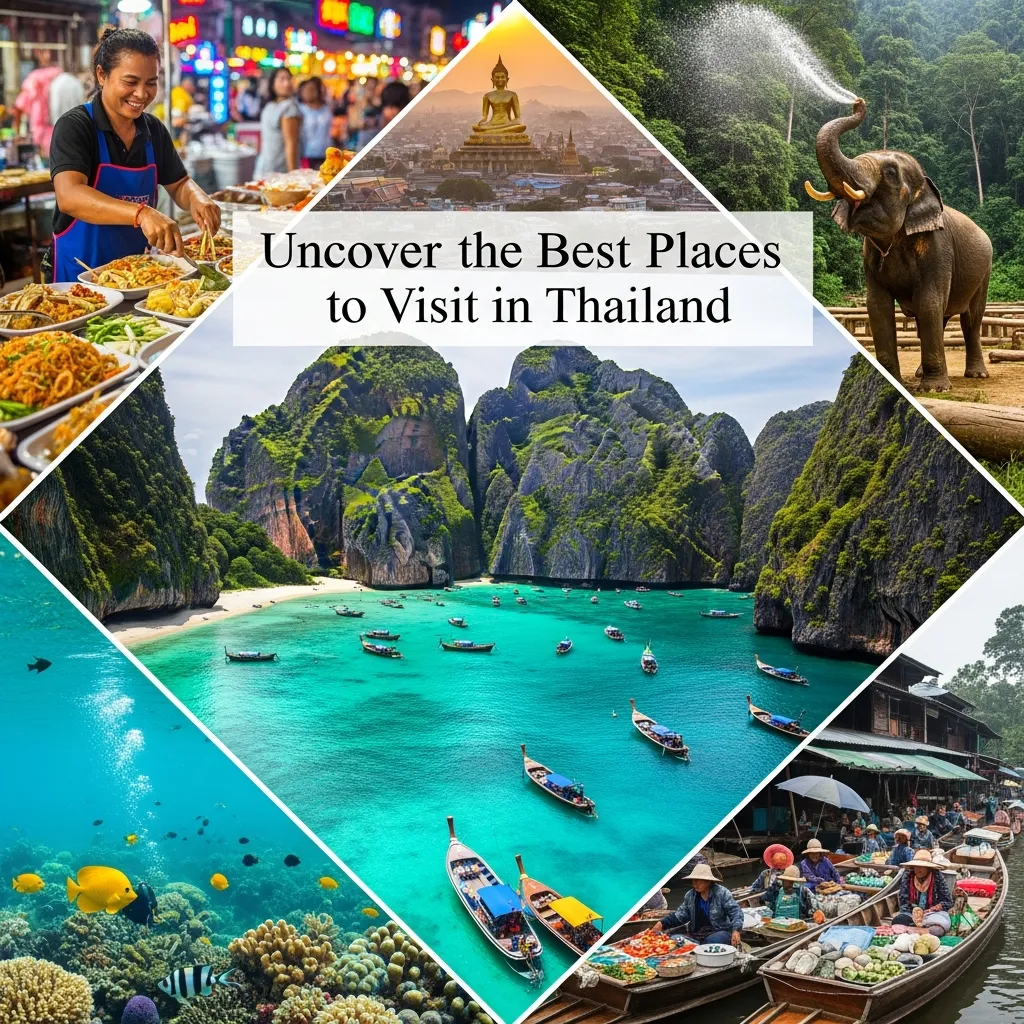
Golden temples shimmering under the sun, emerald waters gently lapping against limestone karsts, and bustling markets filled with the aroma of spicy street food. Thailand offers a sensory experience unlike any other destination. From the vibrant energy of its capital city to the tranquil mountain villages in the north, this Southeast Asian gem holds endless adventures for every type of traveler.
Finding the best places to visit in Thailand can feel overwhelming because there is simply so much to see. You can spend your days trekking through lush jungles, diving into crystal-clear oceans, or exploring the ruins of ancient empires. The country effortlessly blends rich cultural heritage with modern comforts, making it accessible and rewarding.
If you want to experience incredible food, welcoming locals, and breathtaking scenery, Thailand should be at the top of your travel list. This guide breaks down the best places to visit in Thailand, helping you build an itinerary that captures the true essence of the Land of Smiles.
A Short Summary of the Best Places to Visit in Thailand
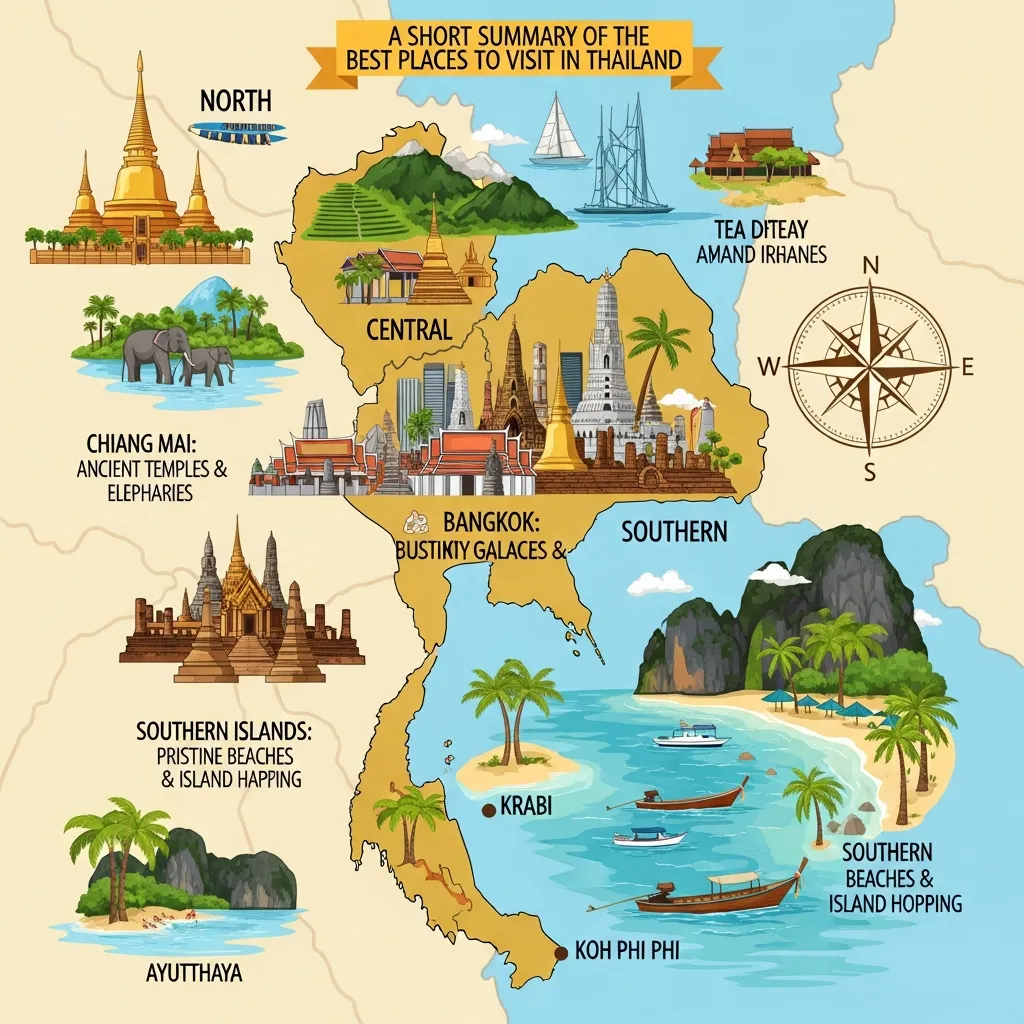
This comprehensive guide explores the best places to visit in Thailand, categorized by region to help you plan your journey. We start in the energetic capital of Bangkok, known for its grand temples and street food. Next, we head north to Chiang Mai and Chiang Rai to uncover rich cultural heritage and lush mountain landscapes. We then travel south to island paradises like Phuket, Krabi, and Koh Samui for pristine beaches and ocean adventures. Finally, we highlight historical ruins, culinary journeys, and essential travel tips to ensure a smooth trip.
Chapter 1: Bangkok – The Vibrant Capital
Bangkok serves as the starting point for most travelers, and it delivers an unforgettable introduction to the country. The city buzzes with energy at all hours. Towering skyscrapers stand alongside centuries-old temples, creating a unique urban landscape.
Must-Visit Attractions
The Grand Palace and Wat Phra Kaew (Temple of the Emerald Buddha) represent the historical heart of Bangkok. These spectacular complexes showcase intricate Thai architecture and deeply revered religious artifacts. Just across the Chao Phraya River sits Wat Arun, also known as the Temple of Dawn. Its towering spires are covered in colorful porcelain, making it a spectacular sight at sunset.
For shoppers, the Chatuchak Weekend Market is an absolute necessity. With over 15,000 stalls, you can find everything from vintage clothing to handmade crafts. As the sun sets, the city’s street food scene comes alive. Night markets offer a dizzying array of local dishes, providing a cheap and delicious way to taste the local cuisine.
Navigating the City
Exploring the Chao Phraya River by express boat or longtail boat offers a refreshing perspective of the city. To avoid the infamous Bangkok traffic, use the BTS Skytrain and MRT subway systems. Remember to dress modestly when visiting temples by covering your shoulders and knees.
Chapter 2: Northern Thailand – Cultural Riches and Natural Beauty
Leaving the capital behind, Northern Thailand offers a slower pace focused on nature, tradition, and artistry. This region is undoubtedly one of the best places to visit in Thailand for cultural immersion.
Chiang Mai: The Rose of the North
Chiang Mai sits nestled among lush mountains. The city is famous for Wat Phra That Doi Suthep, a stunning golden temple perched on a mountain overlooking the city. Exploring the Old City on foot reveals dozens of ancient temples hidden down quiet streets. Chiang Mai also serves as a hub for ethical elephant sanctuaries, where you can observe these gentle giants in a natural environment. Local cooking classes and artisan craft villages offer hands-on ways to connect with traditional Thai culture.
Chiang Rai: The Artful City
Further north, Chiang Rai boasts some of the country’s most unique architectural wonders. Wat Rong Khun, widely known as the White Temple, is a contemporary masterpiece filled with intricate carvings and unconventional murals. Contrast this with the Baan Dam (Black House) museum, a fascinating collection of dark, traditional buildings. The striking Blue Temple (Wat Rong Suea Ten) completes the city’s artistic trio.
Hill Tribes and Trekking
The mountainous terrain surrounding these cities provides excellent opportunities for trekking. Guided hikes often include visits to remote hill tribe villages, offering a glimpse into the diverse ethnic groups that call Northern Thailand home.
Chapter 3: Southern Thailand – Island Paradises and Pristine Beaches
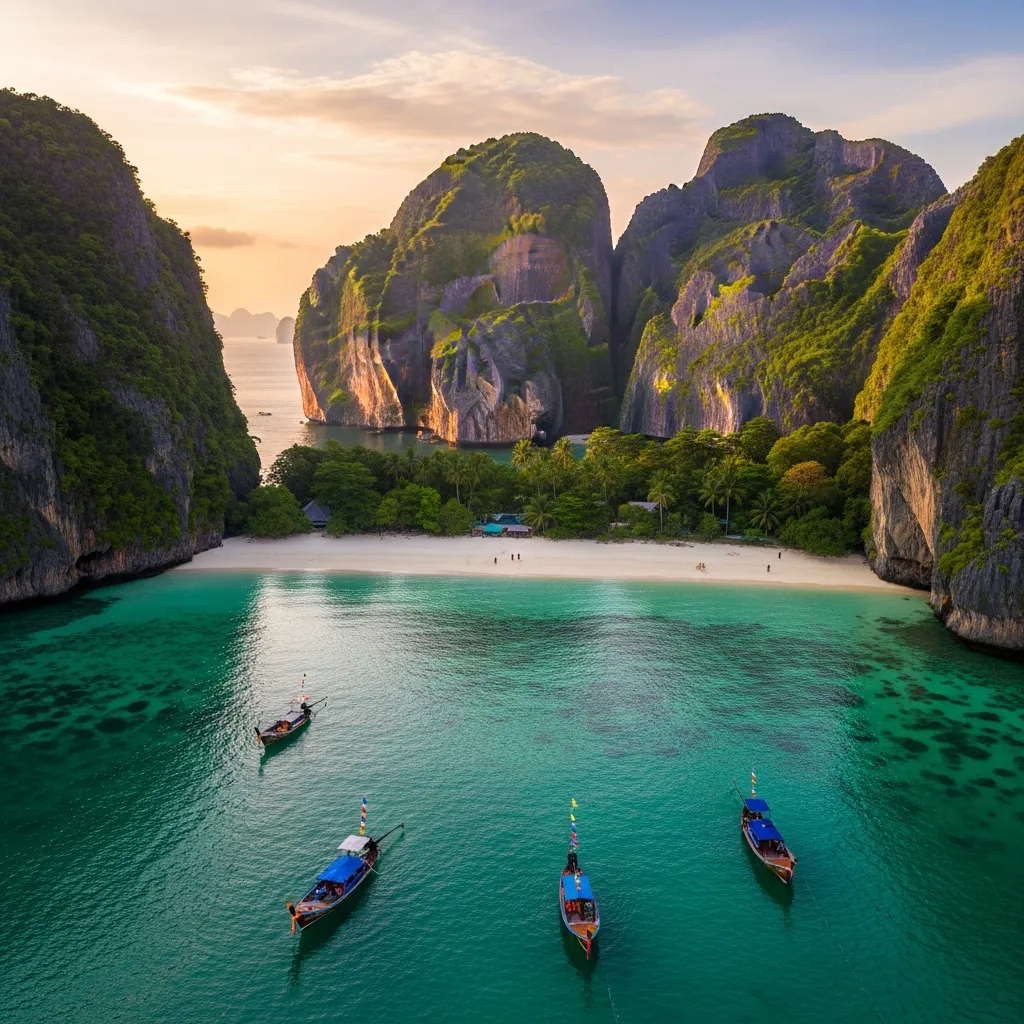
When people dream of tropical escapes, they picture Southern Thailand. The southern coastline features some of the best places to visit in Thailand for sun, sand, and sea.
Phuket: The Pearl of the Andaman
Phuket is Thailand’s largest island, offering a mix of vibrant nightlife and beautiful coastlines. Patong Beach attracts crowds looking for entertainment and parties. For a different vibe, explore Old Phuket Town, known for its colorful Sino-Portuguese architecture and quirky cafes. Phuket also serves as an excellent base for island-hopping tours to the stunning Phi Phi Islands and the iconic James Bond Island.
Krabi: Limestone Karsts and Emerald Waters
Krabi provides a more dramatic landscape with its towering limestone cliffs. Railay Beach, accessible only by boat, is a world-renowned destination for rock climbing and relaxing on pristine white sand. The popular Four Island Tour lets you snorkel and swim in crystal-clear waters. Inland, the Emerald Pool and natural hot springs offer a relaxing retreat hidden within the jungle.
The Gulf Islands: Koh Samui, Koh Phangan, and Koh Tao
On the eastern side of the peninsula, the Gulf Islands cater to diverse travel styles. Koh Phangan is famous globally for its energetic Full Moon Party. Neighboring Koh Tao is a premier destination for scuba diving and snorkeling, boasting vibrant coral reefs. Koh Samui offers a more upscale experience, featuring luxury resorts, wellness retreats, and family-friendly beaches.
For travelers seeking a tranquil escape away from the crowds, lesser-known islands like Koh Lanta and Koh Yao Noi provide quiet beaches and a laid-back atmosphere.
Chapter 4: Historical and Cultural Gems Beyond the Main Hubs
To truly appreciate Thailand’s history, you must explore beyond the beaches and major cities. The central plains hold the ruins of powerful ancient kingdoms.
The Ayutthaya Historical Park, located just north of Bangkok, was once the grand capital of Siam. Today, you can rent a bicycle and ride among the crumbling brick temples and giant Buddha statues. Further north lies the Sukhothai Historical Park, recognized as the birthplace of Thai art and architecture. The well-preserved ruins here are incredibly peaceful at sunrise.
In the west, Kanchanaburi offers a mix of poignant WWII history and natural beauty. You can walk across the famous Bridge over the River Kwai and learn about the region’s dark past. Afterward, take a trip to the Erawan Falls, a stunning seven-tiered waterfall where you can swim in emerald pools. Visiting these historical sites and traditional Thai villages provides a deeper understanding of local life.
Chapter 5: Culinary Journey Through Thailand
Food is central to Thai culture. A trip here is a culinary adventure, making the dining tables some of the best places to visit in Thailand.
Thai cuisine balances sweet, spicy, sour, and salty flavors. Regional specialties vary greatly. In the north, you must try Khao Soi, a rich coconut curry noodle soup. The northeast is famous for Som Tum (spicy papaya salad) and sticky rice. Southern food tends to be fiery, featuring dishes like Massaman Curry.
You can experience this incredible food anywhere, from humble street food carts to Michelin-starred fine dining restaurants in Bangkok. Street food is generally safe, delicious, and incredibly cheap. To bring the flavors home with you, sign up for a local cooking class. You will learn about essential ingredients like lemongrass, galangal, and fish sauce while preparing a feast.
Chapter 6: Practical Tips for Travelers
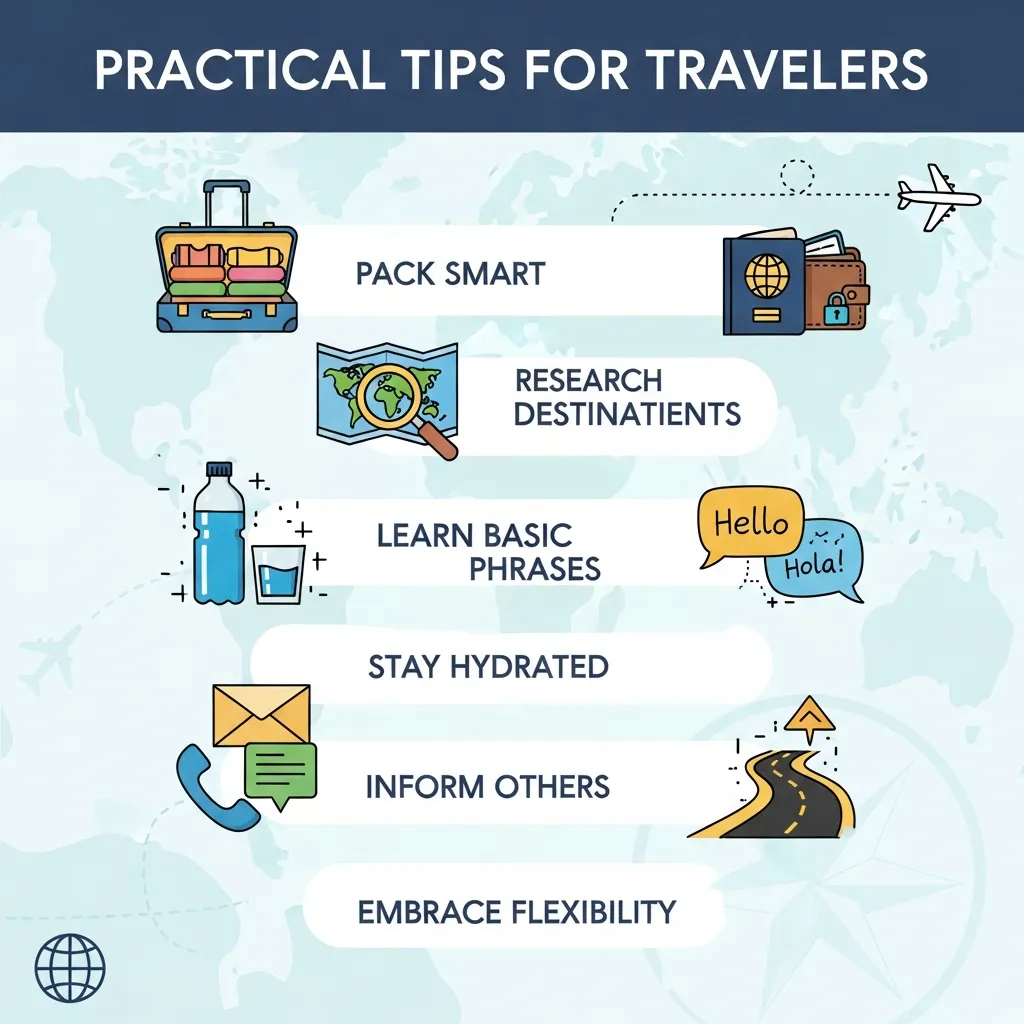
Planning a trip to the best places to visit in Thailand requires some practical preparation to ensure a smooth journey.
The best time to visit is during the cool, dry season between November and February. The weather is comfortable for exploring. Transportation within Thailand is highly efficient. You can use budget airlines for long distances, sleeper trains for a scenic experience, and buses or minivans for shorter regional trips.
Accommodation options cater to all budgets. You can easily find $10-a-night hostel beds, comfortable mid-range boutique hotels, and opulent luxury resorts.
Understanding cultural etiquette is crucial. Always remove your shoes before entering someone’s home or a temple. Avoid pointing your feet at people or religious objects, as feet are considered the lowest part of the body. Learning a few common phrases, like “hello” (Sawasdee) and “thank you” (Khop Khun), will earn you many smiles.
Drink bottled water, apply mosquito repellent, and ensure you have comprehensive travel insurance for health and safety. Finally, check your specific visa requirements before booking your flight, though many nationalities receive a visa exemption on arrival for short stays.
Plan Your Ultimate Thai Adventure
Thailand delivers an astonishing variety of experiences. You can lose yourself in the energetic alleys of Bangkok, find peace at a mountain temple in Chiang Mai, or swim alongside sea turtles in the Gulf of Thailand. The best places to visit in Thailand offer something unique for every traveler, blending rich history, mouth-watering food, and welcoming locals.
Take the time to explore different regions to fully appreciate the country’s diversity. As you build your itinerary and prepare your bags, you will quickly realize why this captivating nation consistently ranks among the Best Places to Visit in the World.
FAQs about the Best Places to Visit in Thailand
1. What are the absolute best places to visit in Thailand for a first-time traveler?
First-timers should include a mix of Bangkok for city life, Chiang Mai for culture, and an island like Phuket or Koh Samui for beaches.
2. How many days do I need to explore the best places to visit in Thailand?
A two-week itinerary is ideal. It allows you to spend a few days in Bangkok, head north for a week, and relax on the southern beaches for the remainder of your trip.
3. Is Thailand safe for solo female travelers?
Yes, Thailand is widely considered very safe for solo female travelers. Standard precautions, like watching your drinks and avoiding isolated areas at night, apply.
4. What are the best places to visit in Thailand for families?
Koh Samui and Phuket offer excellent family-friendly resorts. Chiang Mai is also great for families due to its elephant sanctuaries and interactive cultural activities.
5. Which island is the best to visit?
It depends on your interests. Koh Tao is best for diving, Koh Phangan for parties, Krabi for scenery and adventure, and Koh Lipe for a relaxed, remote vibe.
6. Do I need a visa to visit Thailand?
Many Western nationalities receive a 30-day visa exemption upon arrival by air. Always check the official Thai embassy website for the most up-to-date rules for your passport.
7. What is the best way to travel between cities?
Domestic flights are cheap and fast for long distances (like Bangkok to Phuket). Sleeper trains are a fun and comfortable option for traveling from Bangkok to Chiang Mai.
8. Are the street food stalls safe to eat at?
Yes, street food is a highlight of traveling in Thailand. Choose stalls that have a high turnover of local customers, ensuring the food is fresh.
9. What should I wear when visiting temples?
Both men and women must cover their shoulders and knees. Carry a sarong or lightweight scarf in your day bag to wrap around yourself before entering.
10. What are the best places to visit in Thailand for wildlife?
Khao Yai National Park is excellent for spotting wild elephants and gibbons. Chiang Mai is the hub for ethical elephant rescue sanctuaries.
11. Can I use my credit card everywhere?
Credit cards are accepted in large hotels, malls, and nice restaurants. However, Thailand operates heavily on cash, so always carry Thai Baht for markets, street food, and small vendors.
12. When is the rainy season, and should I avoid it?
The rainy season runs from July to October. While you will experience heavy downpours, they usually pass quickly. Travel is cheaper, and the landscapes are beautifully green during this time.