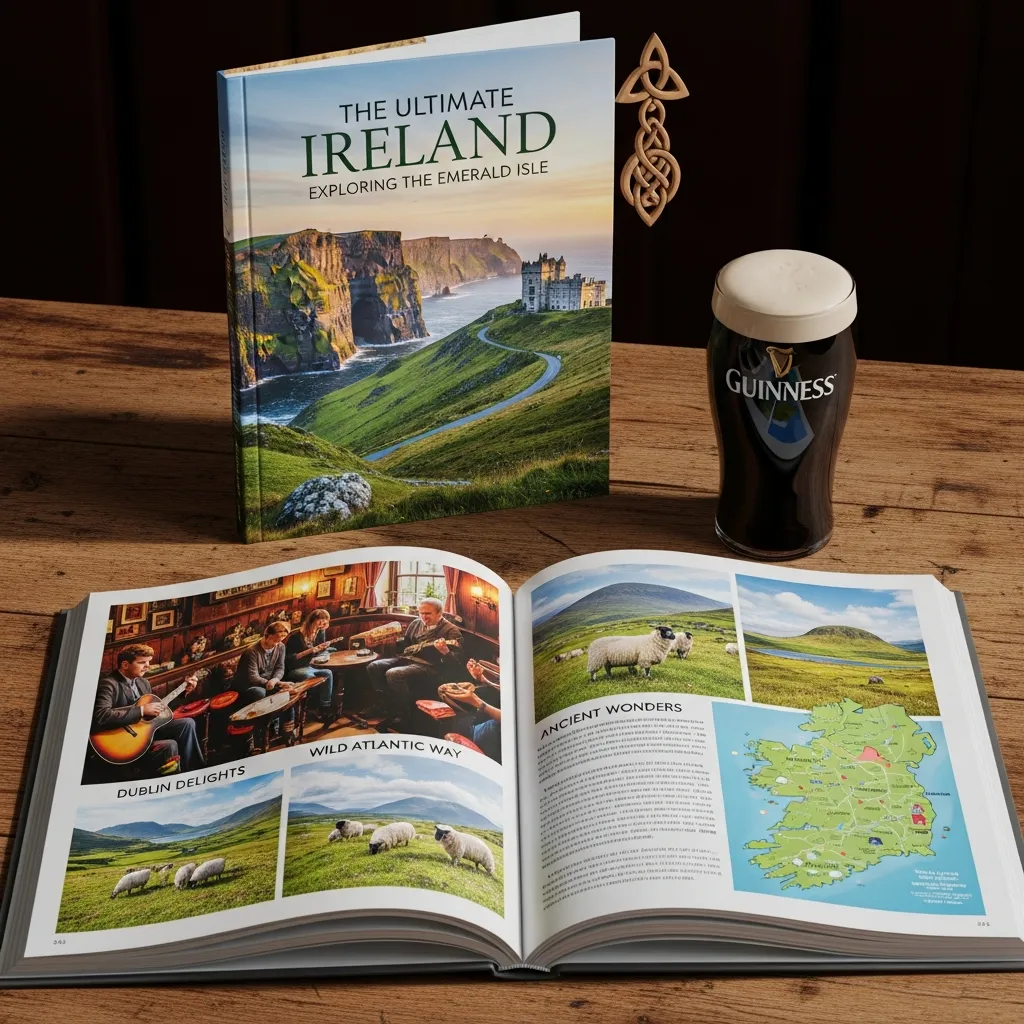
Discover the magic of the Emerald Isle with our comprehensive Ireland travel guide. From ancient castles to vibrant cities and breathtaking landscapes, this guide will help you plan an unforgettable trip to Ireland, covering everything from the best time to visit to essential packing tips and must-see attractions.
Rolling green hills, dramatic coastal cliffs, and cozy pubs filled with traditional folk music define the magic of the Emerald Isle. A trip here guarantees unforgettable memories, from wandering the historic streets of Dublin to feeling the ocean breeze along the Wild Atlantic Way. Because there is so much to see packed into a relatively small island, having a reliable Ireland travel guide is an absolute must.
Navigating the winding country roads and deciding which ancient castles to prioritize can quickly become overwhelming without proper planning. This Ireland travel guide is designed to remove the stress from your trip preparation. We will walk you through the essential logistics, highlight the absolute best regions to explore, and offer local secrets to enhance your journey.
By following this comprehensive Ireland travel guide, you will know exactly what to pack, how to get around, and where to find the perfect pint of Guinness. Let the adventure begin.
Planning Your Trip to Ireland
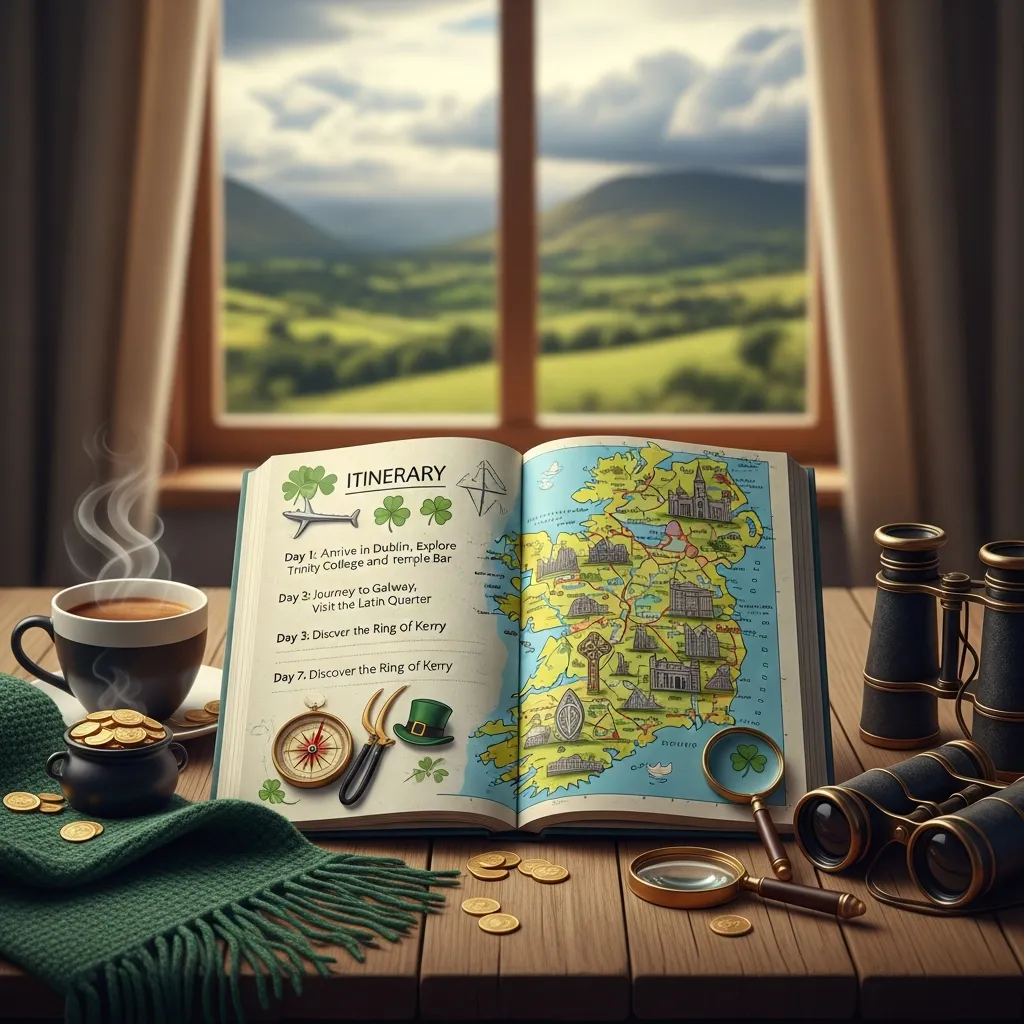
A successful vacation starts with proper preparation. This section of our Ireland travel guide covers everything you need to know before you touch down.
Best Time to Book Flights
Securing affordable airfare requires strategic timing. The Best Time to Book Flights to Dublin or Shannon is generally three to six months in advance. Prices spike significantly during the peak summer months and around St. Patrick’s Day. Set up price alerts on your favorite travel search engines early to catch unexpected price drops. Interestingly, if you are used to coordinating massive itineraries—like planning a Visit in India for Your Trip—you will find Ireland’s compact nature much easier to manage once you actually arrive.
When to Visit Ireland
Every Ireland travel guide will remind you that the weather here is famously unpredictable.
- Spring (March – May): Expect mild temperatures and fewer crowds, alongside beautiful blooming landscapes. Pack a rain jacket, as showers are frequent.
- Summer (June – August): The warmest and most popular time to visit. Days are incredibly long, with the sun setting past 10 PM, but you will face peak tourist crowds and higher prices.
- Autumn (September – November): A fantastic time to explore, featuring crisp air and autumnal colors. The crowds thin out, making it easier to book accommodations.
- Winter (December – February): Chilly and damp, with shorter daylight hours. However, you can enjoy roaring pub fires, festive holiday markets, and the lowest travel rates of the year.
Visa Requirements and Entry Information
Citizens of the US, Canada, Australia, and the EU typically do not need a visa for tourist visits under 90 days. Always double-check current entry requirements with the Irish embassy before booking your trip, as regulations occasionally shift.
Budgeting for Your Ireland Adventure
Ireland can be expensive, particularly in major hubs like Dublin. Budget travelers should expect to spend around €70-€100 per day by staying in hostels and cooking some meals. Mid-range travelers utilizing hotels, rental cars, and restaurant dining should budget €150-€250 per day. Luxury travelers can easily exceed €400 daily at castle hotels and fine dining establishments.
Essential Packing List for an Ireland Trip
No Ireland travel guide is complete without mentioning the concept of layering. Bring a waterproof, windproof jacket, comfortable walking shoes, and breathable layers. Sweaters are essential year-round. Don’t forget a universal travel adapter, as Ireland uses the three-pronged UK-style plug (Type G).
Getting Around: Transportation in Ireland
Traversing the country is part of the fun. Your Ireland travel guide recommends choosing the transport method that best fits your comfort level.
Renting a Car
Renting a car offers the ultimate freedom to explore hidden ruins and coastal viewpoints. Keep in mind that driving is on the left-hand side of the road. Many rental cars have manual transmissions; you must specifically request and pay a premium for an automatic. Rural roads can be extremely narrow, so consider renting a smaller vehicle to make maneuvering easier.
Public Transportation
If you prefer not to drive, Ireland offers an extensive public transportation network. Bus Éireann provides reliable service between most towns and cities. Irish Rail connects major hubs like Dublin, Cork, Galway, and Belfast. Ferries are also available for visiting the spectacular Aran Islands or hopping over to Great Britain.
Organized Tours
Organized tours are excellent for travelers with limited time. You can easily book day trips from Dublin to the Cliffs of Moher or the Giant’s Causeway. These tours eliminate the stress of navigating rural roads and usually include knowledgeable guides who share local folklore.
Regions of Ireland: What to Explore
Our Ireland travel guide divides the island into distinct regions, each offering a unique flavor of Irish culture.
Dublin & the East Coast
- Dublin City: Start at Trinity College to view the ancient Book of Kells. Enjoy a pint with a panoramic city view at the Guinness Storehouse, explore the historic Dublin Castle, and listen to live music in the bustling Temple Bar district.
- Wicklow Mountains: Known as the “Garden of Ireland,” this area offers gorgeous hiking trails and the stunning monastic settlement of Glendalough.
- Boyne Valley: Step back in time at Newgrange, a prehistoric monument older than the Egyptian pyramids, and wander the historic Hill of Tara.
The Wild Atlantic Way (West Coast)
- Cliffs of Moher & The Burren: These towering sea cliffs are a highlight of any Ireland travel guide. Nearby, the Burren offers a unique, rocky, lunar-like landscape.
- Galway City: The cultural heart of the west coast. Expect vibrant street performers, excellent seafood, and plenty of “craic” (fun).
- Connemara National Park: Discover rugged mountains, expansive bogs, and pristine lakes in this wild region.
- Ring of Kerry & Dingle Peninsula: Drive these spectacular coastal routes to witness some of the most dramatic ocean scenery in Europe.
Northern Ireland (A Separate Adventure)
- Belfast: Explore the incredible Titanic Belfast museum and take a Black Cab tour to see the city’s famous political murals.
- Giant’s Causeway: Marvel at the thousands of interlocking basalt columns created by ancient volcanic activity.
- Derry/Londonderry: Walk the remarkably preserved 17th-century city walls.
Ireland’s Ancient East
This region is filled with lush landscapes and centuries of history. Explore the medieval streets of Kilkenny, visit the impressive Rock of Cashel, and wander through charming towns steeped in local mythology.
Ireland’s Hidden Heartlands
Often overlooked by standard tourist itineraries, the heartlands offer serene lakes, the majestic River Shannon, and tranquil hiking routes. It is the perfect region for boating, fishing, and slowing down your travel pace.
Must-See Attractions and Experiences
To maximize your itinerary, this Ireland travel guide highlights the absolute best activities across the island.
Historical Sites
Kiss the Blarney Stone at Blarney Castle to gain the “gift of the gab,” or attend a medieval banquet at Bunratty Castle. The island is dotted with ancient monastic ruins, Celtic crosses, and imposing fortresses.
Natural Wonders
Beyond the coastal cliffs, explore the tranquil Lakes of Killarney, hike the rugged peaks of MacGillycuddy’s Reeks, and watch the waves crash against the Slieve League cliffs in Donegal.
Cultural Experiences
Spend an evening at a traditional Irish music session (“trad session”). These informal gatherings feature fiddles, tin whistles, and bodhráns (traditional drums), creating a lively, unforgettable atmosphere.
Accommodation Options in Ireland
Your Ireland travel guide provides lodging options to suit every budget and style.
Hotels, B&Bs, Guesthouses
For genuine local hospitality, book a family-run Bed & Breakfast. You will receive personalized recommendations and a massive, home-cooked morning meal. Luxury travelers should consider spending a night in one of Ireland’s restored castle hotels for a truly regal experience.
Self-Catering and Unique Stays
Rent a thatched-roof cottage in the countryside for a highly authentic stay. Glamping pods and eco-cabins are also becoming increasingly popular near national parks.
Hostels and Budget Options
Backpackers will find excellent, clean hostels in all major cities and towns. These are fantastic places to meet fellow travelers and find budget-friendly organized tours.
Food & Drink: A Taste of Ireland
Forget the stereotypes of bland boiling potatoes. Modern Irish cuisine is fresh, locally sourced, and highly innovative.
Traditional Irish Dishes
Start your day with a full Irish breakfast consisting of eggs, bacon, sausage, black and white pudding, mushrooms, and grilled tomatoes. For dinner, try a hearty Irish stew or a comforting plate of boxty (traditional potato pancakes).
The Pub Experience
An Irish pub is the community’s living room. It is a place to share stories, listen to music, and escape the rain. Pull up a stool, order a drink, and strike up a conversation with the person sitting next to you.
Whiskey and Guinness
Take a guided tour of the Jameson Distillery in Dublin or Midleton to learn about the triple-distillation process. And, of course, a pint of Guinness always tastes better on its home soil.
Safety and Local Etiquette
This Ireland travel guide emphasizes that Ireland is incredibly safe, but basic precautions apply.
General Safety Tips
Violent crime is rare. Simply watch out for pickpockets in crowded tourist areas like Temple Bar, and never leave valuables visible in your rental car when hiking.
Understanding Irish Culture and Customs
The Irish are famously warm and hospitable. Politeness goes a long way. “Please” and “thank you” are highly valued, and humor (often involving good-natured teasing) is a core part of social interaction.
Currency and Tipping
The Republic of Ireland uses the Euro (€), while Northern Ireland uses the British Pound (£). Tipping is not as mandatory as it is in North America. Leave 10-15% in restaurants for good service, but you do not need to tip the bartender for a poured pint.
Beyond the Main Tourist Spots: Hidden Gems
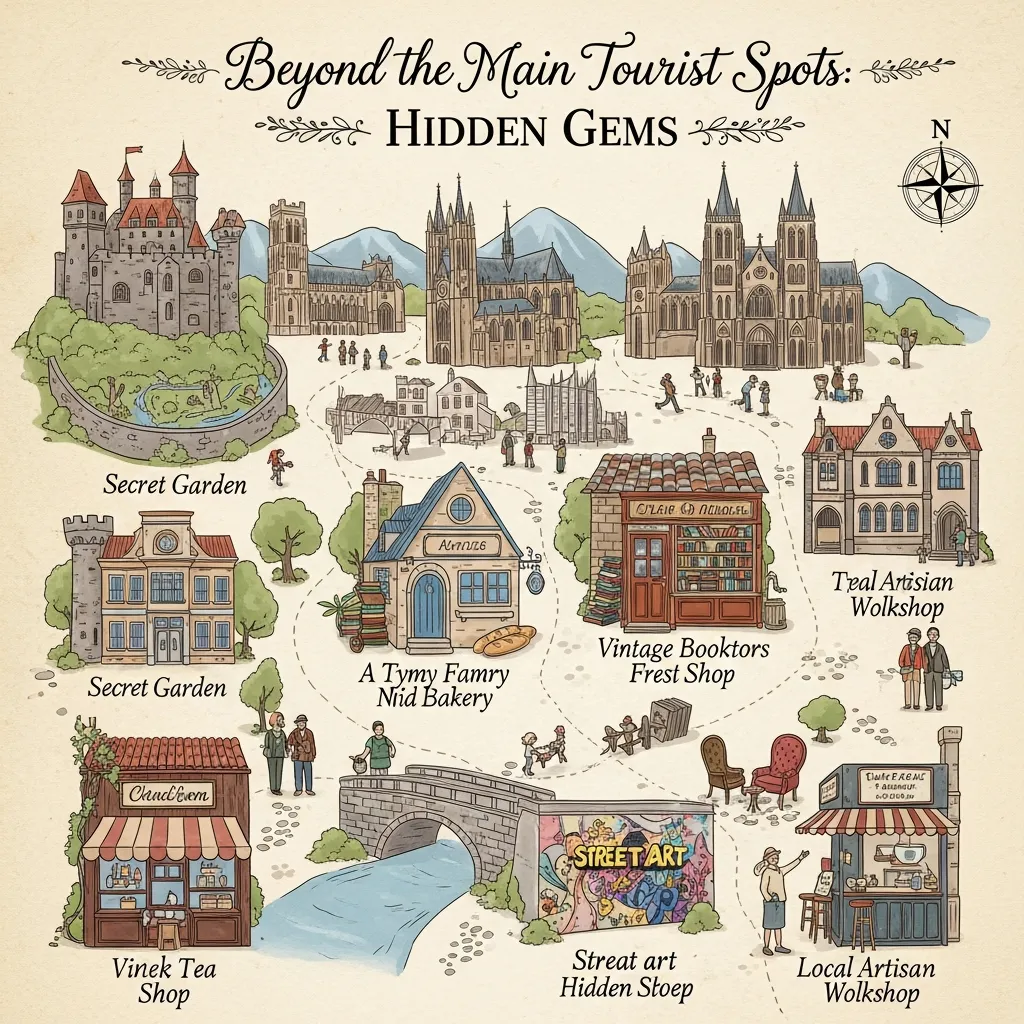
Take your Ireland travel guide off the beaten path. Visit the Slieve League cliffs in Donegal, which are significantly taller than the Cliffs of Moher but draw a fraction of the crowds. Explore the serene Beara Peninsula, or take a boat to the Skellig Islands, a dramatic monastic settlement rising out of the Atlantic Ocean.
Ready to Pack Your Bags?
Armed with this Ireland travel guide, you are fully prepared to navigate the winding roads, ancient ruins, and bustling pubs of the Emerald Isle. Take the time to finalize your itinerary, book those flight tickets, and purchase your rain gear. The magic, history, and warmth of Ireland are waiting to be discovered.
Frequently Asked Questions
1. Do I need a passport to travel from Dublin to Belfast?
There is no hard border between the Republic of Ireland and Northern Ireland. However, you should always carry your passport when crossing international boundaries, and remember that the currency changes from Euros to Pounds.
2. Can I rely solely on credit cards in Ireland?
Visa and Mastercard are widely accepted in cities and large towns. However, you should carry some cash (Euros) for small purchases in rural villages, rural pubs, and on local buses.
3. What is the emergency phone number in Ireland?
Dial 112 or 999 for police, fire, or medical emergencies. Both numbers work across the Republic of Ireland and Northern Ireland.
4. Is the water safe to drink?
Yes, tap water is completely safe to drink across the entire island. Bring a reusable water bottle to reduce plastic waste during your travels.
5. How many days do I need to see Ireland?
While you can see Dublin in a weekend, an ideal Ireland travel guide itinerary requires 7 to 10 days to comfortably explore the capital, the southern coast, and the Wild Atlantic Way.
6. Will my cell phone work in Ireland?
Check with your provider about international roaming plans. Alternatively, purchase a local prepaid SIM card at the airport upon arrival for cheap data and local calls.
7. What is a “trad session”?
A trad session is an informal gathering of musicians playing traditional Irish music in a pub. They are usually free to watch and offer a fantastic glimpse into local culture.
8. Are there tolls on Irish roads?
Yes, several major motorways have tolls. Most have cash and card booths, but the M50 around Dublin is barrier-free; you must pay the toll online or at a designated pay station by 8 PM the following day.
9. What should I do if it rains constantly?
Embrace it! The rain is what makes the island so green. Pack waterproof gear, plan indoor activities like museum visits or distillery tours, and spend cozy afternoons in the pub.
10. Do they speak English in Ireland?
Yes, English is the primary language. You will also see signs in Irish (Gaeilge), and you may hear it spoken natively in designated regions known as the Gaeltacht, particularly on the west coast.
11. Can I visit the Skellig Islands year-round?
No. Boat tours to Skellig Michael only operate from mid-May to early October, heavily depending on weather and sea conditions. Book well in advance.
12. Are there ride-sharing apps in Ireland?
Uber exists in Ireland, but it is regulated differently; it only connects you with licensed taxis and limousines. The “Free Now” app is widely used by locals to hail licensed taxis.